

In the intricate fabric of modern enterprises, where data reigns as the new sovereign, Storage Area Network (SAN) stand as the fortress, the guardian of untold digital treasures. But like all bastions, SAN storage is not impervious to change. It's evolving, adapting to the dynamic needs of digital businesses, shaping the future of data management in unprecedented ways.
This blog post dives into the fascinating evolution of SAN storage, exploring the trends and innovations that are rewriting the rules of data storage and management. For IT professionals, storage administrators, and tech enthusiasts, this is a rundown of what's shaping the future of data storage, retrieval, and security.
The SAN Storage Genesis
Before we venture into the trends, it's essential to revisit the origins of SAN storage. SAN technology spearheaded the transition from direct-attached storage (DAS) to a more robust, scalable, and centralized platform. This paradigm shift brought about a fundamental change in how data was stored, accessed, and managed in the enterprise landscape.
The initial adoption of SAN storage was primarily driven by its capability to decouple storage resources from the server, leading to enhanced flexibility, improved resource utilization, and a centralized platform for easier management and monitoring. It revolutionized the IT infrastructure, laying the groundwork for the massive data transaction volumes seen in today's business operations.
Now, armed with this historical context, we can dissect how SAN has evolved and what it heralds for the future.
Trends in SAN Storage Evolution
Flash Forward to Speed
One of the most revolutionary trends that have spurred the evolution of SAN storage is the emergence of flash-based storage solutions. Flash technology shatters the traditional HDD bottlenecks, providing incomparable speed and performance. Enterprises have witnessed a seismic shift from slow mechanical hard drives to lightning-fast flash drives, drastically reducing latency and improving the user experience.
Furthermore, the falling prices and increased capacities of flash storage have made it more accessible, fueling its adoption across various enterprise segments. In essence, flash technology has redefined the performance benchmarks for SAN storage, catalyzing the development of high-frequency trading systems, real-time data analytics, and other latency-sensitive applications.
Software-Defined Storage
The concept of Software-Defined Storage (SDS) is another pivotal trend reshaping SAN technology. By separating software from the underlying hardware, SDS enables the creation of dynamic, highly automated storage systems that can be provisioned, managed, and scaled independently from the physical storage arrays.
This decoupling not only increases agility but also significantly lowers the TCO (Total Cost of Ownership) by leveraging commodity hardware and reducing vendor lock-in. Manufacturers are now offering SAN solutions with SDS architectures, underpinning the movement to more flexible and cost-effective data management strategies.
Convergence with Hyperconvergence
The advent of Hyperconverged Infrastructure (HCI) has been a game-changer, blurring the lines between compute, storage, and networking technologies. By consolidating these components into a single, software-centric architecture, HCI has simplified data center operations, accelerated deployment times, and increased scalability.
SAN storage has found its place in hyperconverged systems, enabling enterprises to scale their storage independently from the compute resources. This convergence trend has led to the creation of more compact, agile, and cost-efficient infrastructure, with implications for edge computing, hybrid cloud setups, and data center transformations.
NVMe over Fabrics (NVMe-oF)
NVMe (Non-Volatile Memory Express) over Fabrics is a relatively new protocol that extends the NVMe command set from PCIe connections to Ethernet, enabling low-latency, high-throughput access to storage systems over local or wide-area networks. This innovation is significant as it allows for the integration of NVMe SSDs into SAN environments, maintaining consistent performance across the storage fabric.
NVMe-oF promises to unlock the full potential of flash storage and provide a robust foundation for next-gen applications like AI/ML, IoT, and high-performance computing. The technology is currently in the early adoption phase but is poised to become mainstream, offering a glimpse into a future where SAN storage is synonymous with speed and responsiveness.
The Impact on Data Management
The confluence of these trends has had a profound impact on data management strategies within enterprises. Organizations are now able to store, process, and analyze vast amounts of data more efficiently than ever before, leading to insights that drive innovation, customer satisfaction, and competitive advantage.
Scalability and Flexibility
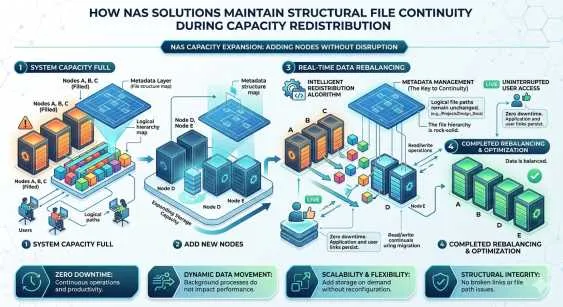
SAN storage solutions are becoming more scalable and flexible, thanks in part to the advent of flash technology, SDS, and hyperconvergence. Enterprises can now add storage capacity and computing power in a more granular and seamless manner, adapting quickly to fluctuating workloads and business requirements.
The implications on data management are clear — the ability to scale storage resources on-demand means that enterprises can maintain performance levels as they grow, without compromising on speed or security. This flexibility is crucial in the management of the explosive data growth that the digital era has brought forth.
Improved Data Accessibility and Security
With SAN's evolution, data accessibility has taken a leap forward. Enterprises can now tailor access controls and security features in a more granular manner, protecting sensitive data while ensuring that the right stakeholders have swift, secure access.
Furthermore, the improved performance and low latency offered by modern SAN solutions mean faster data retrieval and application responsiveness, equipping businesses with the agility necessary to respond to customer demands in real-time.
Enhanced Disaster Recovery and Business Continuity
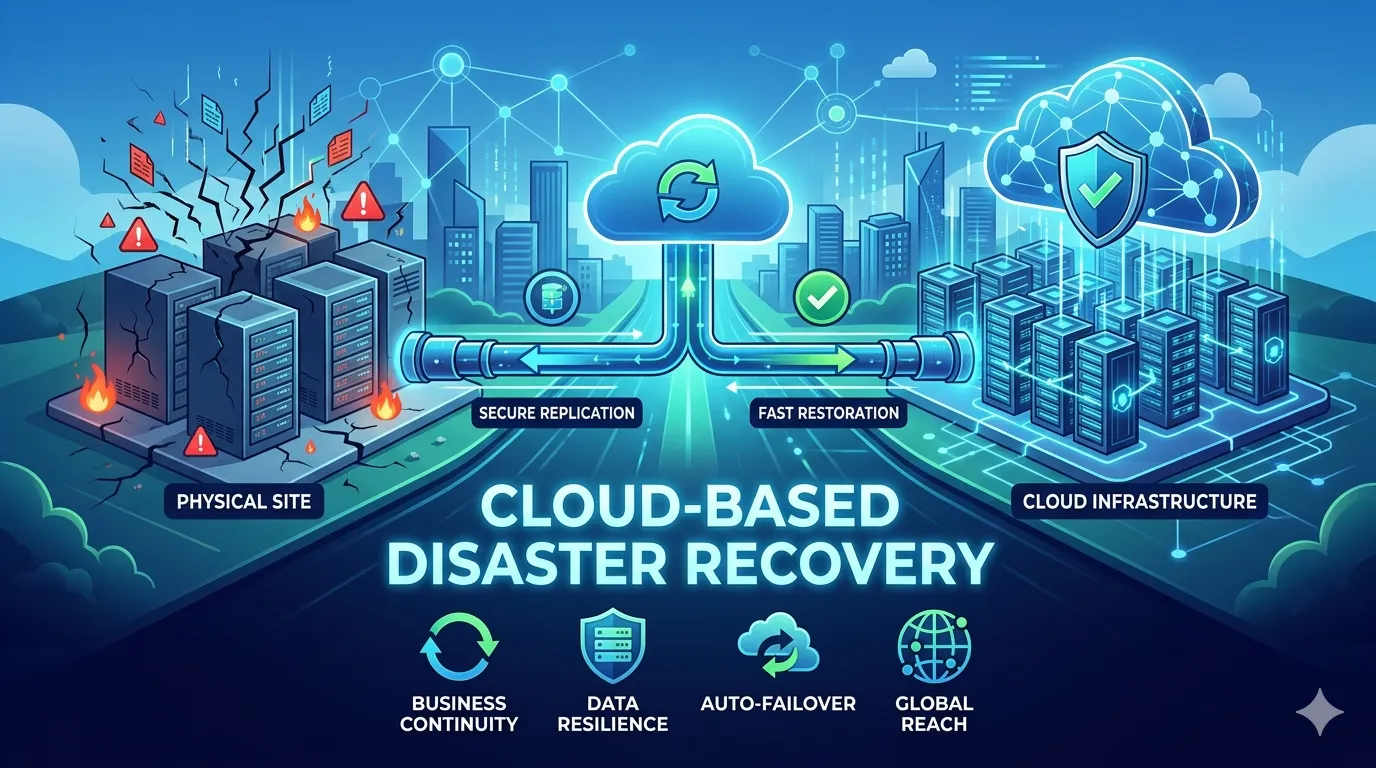
The advancements in SAN technology have dramatically enhanced disaster recovery and business continuity capabilities. Leveraging features like snapshotting, replication, and automation, enterprises are now better equipped to handle catastrophic data loss events.
SAN storage's role in ensuring data integrity and providing reliable recovery mechanisms cannot be overstated. The ability to create redundant and failover-ready data storage environments is a core tenet of modern data management strategies, critical to maintain operations in the face of adversity.
Looking to the Horizon: The Future of SAN Storage
San storage technologies continue to march forward, but what does the future hold for this stalwart of storage solutions? One thing is certain — the relentless innovation driving the evolution of SAN storage will continue. Here are a few directions in which this technology might evolve.
NVMe over Fabrics Standardization and Adoption
NVMe over Fabrics is set to become one of the primary access methods for connecting storage at the block level. Industry standardization efforts and the increase in compatible devices will accelerate its adoption, paving the way for a more interconnected and responsive storage ecosystem.
Organizations will benefit from improved storage networking, enabling larger-scale deployments with lower overhead and higher performance. The implications for data storage and processing, particularly in terms of the emerging edge and 5G environments, are immense.
Quantum Leap in Storage Technologies
The quest for larger, faster, and more durable storage mediums is an ongoing one. Emerging technologies like holographic storage, DNA storage, and quantum storage could see inroads into the enterprise world, offering unprecedented storage densities and longevity.
Although these technologies are currently in the experimental phase, their potential to redefine data storage is enormous. SAN storage, being the backbone of enterprise data management, will likely be at the forefront of adopting these revolutionary storage mediums.
AI and Automation Integration
Intelligent storage systems, empowered by AI and machine learning algorithms, will play a central role in the future of SAN storage. Predictive analytics will optimize storage performance, while AI-driven automation will handle routine tasks, freeing up human resources for more strategic initiatives.
The self-optimizing and self-healing capabilities of AI-infused SAN solutions will usher in an era of even greater reliability and efficiency. Enterprises will be able to leverage their data assets more effectively, gaining competitive advantages through smarter, more autonomous storage infrastructures.
Sustainability and Green Storage
The environmental impact of data centers and storage solutions is an increasingly pressing concern. The future of SAN storage will see a continued focus on sustainability, with efforts to reduce power consumption and carbon footprint.
Green storage initiatives will become more prevalent, leveraging techniques such as data deduplication, compression, and power-efficient hardware to deliver effective yet environmentally friendly data management solutions.
Conclusion
The evolution of SAN storage is a compelling narrative of innovation, resilience, and adaptability. From its humble beginnings to the robust, high-performance systems of today, SAN storage has continually reinvented itself to meet the demanding needs of data-driven enterprises.
As we trek further into the digital frontier, it is clear that SAN storage solution will remain one of the cornerstones of enterprise data management. With the trends and innovations shaping its trajectory, SAN storage is not just keeping pace with the data revolution—it's leading the charge towards a future where storage is as agile, intelligent, and dynamic as the data it hosts.


























Sign in to leave a comment.