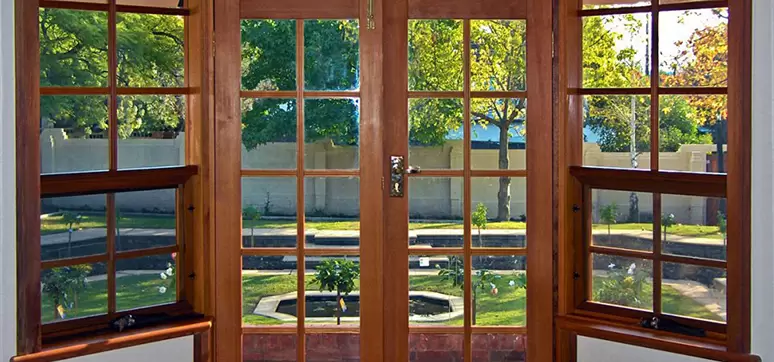

When homeowners begin exploring new windows, one of the most important—yet often confusing—topics is energy performance.
Across Canada’s diverse climate zones, choosing the right windows isn’t just about aesthetics; it’s about comfort, efficiency, cost savings, and long-term home protection.
That’s where standardized energy ratings come in.
Canada uses some of the most rigorous window performance standards in the world. These include guidelines developed by:
- CSA (Canadian Standards Association)
- NAFS (North American Fenestration Standard)
- NRCan (Natural Resources Canada)
- ENERGY STAR® Canada
Understanding these standards empowers homeowners to choose windows that maintain warmth during snowy winters, protect against condensation, and reduce energy bills year-round.
This article breaks down the key components of Canadian window energy ratings—written in clear, homeowner-friendly language—so you can confidently select high-performance windows for your home.
1. Why Window Energy Ratings Matter in Canada
Canada’s climate varies significantly—from the wet coastal weather of British Columbia to the frigid winters of the Prairies and the humid summers of Ontario.
Because of this, energy-efficient windows are not just recommended—they're essential.
Energy-rated windows help:
- Reduce heat loss during winter
- Maintain comfortable indoor temperatures
- Lower annual energy costs
- Limit condensation and moisture problems
- Improve long-term property value
Many homeowners searching for top quality windows in Canada rely on these ratings to separate durable, high-performance windows from low-efficiency alternatives.
2. CSA Ratings: Ensuring Safety and Performance
The Canadian Standards Association (CSA) provides guidelines that ensure windows meet structural and energy-efficiency requirements.
These ratings assess how well a window performs under real-world conditions—especially in regions with strong winds, heavy rainfall, and fluctuating temperatures.
CSA ratings measure performance in three primary areas:
• A – Air Tightness
Rates how well a window prevents air leaks. A tighter seal means better insulation and improved energy efficiency.
• B – Water Tightness
Determines a window’s ability to stop water from leaking into the home during heavy rain.
• C – Wind Load Resistance
Evaluates structural strength and stability under strong wind pressure.
Homes in coastal or high-wind regions, such as Atlantic Canada or Vancouver Island, especially benefit from windows with high CSA ratings.
3. NAFS Compliance: A North American Standard
The North American Fenestration Standard (NAFS) is a continental standard used in Canada, the United States, and Mexico. It provides a uniform method of testing windows and doors for performance and safety.
NAFS evaluates:
- Structural strength
- Air leakage
- Water penetration
- Forced-entry resistance
- Component durability over time
To ensure accuracy, NAFS assigns windows a Performance Grade (PG) number.
A higher PG number indicates superior performance, making it ideal for homes facing harsh weather patterns or multi-story buildings exposed to wind.
Builders and architects in Canada increasingly rely on NAFS ratings to meet provincial building codes and energy requirements.
4. Understanding the ENERGY STAR® Climate Zones
Natural Resources Canada created ENERGY STAR® climate zones to guide homeowners toward suitable window choices for their region.
Canada is divided into zones based on temperature extremes. While the system has evolved over time, the purpose remains the same: ensure homeowners choose windows suited to their climate.
ENERGY STAR® windows offer:
- Lower U-factors (better insulation)
- Low-E coatings for UV and heat control
- Gas-filled panes for enhanced thermal performance
- Reduced heat transfer across all seasons
ENERGY STAR® windows may cost more upfront but typically reduce energy waste more effectively than non-rated windows.
5. Key Performance Ratings to Look For
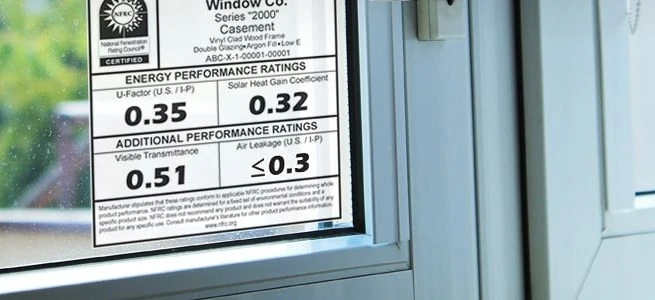
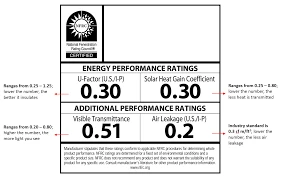
When shopping for new windows, several specific energy metrics help evaluate overall performance.
• U-Factor
Measures how easily heat escapes through a window. Lower = better (ideal for cold Canadian winters).
• Solar Heat Gain Coefficient (SHGC)
Indicates how much solar heat enters through the glass. Higher SHGC is beneficial in cold regions, while lower SHGC helps keep hot climates cooler.
• Energy Rating (ER)
A Canadian calculation that combines U-factor, SHGC, and airtightness into a single number. Higher ER = more energy-efficient window.
• Visible Transmittance (VT)
Shows how much natural light passes through. A high VT brightens interiors but must be balanced with insulation needs.
Understanding these metrics helps homeowners compare models and select the best option for their lifestyle and region.
6. Why High-Efficiency Windows Save Money
Energy-efficient windows may require an initial investment, but they quickly pay for themselves.
Canadians in colder provinces often see substantial reductions in heating bills after upgrading to modern, energy-rated windows.
Savings come from:
- Reduced heat loss
- Fewer drafts
- Minimized reliance on HVAC systems
- Lower air-conditioning costs in summer
- Improved overall insulation
Over time, the long-term savings typically outweigh the cost difference between high-performance and standard windows.
7. Professional Installation Matters
Even the most advanced window is ineffective without proper installation. Poorly installed windows can leak air, lose energy efficiency, and cause long-term moisture damage inside the home.
Certified installers ensure:
- Proper flashing and sealing
- Accurate fit and alignment
- Adequate insulation and caulking
- Compliance with building codes and manufacturer standards
For homeowners investing in high-performance windows, professional installation is essential to achieving maximum benefits.
8. How Energy Ratings Influence Home Value
Energy-efficient windows increase home value by improving:
- Curb appeal
- Indoor comfort
- Long-term durability
- Energy savings
- Environmental responsibility
Buyers today expect homes with modern, insulated windows that meet current building standards. High-rated windows are a strong selling point in real estate listings.
Conclusion
Understanding window energy ratings is key to making smart, long-lasting home improvement decisions. CSA and NAFS standards ensure windows perform reliably in Canada’s diverse climates, while ENERGY STAR® certifications guide homeowners toward efficient, well-insulated products.
By learning how U-factors, SHGC values, air-tightness ratings, and energy scores work together, you can confidently choose windows that deliver comfort, efficiency, and long-term performance.
Energy-rated windows aren’t just a wise investment—they’re essential for creating a warm, efficient, and resilient home anywhere in Canada.




























Sign in to leave a comment.