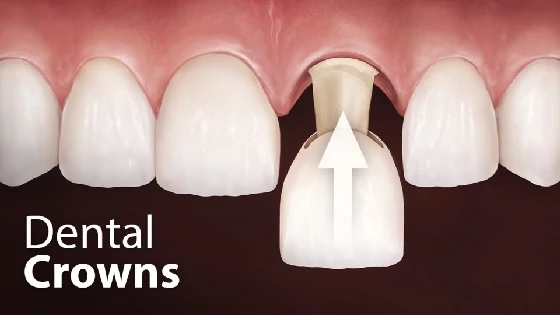

Restoring the health and function of a damaged tooth often requires more than a simple filling or cleaning. In many cases, dentists turn to a solution known as a Crown Dental Treatment. This type of procedure has become one of the most effective and commonly used methods for repairing teeth that have suffered from significant decay, trauma, or wear. Dental crowns not only reinforce the strength of a compromised tooth but also restore its shape, appearance, and function.
Understanding the purpose, process, and variations of this treatment can help individuals make more informed decisions when discussing their dental care options with a professional. Whether you're exploring it for cosmetic reasons or as part of a restorative plan, it's helpful to know what to expect.
Why Crowns Are Used in Dentistry
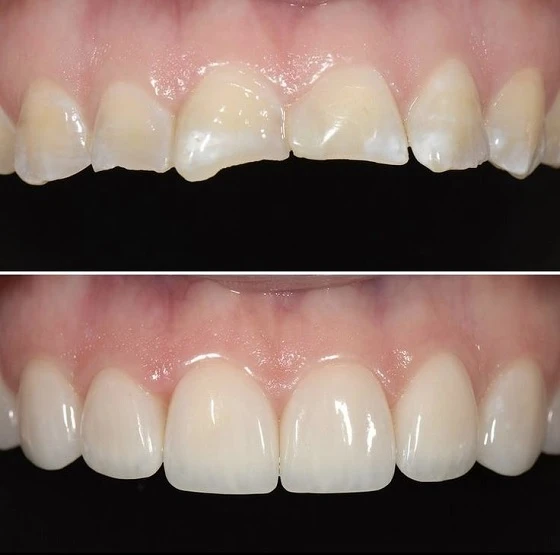
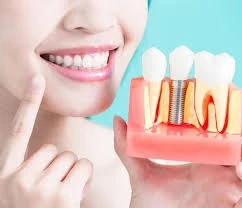
Dental crowns are used to treat a range of issues. They can cover a tooth that has a large filling when there isn’t much natural tooth left, restore a broken tooth, protect a tooth after a root canal, or improve the look of a discolored or poorly shaped tooth. For people who have had dental implants, crowns are often the final step in the restoration process, providing a lifelike appearance and functionality.
Dentists may also recommend crowns for patients with weakened teeth due to grinding or age-related wear. In cases where the enamel is extensively eroded or the structure of a tooth has been compromised, a crown can offer much-needed reinforcement and long-term stability.
Materials Commonly Used for Crowns
The choice of material used in a crown can significantly affect its appearance, strength, and durability. Some patients prefer a natural look, while others prioritize strength for back teeth.
Porcelain and ceramic crowns are often chosen for their ability to match the color of natural teeth, making them ideal for front-facing restorations. Metal crowns, including gold or alloys, are extremely strong and long-lasting but are typically reserved for molars due to their visibility. A popular hybrid is the porcelain-fused-to-metal crown, which blends strength and aesthetics but may show a dark line over time near the gumline. More recently, zirconia crowns have become common thanks to their durability and ability to be milled using advanced digital systems.
The Crown Procedure from Start to Finish
Getting a crown is a process that usually requires two visits. During the first visit, the dentist will examine the affected tooth, take necessary imaging such as X-rays, and shape the tooth to make room for the crown. A temporary crown is placed while the permanent one is being crafted in a lab.
Once the permanent crown is ready, the patient returns for a second appointment where the temporary crown is removed, and the new one is fitted. The dentist checks for alignment, bite, and color before securing it with dental cement. This approach ensures that the final result looks and feels natural.
Same-Day Crown Options
Some dental clinics now offer same-day crowns using CAD/CAM (Computer-Aided Design and Manufacturing) technology. With this option, a 3D scan of the patient’s tooth is created, and a crown is milled on-site within hours. This eliminates the need for temporary crowns and a follow-up visit. While not available everywhere, same-day crowns are growing in popularity due to their convenience and efficiency.
Life After Getting a Crown
Adjusting to a new crown typically takes only a few days. Initially, there might be some sensitivity, especially to temperature changes or pressure while biting. This discomfort is temporary and usually resolves on its own. Dentists often recommend avoiding very sticky or hard foods for a short period following placement.
Proper care of a crown includes maintaining excellent oral hygiene and visiting the dentist regularly for checkups. Crowns do not require special treatment beyond routine brushing and flossing, but it's important to keep the gum area around the crown clean to prevent decay or gum disease from developing.
How Long Dental Crowns Last
The longevity of a crown depends on the material used and the patient’s oral habits. On average, a crown can last between 10 to 15 years. With proper care, it is possible for crowns to remain in good condition for over two decades.
Patients who grind their teeth at night may be advised to use a nightguard to protect their crowns. Regular dental checkups allow early identification of any wear, fracture, or loosening of the crown. Replacing a crown is typically straightforward, especially when caught early.
Potential Concerns and Limitations
While crowns are reliable, they are not without limitations. In some cases, a crown may become loose due to decay underneath or failure of the bonding material. This can usually be addressed with professional care. Another concern may involve the aesthetics over time. For example, porcelain-fused-to-metal crowns might show a gray line if the gums recede.
In rare cases, patients may develop an allergic reaction to certain metals used in the crown. Discussing material options with your dentist beforehand can help prevent this.
Alternatives to Crowns
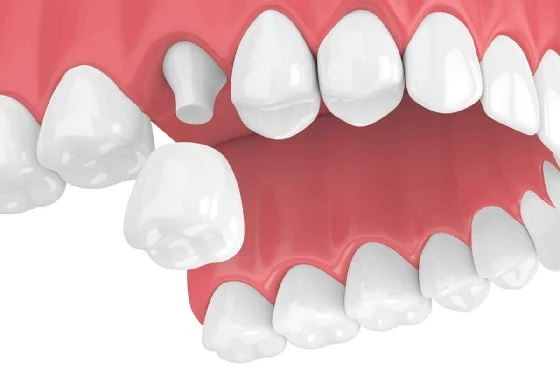
Although crown dental treatment is often the preferred method for restoring severely damaged teeth, it isn’t the only option. Inlays, onlays, and veneers may be recommended in less severe cases. Inlays and onlays cover part of the tooth and are often used when the damage is too great for a filling but not extensive enough to require a full crown.
Veneers are more cosmetic in nature and are typically used for front teeth to improve appearance rather than function. In situations where a tooth cannot be saved, extraction followed by a bridge or dental implant may be necessary.
Cost Considerations and Insurance
The cost of dental crowns can vary depending on the material used and the complexity of the procedure. Porcelain and zirconia crowns tend to be more expensive than metal alternatives. Some dental insurance plans cover a portion of the cost, especially if the crown is deemed medically necessary. Patients without insurance may be able to arrange payment plans or discount programs through their provider.
Understanding your insurance policy and discussing all available options with your dentist can help you make an informed financial decision regarding your treatment plan.
Good oral hygiene practices not only prolong the life of a crown but also help maintain the health of surrounding teeth and gums. Brushing twice daily, flossing, and regular professional cleanings reduce the risk of decay and gum disease. Avoiding habits such as chewing ice, biting fingernails, or using your teeth to open objects will also protect both natural teeth and crowns.
Crowns are a powerful tool in modern dentistry, providing both functional repair and cosmetic improvement. With advances in technology and materials, they are more effective and accessible than ever before.
This article is provided by florida center for laser dentistry as a general resource for oral health awareness.






























Sign in to leave a comment.