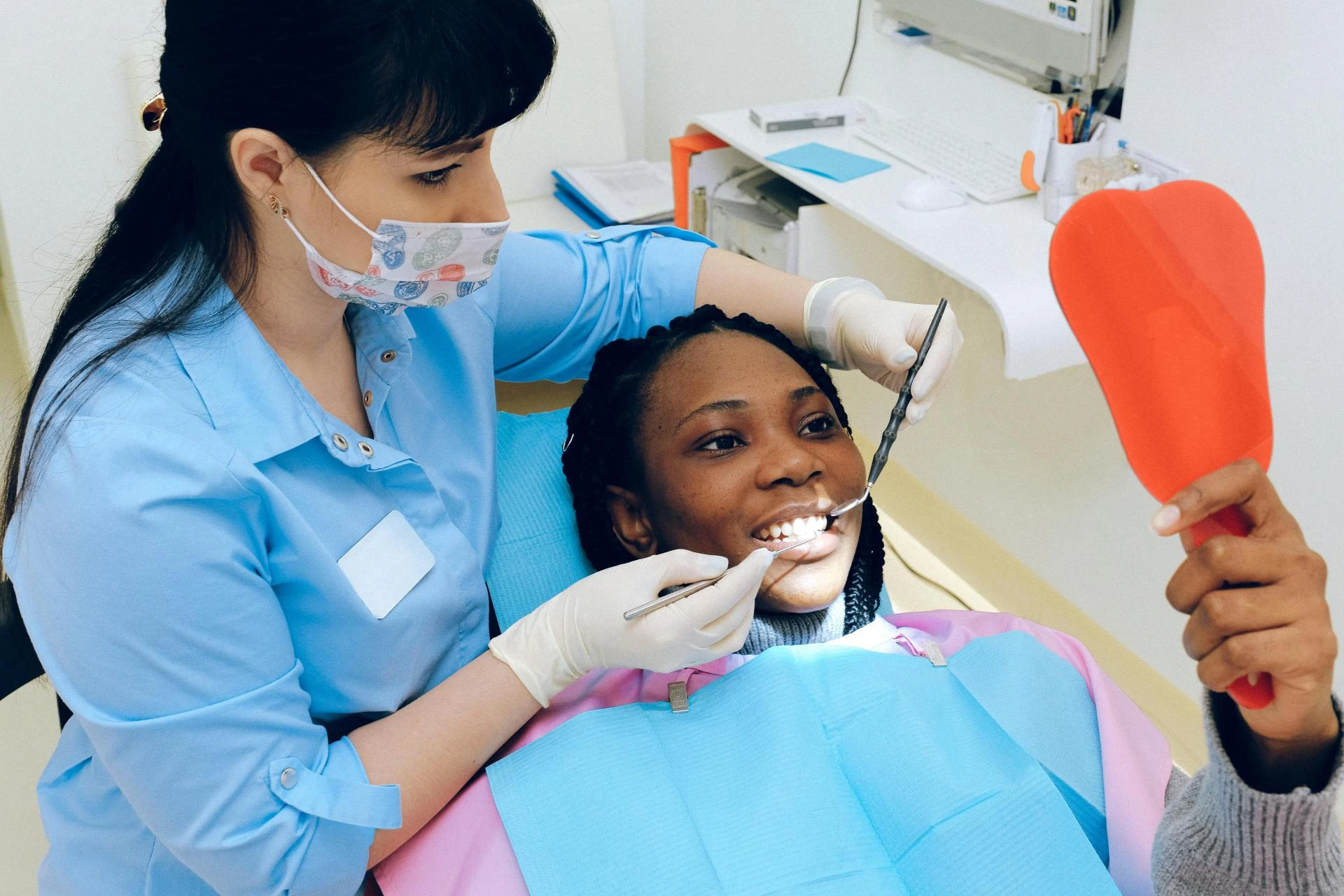
In the ever-evolving world of healthcare, dentistry is experiencing a revolution driven by technology. From diagnostics to treatment planning, Advanced Dental Technologies are reshaping how dentists operate and how patients experience oral care. This shift is not just about convenience; it's about precision, comfort, and enhanced outcomes.
As we navigate 2025, it’s clear that modern dental practices are prioritizing patient-centered approaches that leverage digital advancements. While these innovations are not meant to replace the human touch essential to dentistry, they are enhancing it in ways that were unimaginable just a decade ago.
The Digital Dentistry Revolution
One of the most visible transformations in recent years is the digitization of dental practices. Technologies like digital impressions, 3D imaging, and CAD/CAM systems are becoming standard in many clinics. These tools not only improve the accuracy of dental work but also reduce patient discomfort and drastically shorten treatment timelines.
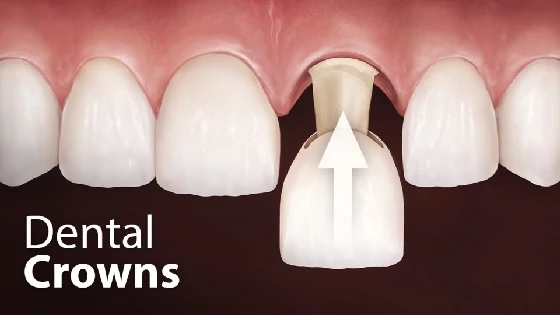
Digital impressions, for instance, eliminate the need for messy molds. Instead, an intraoral scanner creates a precise 3D model of the patient's mouth. This model can be used for everything from crowns and bridges to orthodontic planning. The process is faster, more comfortable, and often more accurate.
CAD/CAM (Computer-Aided Design and Computer-Aided Manufacturing) systems allow dental professionals to design and create restorations like crowns and veneers in a single visit. This means fewer appointments for patients and quicker solutions to dental issues.
3D Printing in Dentistry
3D printing is one of the most exciting applications among advanced dental technologies. Dentists and dental labs are now using this technology to print crowns, dentures, surgical guides, and even orthodontic aligners.
The customization possibilities are enormous. With a digital scan and a 3D printer, dental professionals can produce tailored solutions for each individual patient. The turnaround time for dental prosthetics has dropped significantly, and the accuracy has increased, resulting in a better fit and longer-lasting results.
Moreover, 3D printing is cost-effective. It reduces material waste and allows smaller clinics to offer services that were once limited to larger practices with extensive lab partnerships.
AI and Predictive Analytics in Dental Diagnostics
Artificial Intelligence (AI) is quietly but powerfully making its way into the dental field. AI algorithms are now assisting with diagnostics, especially in radiograph interpretation. These tools can detect early signs of decay, bone loss, or oral diseases with a high level of accuracy.
Using predictive analytics, dentists can also anticipate potential oral health issues before they become symptomatic. By analyzing a patient's dental history, lifestyle factors, and imaging data, AI can help develop personalized prevention strategies.
This proactive approach not only improves oral health outcomes but also builds trust with patients, who can feel confident their care is being guided by both clinical expertise and data-driven insights.
Laser Dentistry: Precision Without the Pain
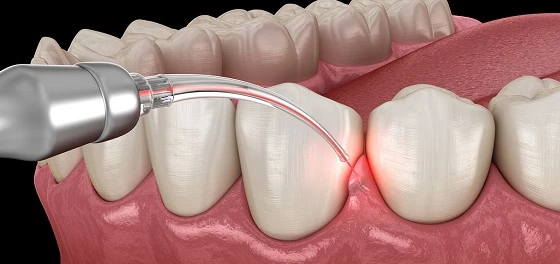
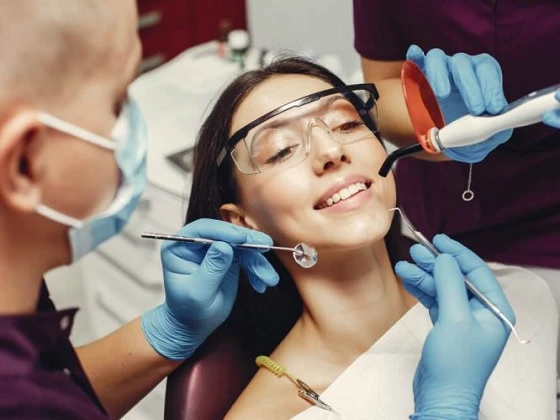
Laser technology has become a game-changer in various dental procedures. From gum reshaping and cavity removal to root canal disinfection, lasers offer a minimally invasive option that often reduces the need for anesthesia.
One of the main advantages of laser dentistry is precision. It targets only the affected areas, preserving more of the healthy tissue. Patients also benefit from quicker healing times, less bleeding, and reduced discomfort during and after the procedure.
This approach is particularly beneficial for patients who experience dental anxiety. Knowing that treatments can be less invasive and more comfortable helps reduce fear and encourages more people to seek timely dental care.
Teledentistry and Remote Monitoring
The COVID-19 pandemic accelerated the adoption of telehealth services across the medical field, and dentistry was no exception. Teledentistry, once a niche service, is now a viable way to provide consultations, follow-up appointments, and patient education.
Remote monitoring tools are also gaining traction. Patients can now use wearable devices or apps to track their oral hygiene habits, send images to their dentists, and receive real-time feedback. This makes dental care more accessible, especially for those in rural or underserved communities.
These technologies are not a replacement for in-office visits, but they complement traditional care and provide flexibility for patients and providers alike.
Robotic and Computer-Guided Surgery
In more complex procedures like implant placement, robotics and computer-guided systems are enhancing surgical precision. These systems use digital imaging to map out a patient’s anatomy and help dentists place implants with near-perfect accuracy.
This not only improves the success rate of surgeries but also reduces post-operative complications. The result is a more predictable outcome and a better overall patient experience.
Bioactive Materials and Regenerative Dentistry
Materials science has also contributed to the list of advanced dental technologies. Bioactive materials, which interact with biological tissues, are now being used to promote healing and tissue regeneration.
These materials can stimulate the formation of dentin or bone, leading to better integration of dental implants or fillings. In the long run, this means restorations that last longer and have a reduced risk of complications.
Regenerative dentistry is also exploring the possibility of growing new teeth using stem cell technology. While still in the experimental stages, it hints at a future where tooth loss could be treated with natural regeneration rather than prosthetics.
The Patient-Centered Future of Dentistry
Perhaps the most important trend driving the adoption of these technologies is the focus on improving the patient experience. Advanced dental technologies are not just about making things easier for dentists—they’re about making care better, faster, and more comfortable for patients.
Shorter wait times, fewer appointments, personalized care plans, and minimally invasive procedures all contribute to a more positive perception of dental visits. As a result, patients are more likely to maintain regular checkups and invest in their long-term oral health.
Challenges and Ethical Considerations
Despite all these benefits, the rapid integration of technology in dentistry does come with challenges. Cost is a significant factor. Not all practices can afford the latest equipment, and not all patients can afford to pay for technologically enhanced procedures.
There’s also a learning curve. Dentists and hygienists must continuously update their skills to make the most of these tools. And as with any data-driven system, privacy and cybersecurity are critical concerns when dealing with patient information.
Ethical use of AI and other digital tools must be carefully considered to ensure that technology enhances, rather than replaces, the clinician’s judgment.
The future of dentistry is undeniably digital, and the integration of advanced dental technologies is at the heart of this transformation. From AI-powered diagnostics to laser precision and 3D-printed restorations, these innovations are improving both outcomes and patient experiences.
As the dental field continues to evolve, practices that embrace these advancements will be better equipped to meet the demands of modern patients and provide care that is more efficient, effective, and empathetic. One such practice leading the way in incorporating cutting-edge dental care is The Florida Center for Laser Dentistry.


























Sign in to leave a comment.