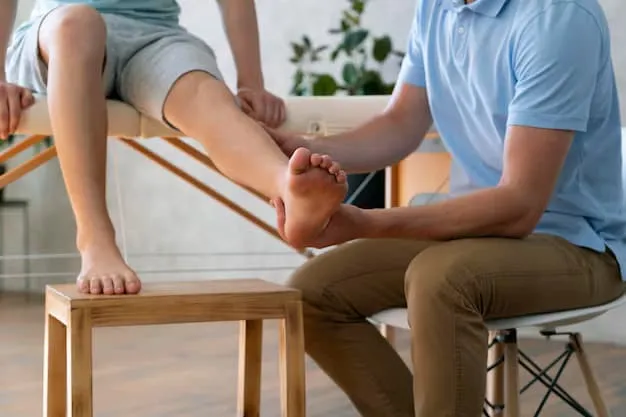

Foot drop is a condition that can affect walking ability, balance, and everyday independence, making it important to understand its causes and available management approaches. Individuals experiencing difficulty lifting the front of the foot may notice changes in their walking pattern, increased tripping, or challenges navigating uneven surfaces. Management of Foot Drop involves identifying the underlying cause, supporting safe movement, and exploring suitable treatment options with qualified healthcare professionals. A thoughtful approach can help individuals understand their symptoms, reduce potential risks, and develop strategies that support mobility and confidence during daily activities.
Understanding Foot Drop and Its Impact on Movement
Foot drop refers to difficulty lifting the front part of the foot while walking. This movement, commonly called dorsiflexion, helps the toes clear the ground during the swing phase of walking. When the muscles responsible for this action become weak or lose proper nerve control, the foot may hang downward. Individuals may compensate by raising their knees higher or swinging their legs outward. These changes can influence balance and walking efficiency. Understanding the condition provides a foundation for recognizing symptoms and seeking appropriate guidance before movement difficulties interfere significantly with daily routines.
Neurological and Muscular Factors
Certain neurological conditions can affect the signals responsible for coordinated foot movement. Disorders involving the brain, spinal cord, or peripheral nervous system may produce weakness, changes in muscle control, or altered walking patterns. Muscular conditions can also reduce the strength needed to lift the foot properly. The symptoms and progression can vary considerably between individuals. Medical evaluation helps distinguish among possible explanations and determine the appropriate care pathway. A coordinated approach may include neurological assessment, physical rehabilitation, and supportive equipment when necessary to address functional challenges and maintain movement safety.
Medical Assessment and Diagnosis
A medical assessment is an important first step in understanding foot drop. A healthcare professional generally reviews the individual's symptoms, medical history, recent injuries, and changes in walking ability. Physical examination may include testing muscle strength, joint movement, sensation, reflexes, and coordination. Depending on the findings, additional investigations may be considered to evaluate nerve function or identify problems affecting the spine and surrounding structures. The diagnostic process varies according to individual circumstances. Accurate assessment helps ensure that management focuses on the underlying problem rather than addressing walking difficulties alone.
Why Early Evaluation Matters
Early evaluation can be valuable when foot weakness develops suddenly, progresses rapidly, or occurs alongside other concerning symptoms. Sudden foot drop may be associated with an underlying neurological or structural problem that requires prompt medical attention. Individuals should seek urgent medical care when weakness appears suddenly, particularly if it occurs with severe back pain, significant numbness, or other sudden neurological changes. Gradual symptoms also deserve professional assessment. Timely evaluation may help identify treatable causes and establish appropriate support before weakness contributes to falls, reduced activity, or avoidable changes in everyday mobility.
Management of Foot Drop Through Rehabilitation
Rehabilitation may play an important role in helping individuals manage foot drop and improve functional movement. A physical therapist can assess walking patterns, muscle strength, flexibility, balance, and movement limitations. Based on the assessment, a program may include exercises designed to support available muscle function, maintain joint mobility, and improve coordination. The specific exercises depend on the underlying cause and individual abilities. Rehabilitation should be guided by a qualified professional because exercises that are suitable for one person may not be appropriate for another, particularly when nerve damage or significant weakness is present.
Strengthening and Range of Motion
Exercise programs for foot drop may focus on maintaining flexibility in the ankle and supporting the strength of muscles involved in foot control. Depending on the clinical situation, activities can include gentle ankle movements, controlled lifting exercises, and functional practice under professional supervision. Maintaining appropriate range of motion may help reduce stiffness and support positioning during movement. However, exercise selection should be individualized according to muscle strength, nerve function, pain, and medical recommendations. Consistent participation in a suitable rehabilitation plan may support functional progress, although results differ depending on the underlying condition.
Balance and Walking Practice
Balance training can help individuals develop safer movement strategies when foot weakness affects stability. Rehabilitation professionals may introduce controlled standing activities, stepping exercises, and walking practice appropriate to the person's abilities. Training may also focus on navigating changes in surface, direction, and speed. These activities should be performed in a safe environment with suitable supervision when needed. Improving awareness of foot placement and movement patterns may help individuals manage everyday challenges. The pace of rehabilitation depends on symptoms, underlying health factors, and progress observed during regular clinical assessments and functional practice sessions.
The Role of AFO Braces in Foot Drop Management
An ankle foot orthosis, commonly called an AFO, is a supportive device that may help individuals experiencing foot drop. Depending on its design, an AFO can assist with positioning the ankle and foot during walking, support toe clearance, and provide stability. Different designs offer different levels of flexibility and control. The most appropriate option depends on the individual's muscle strength, joint movement, walking pattern, and clinical needs. A qualified professional should assess the fit and function of the device to ensure that it supports movement without creating unnecessary pressure or discomfort.
Choosing Appropriate Support
Selecting a suitable supportive device involves more than choosing a particular shape or material. The individual's walking pattern, ankle flexibility, footwear, skin condition, and activity requirements can influence the decision. A properly fitted device should provide the intended support while allowing comfortable use during daily activities. Adjustments may be necessary as the individual's condition or rehabilitation progress changes. Professional guidance is important because an unsuitable device may create pressure points, restrict movement unnecessarily, or fail to provide adequate support. Regular assessments can help determine whether the selected device remains appropriate.
Footwear Considerations for Safer Walking
Footwear can influence comfort and stability for individuals experiencing foot drop. Shoes that fit securely and provide sufficient room for the foot and any prescribed support device may help improve walking comfort. Stable soles, appropriate fastening systems, and adequate heel support can be considered when selecting footwear. The best choice depends on the person's walking pattern, foot structure, and clinical recommendations. Loose or poorly fitting shoes may increase movement inside the shoe and create additional safety concerns. Individuals should consider professional advice when footwear needs to accommodate an AFO or other orthotic device.
Reducing Tripping Risks
Reducing environmental hazards can be an important part of managing foot drop symptoms. Individuals may benefit from keeping walkways clear, improving lighting, and using handrails where appropriate. Loose rugs, clutter, and uneven surfaces can create additional challenges for someone who has difficulty lifting the foot. Attention to footwear and walking speed may also support safer movement. People experiencing balance concerns should discuss appropriate strategies with healthcare professionals. Practical changes to the home and daily routine can complement clinical management and help reduce exposure to situations that may increase the likelihood of stumbling.
Conclusion
With guidance from Ler Magazine, individuals can explore helpful information about foot drop, its possible causes, and available management approaches. Understanding symptoms, seeking timely medical assessment, and following an individualized rehabilitation plan can support safer movement and everyday mobility. Supportive devices, appropriate footwear, balance exercises, and environmental adjustments may also contribute to improved confidence and comfort. Since each person's condition and recovery needs differ, professional guidance remains essential when selecting treatment options. Learning about foot drop management can help individuals make informed decisions and take practical steps toward maintaining independence and improving their quality of life.


























Sign in to leave a comment.