
Introduction
A high-quality running track is a great place for athletes to train. However, over time, even the best tracks wear out. Sun, rain, and thousands of running shoes can make the surface hard or slippery. When this happens, you don't always need a brand-new track. Often, a professional renovation can make it look and feel new again.
Here are the essential steps to fixing an old sports surface.
1. Check the Track’s Condition
The first step is a thorough inspection. Professionals look for "red flags" like bubbles, cracks, or areas where the rubber is peeling away. They also check if the track still drains water properly. If the foundation (the ground underneath) is still strong, a surface renovation is a great way to save money.
2. Clean and Prepare the Surface
You cannot build a new layer on a dirty floor. The old track must be cleaned using high-pressure water. This removes dirt, oil, and loose rubber bits. If there are small cracks, workers fill them with special polyurethane glue. This creates a smooth, clean base for the next step.
3. Re-topping: The "Fresh Coat"
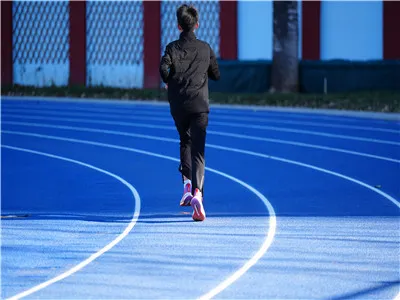
This is the most common way to renovate. A new layer of pour-in-place rubber is applied over the old surface. This adds new life to the track by improving its "bounce" and grip. It also makes the track look bright and colorful again. This step is much faster than building a whole new track from scratch.
4. Adding New Lines and Markings
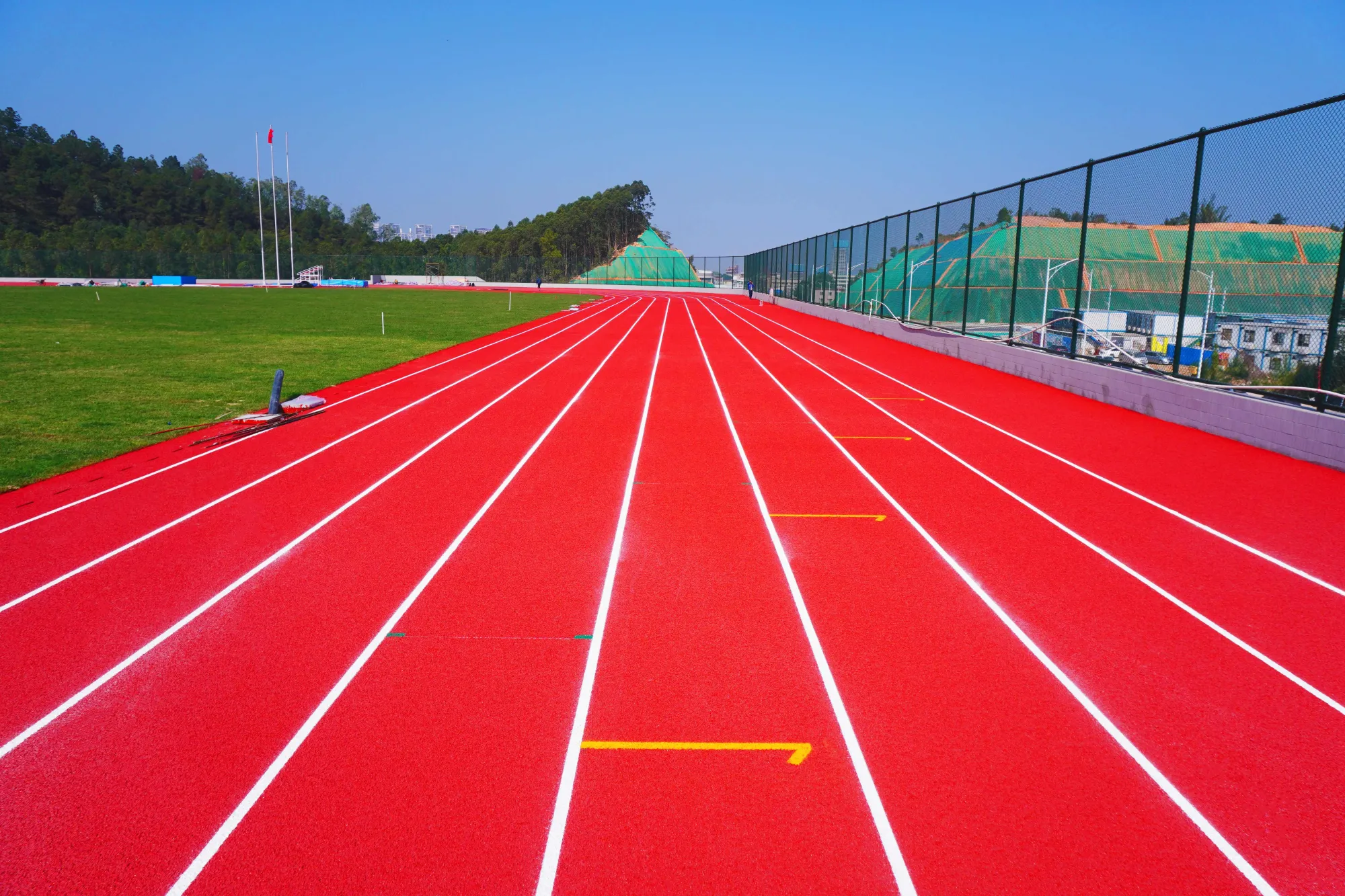
Once the new surface is ready, it needs professional markings. Using precise machines and high-quality paint, workers draw the lanes, start lines, and finish lines. These lines must follow international rules (like those from World Athletics) to make sure races are fair and accurate.
5. Final Testing for Safety
Before the athletes return, the track must be tested. Experts check if the surface is too hard or too soft. A safe track must absorb the shock when a runner's foot hits the ground. This protects their joints and helps them run faster without getting hurt.
Conclusion
Renovating your running track is a smart investment. It extends the life of your sports facility and keeps your athletes safe. By following these steps, you can turn an old, worn-out path into a world-class training ground once again.



























Sign in to leave a comment.