
Electricity bills can quietly eat into a business’s profits. Ask any factory owner, cold storage operator, hotel manager, or warehouse team, and they will tell you the same thing: power cost is not a small expense.
That is where a Solar Power Plant starts making real sense.
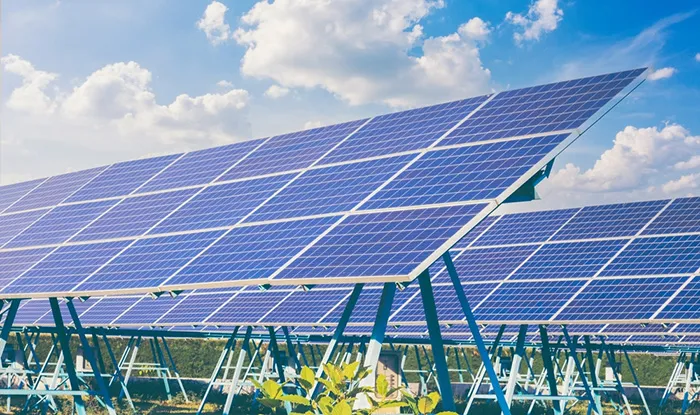
A solar captive power plant is a solar setup built mainly for a company’s own electricity use. Instead of depending fully on grid power, the business gets a dedicated solar source that supplies part of its daily energy requirement.
Sounds simple. And in many cases, it is a smart move.
Think of a manufacturing unit that runs most of its machines during the day. Solar works beautifully here because the power is generated when the factory actually needs it. I have seen many businesses get interested in solar only after they realise how much daytime electricity they are buying from the grid every month.
The concept is very simple. The solar panels collect the solar energy, which gets converted by inverters to be used as electricity. This power is used directly on-site or generated in another place using the same solar panels and then transmitted over the grid. With efficient planning of the solar plant, you could lower your bills and gain more control over them.
Now comes the truth.
Not all companies or organizations will benefit from having their own captive power plant. For example, factories operating during daytime might find it more useful than companies requiring power at night time. Having a good rooftop can help a lot, but shadows, structural integrity of the roof, and accessibility are important factors as well.
The biggest benefits are lower power bills, cleaner energy use, better cost planning, and support for sustainability goals. This is especially useful for industries, warehouses, food processing units, hospitals, educational campuses, hotels, and commercial buildings.
For many businesses, solar is no longer just about “going green.” It is about making energy costs more predictable.
A solar captive power plant (Eg: KP Green energy), works best when the business studies its actual power use, location, available space, grid rules, and future growth before investing. When planned properly, it can become a practical long-term asset.
Therefore, should you be thinking about Solar Power Plants?
Yes, particularly if you have high energy consumption during the daytime hours. However, it does not end there. The important part is to choose the correct system for the correct purpose.


















Sign in to leave a comment.