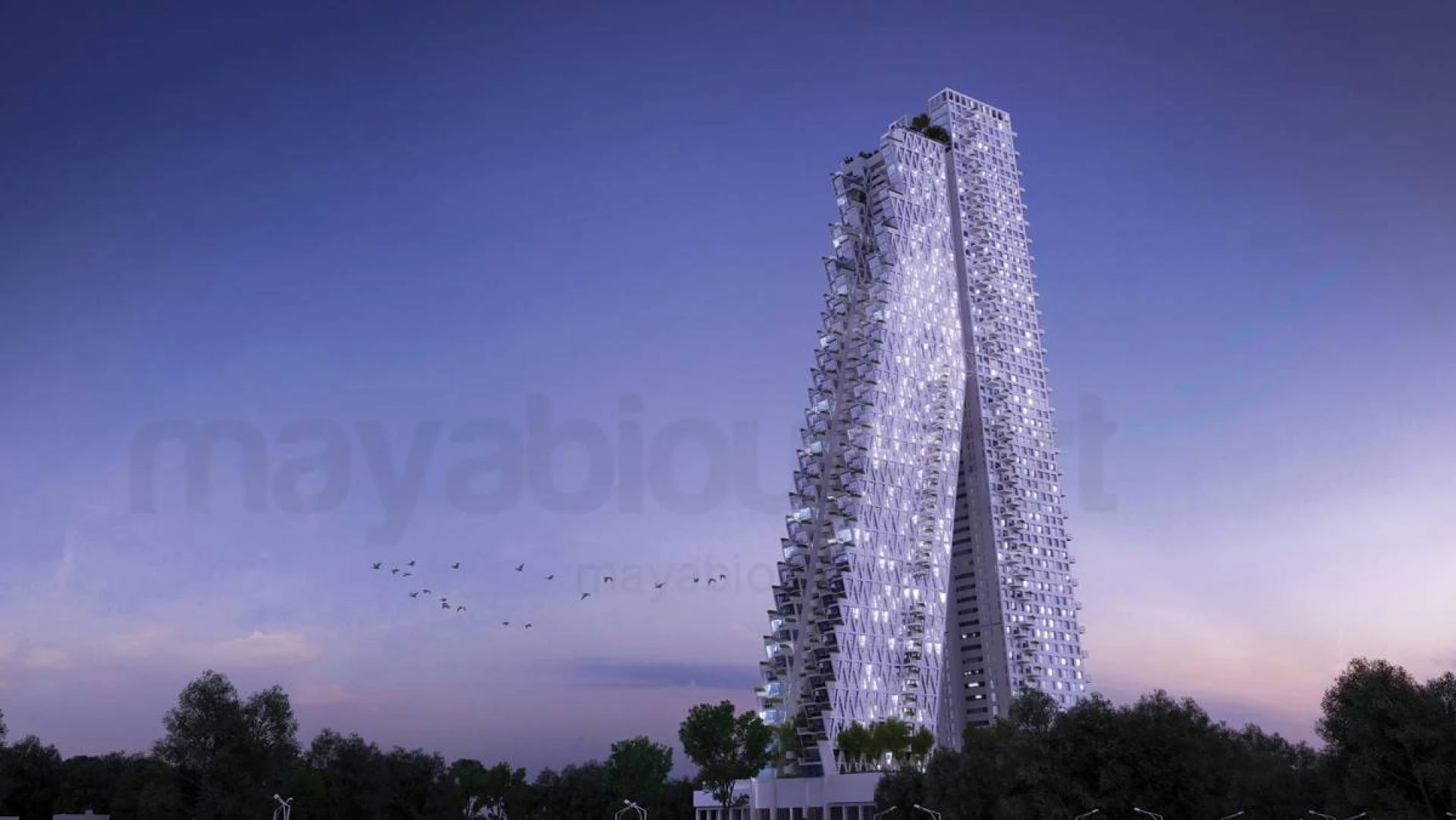

In most animation companies, 3D rendering is a common term to use. Let us get a brief about what exactly this technology is and how it works. 3D rendering or 3D visualization is a method or technology used for creating any 2D image or animation of a 3D scenery by using computer software.
3D rendered image has become an integral part of almost every visual content for advertisers, content producers, and marketers.
These days, the technology's accessibility is evolving. The software and equipment needed to perform 3D rendering have improved and are now more widely accessible. Nowadays, businesses of almost any size can produce 3D-rendered images without going overboard with their marketing spending.
The overall procedure of 3D rendering involves a perfect amalgamation of strategy, software, and creativity. Proper tools are the basic requirements for obtaining the best results in the world of 3D rendering. Tools might include the computer software on which it has been made. Along with this, a fine experience of work will make the final product look much more appealing to the audience.
A few steps that together make the procedure complete are:
3D modeling: In this step, a 3D-rendered object or scene is represented by a digital model. A digital model is a mathematical formula that describes the surface of an object or scene. People who create 3D models especially known as 3D artists use computer software to do so.
Lightning: During this stage of rendering, software algorithms are used to simulate real-world or artificial light sources. The 3D modeling software generates lighting effects like light refraction and motion blur to enhance the appearance that the image is three-dimensional. Lighting can also increase the appearance of multidimensionality in photo-realistic 2D images.Texturing: The software maps the texture of the surfaces that are present in the 3D scene or 3D object in this step. It accomplishes this by gathering data on the various light and color variations that alert our brains to the presence of various textures. Texturing is considered to be the key to photo-realistic 3D-rendered images.
Rendering: This is the actual act of creating the picture. At this point, the 3D modeling software turns the model into a high-resolution single picture that can subsequently be included in a variety of visual materials.
Refining: Following the completion of the rendering, 3D artists are usually required to undertake extra editing to fine-tune the image's look. This might comprise a mix of lighting, texturing, or other editing procedures that give the image a polish and photorealism that meets or surpasses the client's expectations. After the produced picture has been improved and judged complete, it may be utilized in any and all applications.
The application of 3D rendering is highly demanded in the real world, where any virtual product is easily capable of communicating any kind of rich visual information across a wide range of disciplines. It is receiving a great response through television production, filmmaking, and other entertainment5 areas. It has its grip in several other industries including:
Medical imagingEngineeringAeronauticsReal EstateRetailArchitecture design
The art of 3D rendering has the potential for transforming lives for both parties, including the brand as well as the consumer. Simply having better e-Commerce images could result in a significant increase in customer satisfaction. Given today's increasingly visual economy, the cost savings that 3D-rendered images promise are thrilling for brands. And the era of 3D rendering is just getting started. More industries will use 3D rendering to speed up and reduce the cost of their operations while providing better, clearer visual representations of their work as more professionals and brands realize how easily accessible today's 3D rendering software is.

























Sign in to leave a comment.