
The demand for faster, secure, and paperless documentation is rising rapidly—and Aadhaar eSign has emerged as one of the most popular digital signing methods in India. As industries accelerate their digital transformation plans, Aadhaar-based electronic signatures are helping organizations cut paperwork, lower operational costs, and speed up customer onboarding. But what exactly is Aadhaar eSign, and why should businesses switch to it in 2025? Here’s a simplified explanation.
What Is Aadhaar eSign?
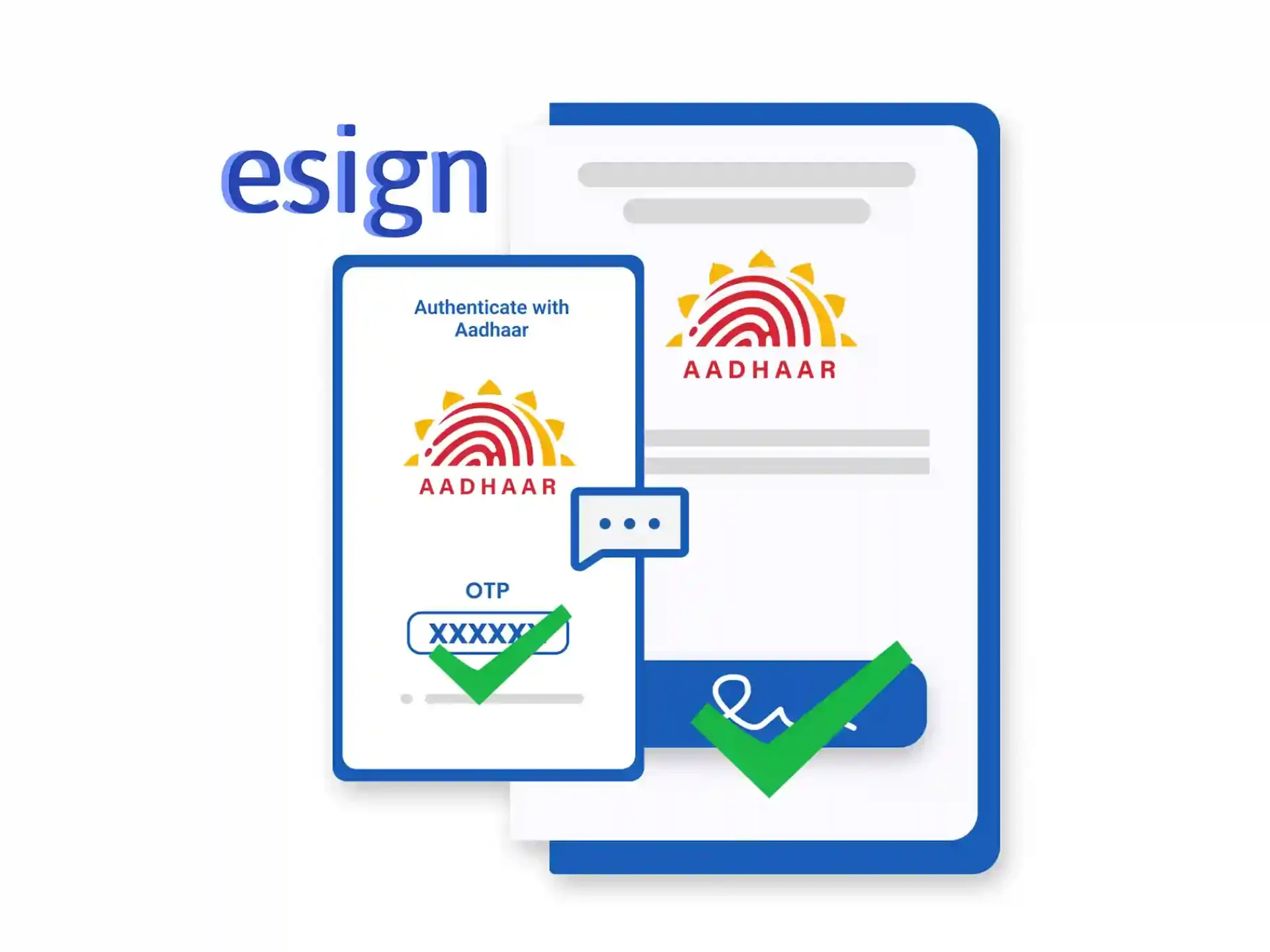
Aadhaar eSign is an online electronic signature solution that allows users to sign documents digitally through Aadhaar authentication. Instead of relying on wet signatures or USB-token-based Digital Signature Certificates (DSCs), individuals can sign instantly using Aadhaar OTP or biometric verification.
It is legally recognized under the Information Technology Act, 2000, making it widely accepted across sectors like banking, fintech, lending, insurance, telecom, HR tech, and more.
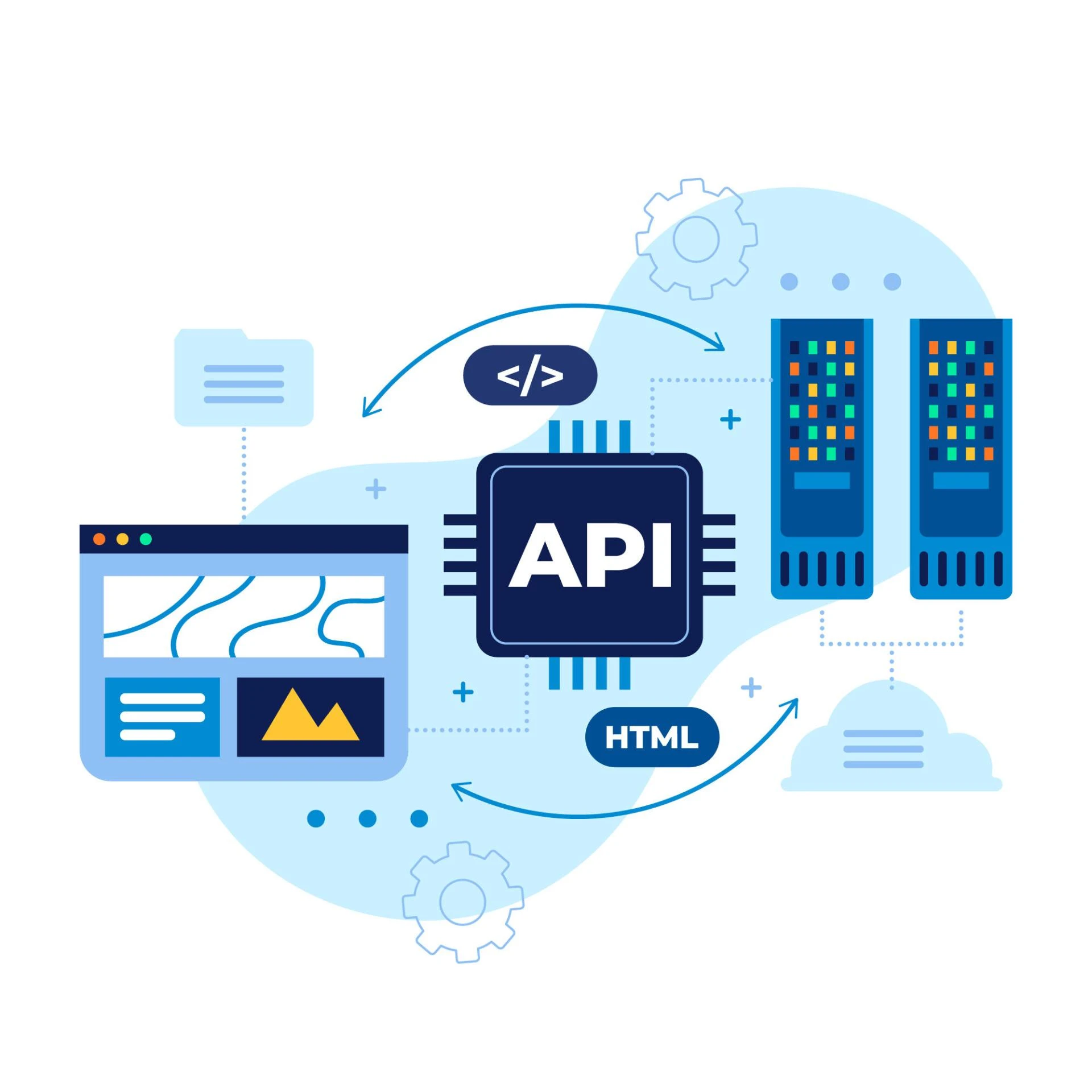
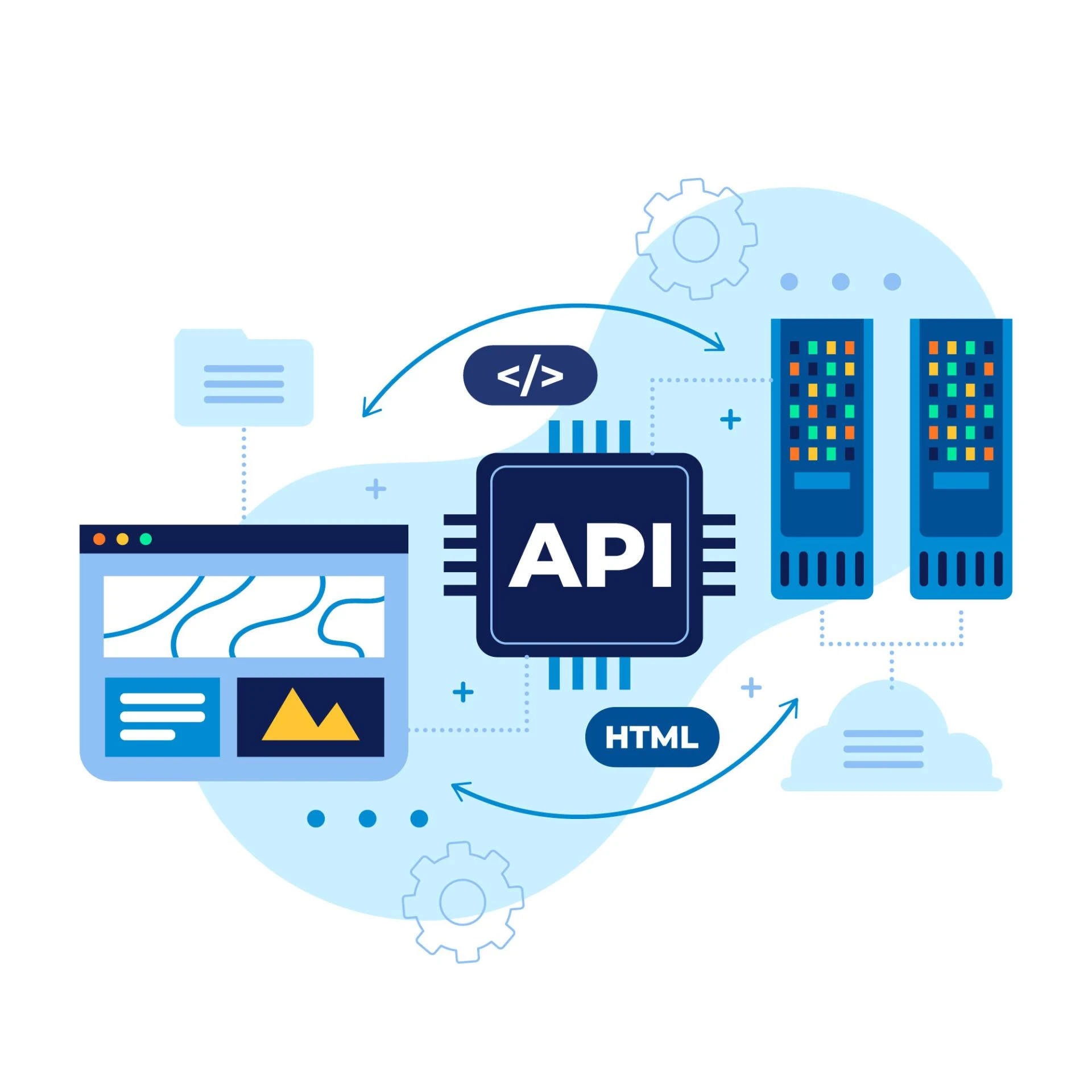
Businesses can integrate Aadhaar eSign using an eSign API or a dedicated Aadhaar eSign API provided by a licensed service provider. After integration, users can complete the signing process within seconds—remotely, securely, and in full compliance.
How Aadhaar eSign Works (Easy Breakdown)
The Aadhaar eSign process is simple and efficient:
- The user initiates the signing flow on a business platform.
- The system triggers Aadhaar OTP authentication through UIDAI.
- After successful verification, the eSign API applies an Aadhaar-based digital signature to the document.
- The signed file becomes tamper-proof, timestamped, and legally valid.
This lightweight workflow is ideal for high-volume digital journeys where speed and compliance must go hand in hand.
Why Businesses Should Adopt Aadhaar eSign in 2025
1. Rapid, Remote Onboarding
From bank account opening and KYC to loan agreements and insurance forms, Aadhaar eSign enables customers to sign documents instantly from anywhere. This boosts conversions and reduces drop-offs.
2. Strong Legal Validity & Regulatory Compliance
Aadhaar eSign is government-backed and fully compliant with the IT Act. Every signature is encrypted, time-stamped, and auditable—making it perfect for regulated industries.
3. Reduced Costs & Zero Manual Paperwork
Traditional document handling involves printing, couriering, scanning, and storage. Aadhaar eSign removes all these steps, helping companies cut documentation costs by up to 90%.
4. Improved User Experience
With a simple OTP-based flow, users can complete a signature in under 30 seconds. The convenience results in higher completion and onboarding success rates.
5. Easy Integration Through eSign API Providers
Businesses don’t need to build their own infrastructure. A certified eSign API provider offers:
- Plug-and-play Aadhaar eSign API
- Developer-friendly SDKs
- Secure workflow handling
- Dashboards and analytics
This enables fast development and smooth scalability.
Conclusion
Aadhaar eSign is now a crucial component of modern digital workflows. As organizations move into 2025, the shift toward automated, paperless, and compliant documentation will continue to accelerate. By integrating a dependable Aadhaar eSign API, businesses can streamline operations, stay compliant, and deliver a seamless signing experience. Whether you operate in BFSI, fintech, telecom, HR tech, or any digital-first industry, adopting Aadhaar eSign is a smart step toward faster and more efficient processes.

























Sign in to leave a comment.