

Creating high-quality content is often a time-consuming task, especially when it involves interviews. Whether the interviews are for journalism, research, podcasts, marketing, HR, or client projects, the process of turning spoken conversations into clean, readable text can feel overwhelming. This is where an accurate interview transcription tool becomes a valuable companion. With the right technology, professionals can work faster, avoid manual typing, and focus more on analyzing insights rather than struggling with audio.
An interview transcription tool is no longer just a convenience. In today’s fast-paced content environment, it has become an essential resource for smooth workflows and organized documentation. This article explores how these tools work, why they matter, and what features truly define a high-quality transcription experience.
Why Accurate Transcription Matters for Interviews
Interviews are powerful content resources. They capture thoughts, emotions, stories, and firsthand experiences. However, their true value appears only when the spoken words are converted into structured text. Accuracy plays a major role here because even small errors can change the meaning of an important statement.
Interviews Hold Crucial Information That Needs Clear and Precise Extraction
Every interview contains key details that need to be represented correctly. Misheard words, missing phrases, or incorrect punctuation can distort the speaker’s intent. Imagine a researcher quoting an expert or a journalist publishing a public statement. Any mistake in transcription can lead to misunderstandings, miscommunication, or even reputational issues.
This is why accuracy is a core requirement when choosing an interview transcription tool. It ensures that the final text reflects the original conversation exactly as it happened, without confusion or distortion.
Accurate Transcripts Make Content Creation Faster and More Reliable
Many professionals rely on interview transcripts to write articles, script videos, prepare presentations, or compile reports. With accurate transcripts, they spend less time cleaning up errors and more time creating meaningful content. The smoother the transcript, the faster the workflow.
Accuracy also helps when content needs to be reviewed by multiple team members. Clean transcripts reduce back-and-forth corrections, speeding up approvals and final drafts.
How an Interview Transcription Tool Speeds Up the Content Process
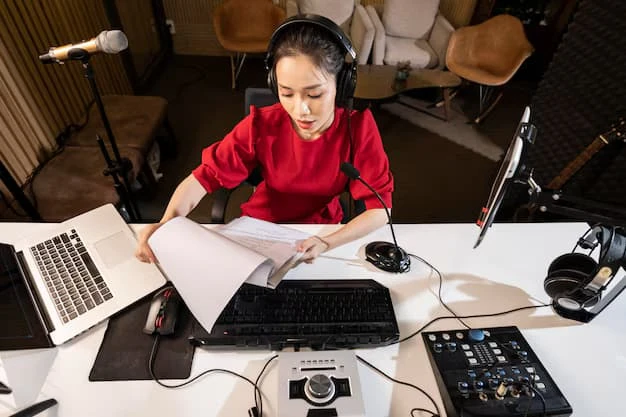
Modern transcription tools are designed to save time and reduce manual effort. Instead of listening to audio repeatedly, users can upload their recordings and receive text within minutes. This simple improvement can transform how writers, researchers, and teams handle interviews.
Automation Eliminates Hours of Manual Typing and Listening
Typing out an hour-long interview manually can take four to six hours, depending on the typing speed and complexity of the conversation. Listening, pausing, rewinding, and writing each line becomes exhausting.
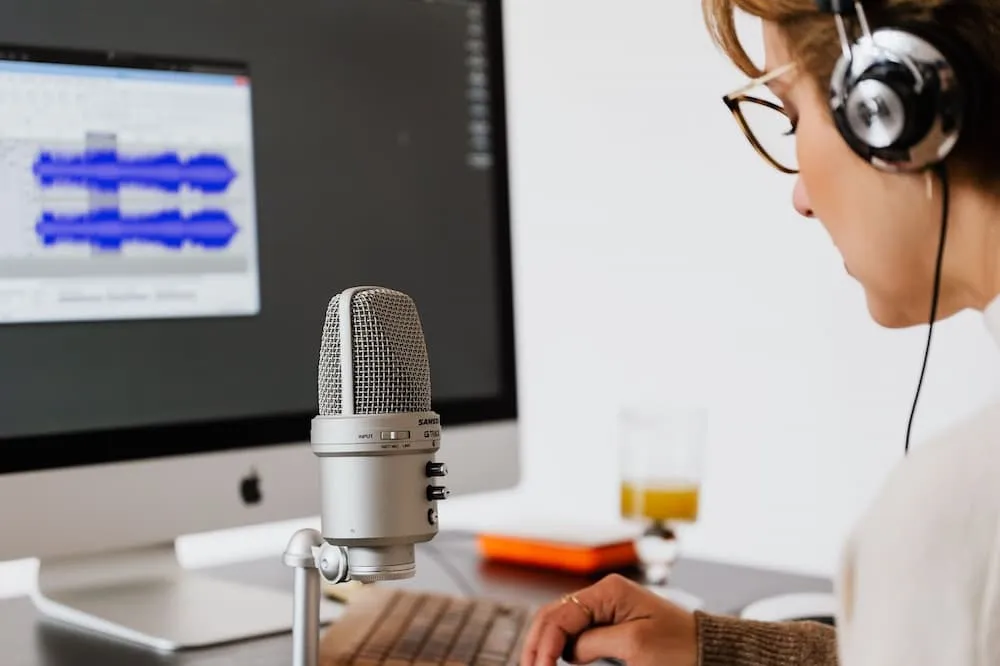
An automated interview transcription tool handles this work instantly. It processes the audio, identifies speech patterns, converts words into text, and presents the transcript in a readable structure. This means professionals can focus on the important parts of their job instead of doing repetitive tasks.
Faster Transcripts Lead to Faster Projects
For content creators working under deadlines, speed is essential. When interviews are transcribed quickly, projects move faster. Writers can begin drafting sooner, editors can start reviewing earlier, and teams can publish content on time.
This is especially helpful for journalists working on breaking news, researchers preparing time-sensitive reports, or creators managing multiple clients simultaneously. A fast transcription process helps maintain consistency and productivity.
Key Features to Look for in a High-Quality Interview Transcription Tool
Not all transcription tools offer the same level of quality or convenience. To get the best results, it helps to know what features truly matter. Below are essential elements that define a reliable and accurate interview transcription tool.
Advanced Speech Recognition That Understands Different Voices and Accents
People speak differently based on their region, tone, speed, and accent. A good interview transcription tool can identify these differences and still produce accurate results. This ensures that every speaker is represented clearly, even in long interviews or group discussions.
Support for Multiple Audio and Video Formats for Smooth Uploading
Interviews can be recorded on phones, cameras, laptops, or professional devices. Each produces different file types. A dependable transcription tool accepts a wide variety of formats, so users can upload their recordings without needing conversions.
Speaker Identification for Organized and Easy-to-Read Transcripts
When an interview has multiple participants, identifying who said what becomes important. A strong transcription system labels different speakers so the conversation is easy to follow. This helps researchers, writers, and editors trace specific statements without confusion.
Noise Handling for Clearer Output in Challenging Environments
Real-world interviews do not always happen in quiet rooms. Many take place outdoors, in offices, or in group settings with background noise. A high-quality interview transcription tool should reduce unwanted noise and focus on the main voices.
Editing Tools That Help Clean Up and Format the Final Transcript
Sometimes the transcript needs small adjustments. Built-in editing features make this easy by letting users correct, highlight, and format text directly on the platform. This ensures that the final document meets professional standards.
Export Options for Flexible Use Across Different Platforms
A reliable tool should let users download transcripts in formats like text files, PDFs, Word documents, or other editable layouts. This flexibility helps teams share transcripts, import them into writing software, or archive them easily.
How Accurate Transcripts Improve Content Quality
Transcripts are more than just written versions of audio. They are powerful tools that help professionals understand conversations, extract insights, and create impactful content.
Transcripts Make It Easier to Identify Themes, Quotes, and Insights
When interviews are written out clearly, it becomes easier to scan through them, highlight key points, and identify meaningful patterns. Content creators can pick out strong quotes or summarize ideas more effectively.
Written Records Improve Collaboration Among Teams
Teams working together need a shared understanding of the interview. Accurate transcripts act as a reference point for brainstorming sessions, scriptwriting, content editing, or strategy building. Instead of relying on memory, everyone refers to the same written text.
Better Transcripts Lead to More Professional Output
High-quality content often depends on accuracy. When the transcript is correct, the final article, report, or video script becomes clearer and more polished. This improves the overall quality of work and enhances the audience’s trust.
The Future of Interview Transcription Tools
As technology continues to evolve, transcription tools are becoming even more advanced. From improved accuracy to smarter features, the future looks promising for professionals who rely on interviews for content creation.
Smarter Automation and More Natural Understanding of Speech
Future transcription systems will likely understand human speech more naturally, capturing tone, emotion, and subtle expressions. This will make transcripts more contextual and useful.
Better Integration With Content Workflows
Upcoming tools may offer deeper integration with writing platforms, project management systems, and communication tools. This means transcripts will fit more smoothly into daily workflows, reducing time spent switching between apps.
Improved Accessibility for Global Users
As languages and dialects continue to expand in transcription technology, people from different backgrounds will benefit from clearer, more inclusive transcripts.
A Smooth Path to Faster and More Accurate Interview Content
An accurate interview transcription tool plays a major role in simplifying content creation. It saves time, reduces stress, and helps professionals focus on storytelling, analysis, and creative work. The right tool ensures that interviews become valuable resources rather than time-consuming tasks.
A well-designed transcription system creates a smooth flow from recording to final content. It allows teams and individuals to organize information, work faster, and produce high-quality results without spending hours on manual transcription.
In today’s world, where content speed and accuracy matter more than ever, choosing a dependable transcription solution can make a big difference.
This is where PrismaScribe becomes a helpful partner. With its smart features and user-friendly design, it assists professionals in turning interviews into clean, accurate text quickly and confidently. Anyone looking for a smoother workflow can rely on PrismaScribe to simplify the entire transcription process and support fast, efficient content creation.


























Sign in to leave a comment.