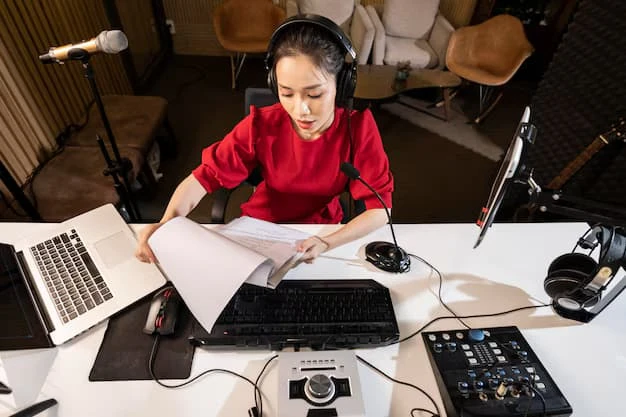

Audio transcription services have become an essential tool for many industries, from business professionals and journalists to content creators and academics. They help convert spoken words into written text, allowing for easier analysis, documentation, and sharing of information. Whether you're transcribing an interview, a lecture, a podcast, or a business meeting, choosing the right audio transcription service can make a world of difference in terms of accuracy, turnaround time, and overall convenience.
This article will explore how to choose the right audio transcription service for your specific needs. By understanding the different types of transcription services, their features, and the factors that influence your choice, you'll be able to find a solution that best fits your requirements.
Understanding the Different Types of Audio Transcription Services
Before diving into the selection process, it’s important to understand the two main types of audio transcription services available: manual transcription and automated transcription.
Manual Transcription Services
Manual transcription involves a human transcriber listening to your audio file and typing out the content word-for-word. This type of transcription is generally more accurate than automated transcription, as human transcribers can understand nuances, accents, and context that an AI system might miss.
Manual transcription services are ideal for situations where accuracy is critical, such as legal or medical transcriptions, where every word and detail must be correct. However, manual transcription can be slower and more expensive than automated services.
Automated Transcription Services
Automated transcription uses artificial intelligence (AI) and speech recognition software to convert audio into text. These services are typically faster and more affordable than manual transcription, but they may not always be as accurate, especially when dealing with poor audio quality, strong accents, or technical jargon.
Automated transcription is often a good choice for simpler tasks, such as transcribing podcasts, interviews, or casual meetings. It’s also a great option if you need a rough draft that you can edit later.
Understanding these two options will help guide your decision on which service is the best fit for your needs.
Key Factors to Consider When Choosing an Audio Transcription Service
When selecting an audio transcription service, several factors can influence your decision. These factors vary depending on the specific nature of your project, your budget, and the level of accuracy you require.
1. Accuracy and Quality
Accuracy is arguably the most important factor when choosing a transcription service. Even minor mistakes in transcription can lead to misunderstandings, especially in professional settings. While human transcriptionists generally offer higher accuracy, automated systems are improving, but they may still struggle with certain accents, background noise, or industry-specific terms.
Before selecting a service, assess the type of audio you need transcribed. If it's clear, straightforward speech with little jargon, an automated service may suffice. However, for more complex audio (such as interviews with multiple speakers, technical discussions, or interviews with background noise), you may want to opt for a manual service that offers greater accuracy.
2. Turnaround Time
The turnaround time is another crucial factor to consider. How quickly do you need the transcription completed? If you have a tight deadline or need quick access to the transcript, automated services are typically much faster, sometimes delivering transcriptions in just a few minutes or hours. Manual transcription services, on the other hand, can take longer due to the time it takes for a human to listen to the audio and transcribe it accurately.
Many transcription services offer varying turnaround times depending on your needs, and it’s important to make sure the service can meet your deadlines before committing. For example, if you're a journalist covering breaking news, you may need a faster turnaround than if you're transcribing a lecture for research purposes.
3. Cost Considerations
The cost of transcription services can vary greatly depending on the service type, the length of the audio, and the required turnaround time. Automated transcription services tend to be more affordable, often charging per minute of audio. Manual transcription, however, is typically more expensive because of the time and labor involved in the process.
When choosing a transcription service, consider your budget and weigh the trade-offs between cost and quality. For simple, non-urgent projects, an automated service may provide a good balance between affordability and accuracy. For more complex or critical tasks, you may need to invest in a more expensive, high-quality manual service.
4. Audio Quality and Format
The quality of the audio you provide will have a significant impact on the final transcription. If your recording is clear, with minimal background noise and well-enunciated speech, both manual and automated services will likely perform well. However, if the audio quality is poor or the speakers talk over one another, transcription can become much more challenging.
Some transcription services specialize in handling difficult audio files, such as those with heavy accents, multiple speakers, or significant background noise. It's important to inquire about the service’s ability to handle such audio if this is a concern for your project.
5. Security and Confidentiality
For sensitive or confidential information, security and confidentiality are of utmost importance. Many industries, such as legal and healthcare, have strict privacy regulations (such as HIPAA compliance in healthcare) that transcription services must adhere to. Ensure that the transcription service you choose follows the necessary data security protocols to protect your information.
If your project involves private or confidential information, be sure to ask about the service's data protection policies. Look for services that provide secure file transfers and guarantee confidentiality agreements with their transcribers.
Additional Features to Look for in an Audio Transcription Service
Aside from the basic elements like accuracy, turnaround time, and cost, some transcription services offer additional features that can further enhance your experience and provide more value for your money. These features may include:
1. Speaker Identification
For transcriptions involving multiple speakers, it’s essential to have clear speaker identification, especially in meetings or interviews. Some transcription services automatically label different speakers, while others may offer this feature as an add-on service. This makes it easier to follow along and understand who said what, which is crucial for accurate reporting and analysis.
2. Formatting and Timestamps
If you need your transcription in a specific format or with timestamps (i.e., noting the exact time in the audio when each segment occurs), look for a service that offers customizable formatting options. Timestamping is particularly useful for video transcriptions, where you want to match the written text with the corresponding part of the video.
3. Editing and Proofreading Services
Some transcription services offer additional editing or proofreading services. If you need the transcription to be polished and free of errors, look for a service that includes editing or proofreading as part of the package or for an additional fee.
4. Integration with Other Tools
If you use certain software tools, such as project management platforms or content management systems, it may be beneficial to choose a transcription service that integrates seamlessly with these tools. Integration can help streamline workflows and make it easier to access and share your transcriptions.
Making the Right Choice for Your Needs
Choosing the right audio transcription service depends largely on your specific needs. By carefully considering factors such as accuracy, turnaround time, cost, audio quality, and confidentiality, you can find a service that best fits your project requirements. Whether you need quick and affordable transcription for personal use or precise, high-quality transcription for a professional setting, there’s a service that will meet your needs.
For those looking for a reliable and professional solution for transcribing audio files, PrismaScribe offers high-quality transcription services tailored to meet diverse needs. With a focus on accuracy, security, and efficiency, PrismaScribe ensures that your transcriptions are delivered on time and to the highest standard. Whatever your transcription needs may be, PrismaScribe can provide a solution that simplifies your workflow and supports your goals.





























Sign in to leave a comment.