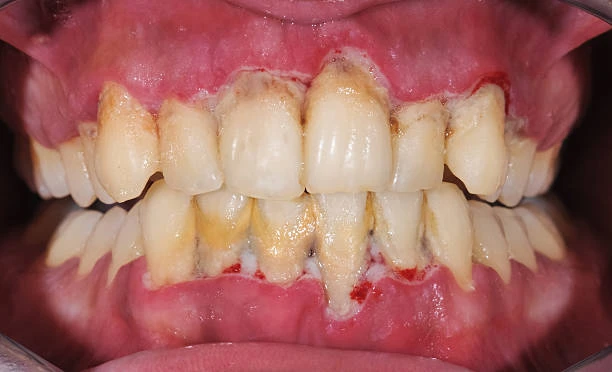

A perfect smile is a significant confidence booster and essential for overall oral health. Missing teeth can affect not only the aesthetics of your smile but also your ability to chew, speak, and maintain proper dental alignment. A Dental bridge in Riyadh(أطقم الأسنان في الرياض) is an effective solution to restore your smile and improve your quality of life. This blog will guide you through the types of dental bridges available, their benefits, and what to expect from the procedure.
What is a Dental Bridge?
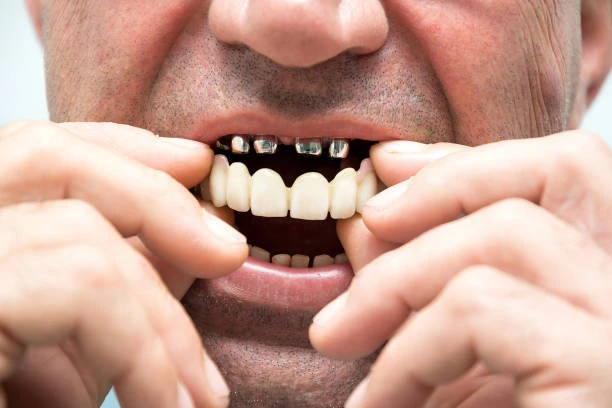
A dental bridge is a prosthetic device used to replace one or more missing teeth. The bridge consists of artificial teeth called pontics, which are anchored in place by dental crowns on the adjacent teeth or implants. The primary goal of a dental bridge is to restore the function and appearance of your smile.
Types of Dental Bridges
There are several types of dental bridges available, each designed to address specific needs and preferences. Understanding these options will help you make an informed decision about which type of bridge is right for you.
Traditional Dental Bridges
Traditional dental bridges are the most common type. They consist of one or more artificial teeth (pontics) supported by crowns placed on the adjacent natural teeth. This type of bridge is highly durable and suitable for most cases, especially when the adjacent teeth are healthy and strong.
Key Points:
- Requires reshaping of adjacent teeth for crowns.
- Ideal for replacing one or more missing teeth.
- Provides strong and stable support.
Cantilever Dental Bridges
Cantilever bridges are used when there is only one adjacent tooth available to support the bridge. Instead of being anchored on both sides, the bridge is supported by a crown on just one side. This type of bridge is generally used in the front teeth and is less suitable for areas with heavy chewing pressure.
Key Points:
- Supported by a crown on one side only.
- Best for areas with minimal chewing pressure.
- Less commonly used than traditional bridges.
Maryland Bonded Bridges
Maryland bonded bridges, also known as resin-bonded bridges, use a metal or porcelain framework bonded to the back of the adjacent teeth. This type of bridge requires less alteration of the surrounding teeth compared to traditional bridges. It is often used for replacing front teeth.
Key Points:
- Minimal alteration of adjacent teeth.
- Bonded using a metal or porcelain framework.
- Suitable for front teeth.
Implant-Supported Bridges
Implant-supported bridges use dental implants as anchors instead of crowns on natural teeth. Implants are surgically placed into the jawbone, providing a stable foundation for the bridge. This option is ideal for replacing multiple missing teeth in a row and offers superior durability and functionality.
Key Points:
- Requires surgical placement of implants.
- Provides strong and long-lasting support.
- Ideal for multiple missing teeth.
Benefits of a Dental Bridge
Choosing a Dental bridge in Riyadh comes with several benefits that enhance both your oral health and overall appearance. Here are some of the key advantages of dental bridges:
Restores Functionality
A dental bridge restores your ability to chew food properly and speak clearly. Missing teeth can make it challenging to enjoy a varied diet and communicate effectively. By filling the gap with a bridge, you can regain full functionality of your mouth.
Key Points:
- Improves chewing efficiency.
- Enhances speech clarity.
- Restores normal eating habits.
Prevents Teeth from Shifting
When a tooth is missing, the adjacent teeth may shift into the gap, leading to misalignment and bite issues. A dental bridge helps maintain the proper alignment of your teeth and prevents shifting, which can lead to further dental problems.
Key Points:
- Maintains proper tooth alignment.
- Prevents adjacent teeth from shifting.
- Reduces the risk of bite issues.
Maintains Facial Structure
Missing teeth can cause changes in your facial structure, leading to a sunken appearance that may make you look older. A dental bridge supports your facial structure, helping to maintain a youthful and natural appearance.
Key Points:
- Preserves facial shape and structure.
- Prevents a sunken appearance.
- Enhances overall facial aesthetics.
Enhances Aesthetics
A well-crafted Dental bridge in Riyadh blends seamlessly with your natural teeth, improving the overall appearance of your smile. Modern dental bridges are designed to match the color and shape of your existing teeth, providing a natural-looking result.
Key Points:
- Provides a natural and attractive appearance.
- Matches the color and shape of existing teeth.
- Boosts self-confidence and smile aesthetics.
Long-Lasting Solution
Dental bridges are a durable and long-lasting solution for missing teeth. With proper care and regular dental check-ups, a dental bridge can last many years, making it a cost-effective choice for tooth replacement.
Key Points:
- Long-lasting with proper care.
- Cost-effective compared to other solutions.
- Requires regular maintenance for longevity.
The Dental Bridge Procedure
Understanding the procedure for getting a Dental bridge in Riyadh can help you feel more confident and prepared. Here’s a step-by-step overview of what to expect during the process:
Initial Consultation
The first step is to schedule a consultation with a dental professional. During this visit, your dentist will assess your oral health, discuss your options, and determine the best type of bridge for your needs. X-rays and impressions may be taken to evaluate the condition of your teeth and plan the procedure.
Key Points:
- Assessment of oral health.
- Discussion of bridge options.
- X-rays and impressions taken.
Tooth Preparation
For traditional and cantilever bridges, the adjacent teeth must be prepared to support the crowns. This involves reshaping the teeth by removing a portion of enamel to make room for the crowns. If you are getting an implant-supported bridge, dental implants will be surgically placed in the jawbone.
Key Points:
- Adjacent teeth reshaped for crowns.
- Implant placement for implant-supported bridges.
- Temporary bridge may be provided.
Impressions and Temporary Bridge
After preparing the teeth, your dentist will take impressions to create a model for the bridge. A temporary bridge may be placed to protect your exposed teeth and gums while the permanent bridge is being made.
Key Points:
- Impressions taken for bridge fabrication.
- Temporary bridge placed for protection.
- Ensures comfort during the waiting period.
Fitting the Permanent Bridge
Once your permanent bridge is ready, your dentist will remove the temporary bridge and fit the new one. They will check the fit and make any necessary adjustments to ensure comfort and functionality. After finalizing the fit, the bridge will be permanently cemented in place.
Key Points:
- Temporary bridge removed.
- Permanent bridge fitted and adjusted.
- Final cementation of the bridge.
Caring for Your Dental Bridge
Proper care is essential to ensure the longevity and success of your Dental bridge in Riyadh. Here are some tips to help you maintain your bridge and keep your oral health in top condition:
Maintain Good Oral Hygiene
Brushing and flossing are crucial for maintaining the health of your dental bridge and surrounding teeth. Brush twice a day with fluoride toothpaste and use floss or interdental brushes to clean between the bridge and your natural teeth.
Key Points:
- Brush twice daily with fluoride toothpaste.
- Floss or use interdental brushes.
- Prevents plaque buildup and decay.
Regular Dental Check-Ups
Regular visits to your dentist are important for monitoring the condition of your dental bridge and overall oral health. Professional cleanings and check-ups help detect any issues early and ensure the bridge remains in good condition.
Key Points:
- Schedule regular dental check-ups.
- Professional cleanings to maintain oral health.
- Early detection of potential issues.
Avoid Hard and Sticky Foods
To prevent damage to your dental bridge, avoid chewing on hard objects and sticky foods. Hard foods can cause the bridge to crack or become dislodged, while sticky foods can pull on the bridge and affect its stability.
Key Points:
- Avoid hard objects and sticky foods.
- Protects the bridge from damage.
- Maintains the stability and functionality of the bridge.
Consider a Mouthguard
If you grind your teeth at night or participate in contact sports, a mouthguard can protect your dental bridge from damage. Your dentist can provide a custom-fitted mouthguard to offer the best protection.
Key Points:
- Use a mouthguard for protection.
- Custom-fitted for optimal fit.
- Reduces risk of damage during sports or grinding.
Choosing the Right Dental Bridge for You
Selecting the right Dental bridge in Riyadh depends on several factors, including your oral health, the location of the missing teeth, and your personal preferences. Here’s how to make the best choice:
Evaluate Your Oral Health
The condition of your remaining teeth and gums plays a significant role in determining the best type of bridge. If your adjacent teeth are healthy and strong, a traditional bridge may be appropriate. For those with weakened teeth or multiple missing teeth, an implant-supported bridge might be a better option.
Key Points:
- Assess the health of adjacent teeth and gums.
- Choose a bridge type based on oral health.
- Consider implants if multiple teeth are missing.
Consider Aesthetic Preferences
For visible areas of your mouth, aesthetics will be a key factor in your decision. Porcelain and ceramic bridges offer a more natural appearance, blending well with your existing teeth. Your dentist can help you choose a bridge that matches your aesthetic goals.
Key Points:
- Select a bridge that matches your teeth color and shape.
- Focus on aesthetics for visible areas.
- Consult with your dentist for the best match.
Evaluate Costs and Longevity
Different types of dental bridges come with varying costs. Implant-supported bridges tend to be more expensive but offer a long-term solution. Traditional bridges are generally more affordable but may require more maintenance. Consider your budget and long-term oral health needs when making your decision.
Key Points:
- Compare costs and benefits of each bridge type.
- Consider the longevity and maintenance requirements.
- Choose based on your budget and oral health needs.
Conclusion
A Dental bridge in Riyadh offers a practical and effective solution for replacing missing teeth and achieving a perfect smile. Whether you opt for a traditional bridge, cantilever bridge, Maryland bonded bridge, or implant-supported bridge, understanding your options and maintaining proper care will ensure you achieve the best results.



























Sign in to leave a comment.