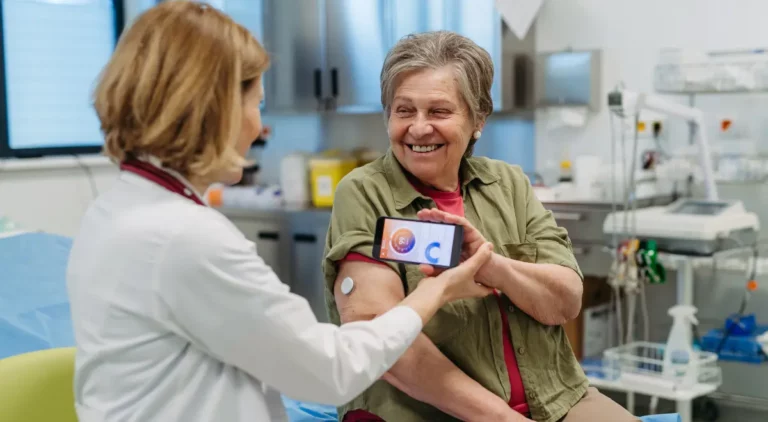
As the global population ages, healthcare systems face unique challenges in addressing the needs of older adults living with multiple chronic conditions. Effective chronic care management programs are becoming essential for delivering quality healthcare, reducing hospitalizations, and improving the quality of life for seniors. In this article, we explore the importance of adapting chronic care management programs for aging populations and provide actionable strategies to optimize care delivery.
Understanding the Need for Chronic Care Management Programs
A chronic care management program is designed to provide coordinated, continuous care for patients with two or more chronic conditions, such as diabetes, heart disease, arthritis, and hypertension. As people age, the likelihood of developing multiple chronic conditions increases significantly. According to the Centers for Disease Control and Prevention (CDC), about 80% of older adults have at least one chronic disease, and 68% have two or more.
This demographic shift places a tremendous burden on healthcare systems and caregivers. Traditional healthcare methods, which often focus on acute care, are no longer sufficient. Instead, a proactive, patient-centered chronic care management program is necessary to ensure holistic and effective care for aging populations.
Key Challenges in Managing Chronic Conditions in Older Adults
Adapting chronic care management programs for older adults requires addressing several unique challenges:
- Polypharmacy: Many seniors take multiple medications, increasing the risk of adverse drug interactions.
- Cognitive Decline: Conditions like dementia can complicate self-management and adherence to treatment plans.
- Mobility Issues: Physical limitations can make it harder for seniors to attend appointments or follow through with care plans.
- Social Isolation: Many older adults live alone, which can lead to depression and negatively impact their overall health.
- Socioeconomic Barriers: Limited income or access to transportation can hinder access to necessary healthcare services.
Strategies to Adapt Chronic Care Management Programs for Seniors
To create an effective chronic care management program for aging populations, healthcare providers and organizations should consider the following strategies:
Personalized Care Plans
One-size-fits-all approaches rarely work for older adults. A successful chronic care management program should include:
- Comprehensive assessments that consider medical history, lifestyle, and personal preferences.
- Individualized care plans that are regularly updated based on patient progress and changing needs.
- Inclusion of family members and caregivers in the decision-making process.
Multidisciplinary Care Teams
Older adults benefit from the expertise of various healthcare professionals. A robust chronic care management program should integrate:
- Physicians, nurses, pharmacists, and therapists working collaboratively.
- Social workers and mental health professionals to address psychosocial needs.
- Regular communication among team members to ensure coordinated care.
Emphasis on Preventive Care
Preventing complications is key to improving outcomes for seniors. Effective chronic care management includes:
- Routine screenings and monitoring of chronic conditions.
- Vaccinations and preventive health measures tailored to older adults.
- Early intervention strategies to manage symptoms before they escalate.
Leveraging Technology
Technology can enhance the efficiency of chronic care management programs, especially for aging populations:
- Telehealth services for remote consultations and monitoring.
- Mobile health apps to track medication adherence and vital signs.
- Electronic health records for seamless information sharing among care teams.
Patient and Caregiver Education
Empowering patients and their caregivers is vital. A strong chronic care management program offers:
- Educational resources about disease management, medication, and lifestyle modifications.
- Training sessions to help patients use digital tools for health monitoring.
- Support groups to reduce isolation and encourage peer learning.
Addressing Social Determinants of Health
Non-medical factors often influence health outcomes. Chronic care management programs should:
- Connect patients with community resources for food, transportation, and housing.
- Screen for depression, substance abuse, or elder abuse.
- Offer interventions to promote social engagement and mental well-being.
Continuous Quality Improvement
Regularly evaluating the effectiveness of chronic care management programs ensures ongoing success:
- Collect and analyze patient outcome data to identify areas for improvement.
- Solicit feedback from patients, caregivers, and healthcare providers.
- Adapt strategies based on emerging best practices and research.
The Benefits of Adapting Chronic Care Management Programs
By tailoring chronic care management programs to the unique needs of older adults, healthcare organizations can achieve significant benefits:
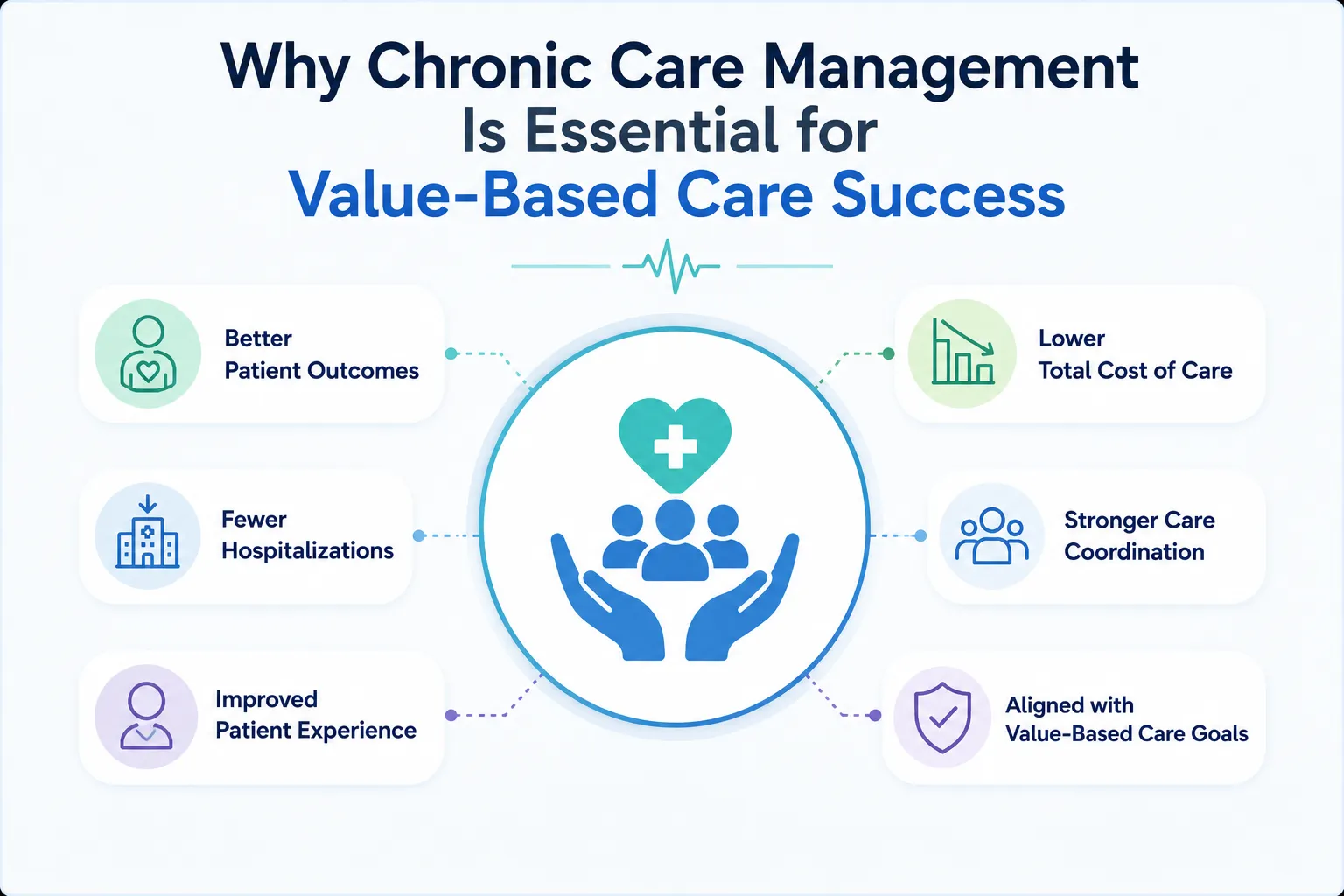
- Reduced Hospitalizations: Proactive management lowers the risk of emergency admissions and readmissions.
- Improved Medication Adherence: Regular monitoring and education help seniors take their medications correctly.
- Enhanced Quality of Life: Personalized care plans address physical, mental, and social needs, promoting overall well-being.
- Cost Savings: Preventing complications and optimizing care reduces healthcare expenditures.
- Increased Patient Satisfaction: Seniors and their families appreciate coordinated, supportive care.
How HealthArc Supports Effective Chronic Care Management Programs
At HealthArc, we understand the critical importance of adapting chronic care management programs for aging populations. Our integrated care platform is designed to streamline care coordination, enhance communication, and empower both patients and providers. With features such as remote monitoring, electronic health records, and personalized care planning, HealthArc makes it easier to deliver patient-centered care that truly meets the needs of older adults.
Our team is committed to supporting healthcare organizations as they adapt their chronic care management programs for an aging society. We provide ongoing training, technical support, and access to the latest best practices in chronic disease management.
Conclusion
With the number of older adults living with chronic conditions on the rise, adapting chronic care management programs is no longer optional—it’s essential. By embracing personalized care, leveraging technology, and addressing the unique challenges facing seniors, healthcare providers can deliver better outcomes and improve the quality of life for aging populations. As a trusted partner, HealthArc is here to help you build and implement the most effective chronic care management program for your patients.
If you’d like to learn more about how HealthArc can support your organization’s chronic care management program, contact us today for a free consultation. Together, we can create a healthier future for our aging population.
























Sign in to leave a comment.