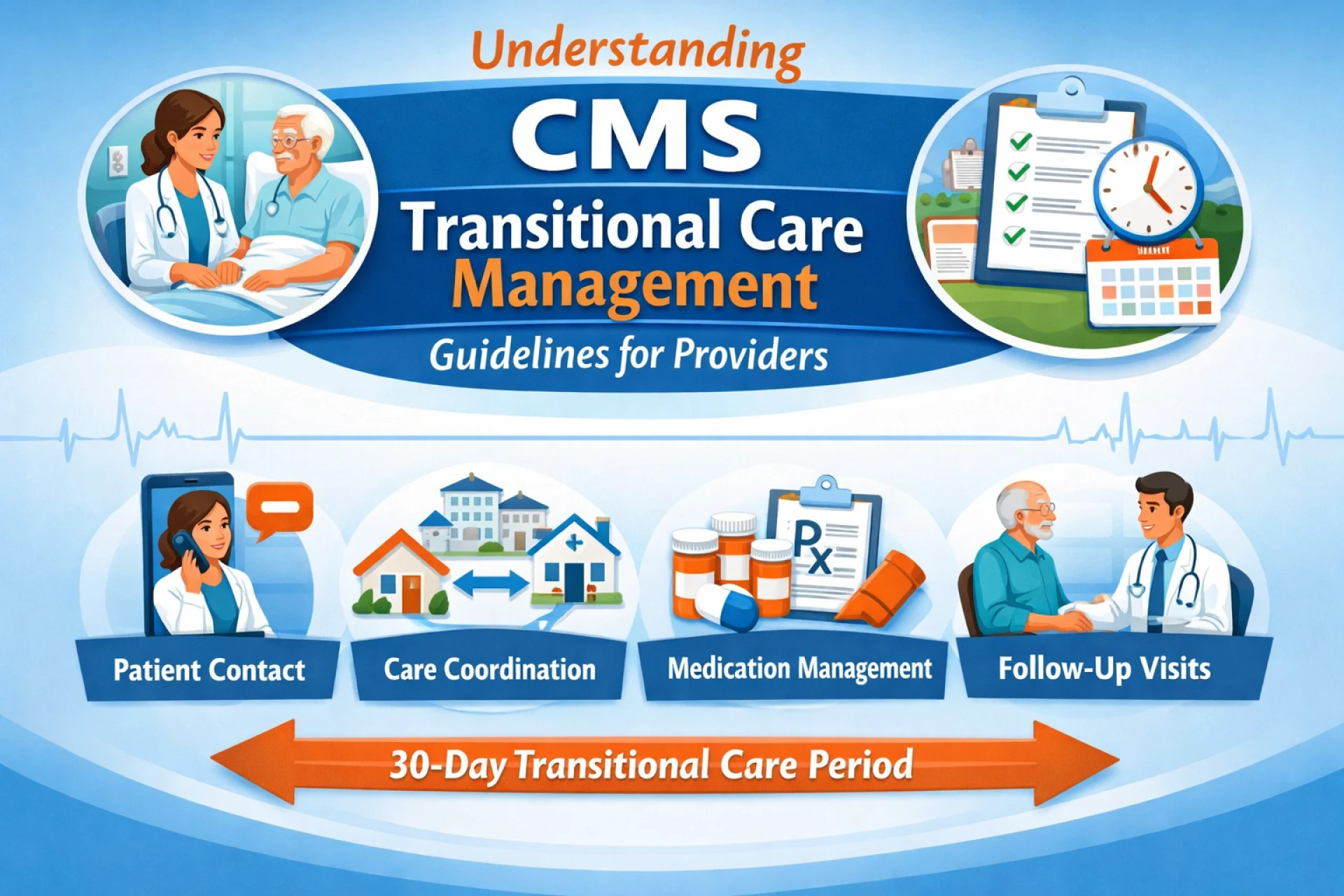

Transitional Care Management (TCM) has emerged as a vital component in today’s healthcare environment, especially for providers aiming to improve patient outcomes and reduce hospital readmissions. With the Centers for Medicare & Medicaid Services (CMS) issuing specific guidelines for transitional care management, it’s crucial for healthcare providers to understand these requirements. This article will break down the essentials of CMS transitional care management, clarify the billing process, and outline best practices to help you deliver high-quality, compliant transitional care.
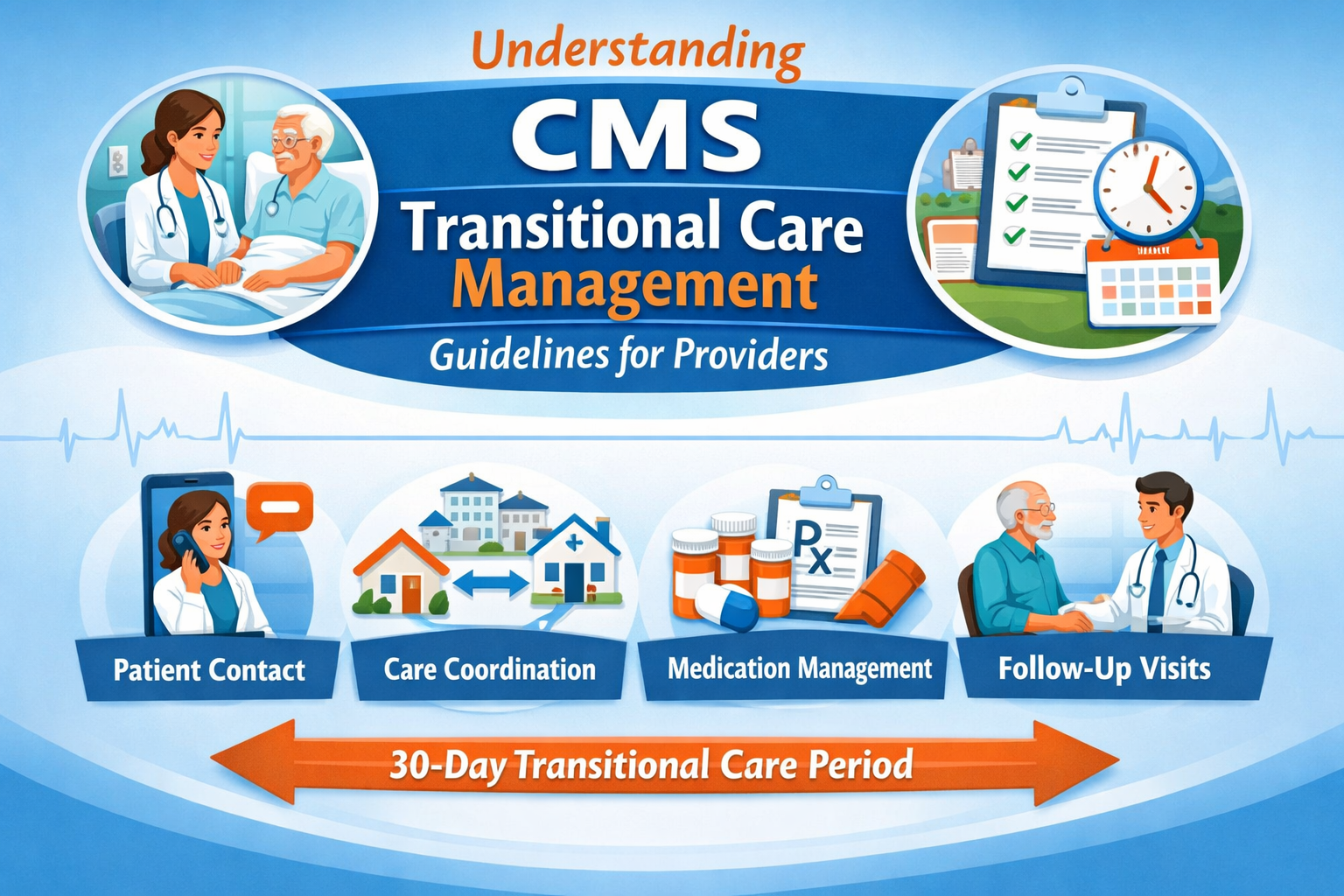
What is Transitional Care Management?
Transitional care management refers to the coordination and continuity of healthcare as patients transfer between different locations or levels of care. Most commonly, TCM services are needed when a patient is discharged from an inpatient hospital setting, such as an acute care hospital, skilled nursing facility, or rehabilitation center, and returns to their home or community setting.
The goal of CMS transitional care management is to ensure patients receive appropriate follow-up care, minimizing the risk of complications or readmissions. By following CMS guidelines, providers can not only improve patient outcomes but also receive reimbursement for their efforts.
Who Qualifies for CMS Transitional Care Management?
CMS transitional care management services are designed for patients who require moderate or high complexity medical decision-making during their transition from an inpatient setting to the community. The eligible settings include:
- Inpatient acute care hospitals
- Inpatient psychiatric hospitals
- Long-term care hospitals
- Skilled nursing facilities
- Inpatient rehabilitation facilities
- Hospital outpatient observation or partial hospitalization
- Community mental health center partial hospitalization
The patient must be discharged to their home, domiciliary, rest home, or assisted living for TCM services to apply.
Key CMS Transitional Care Management Requirements
To successfully provide and bill for CMS transitional care management, providers must meet several specific requirements:
Face-to-Face Visit
A crucial component of CMS transitional care management is a required face-to-face visit. The timing of this visit depends on the patient’s complexity:
- Within 7 days of discharge for high complexity medical decision-making
- Within 14 days of discharge for moderate complexity medical decision-making
Interactive Contact
Providers must initiate interactive contact (by phone, email, or in person) with the patient or caregiver within two business days of discharge. This contact can be made by clinical staff under the supervision of the provider.
Non-Face-to-Face Services
Additional non-face-to-face services must be provided, such as:
- Reviewing the patient’s discharge information
- Assessing the patient’s medication regimen and reconciliation
- Identifying and addressing any pending test results
- Coordinating with other healthcare providers, community agencies, and services
Billing for CMS Transitional Care Management
Understanding the billing guidelines for CMS transitional care management is essential for providers to receive proper reimbursement. Two CPT codes are used for TCM services:
CPT 99495
- Moderate complexity medical decision making
- Face-to-face visit within 14 days of discharge
CPT 99496
- High complexity medical decision making
- Face-to-face visit within 7 days of discharge
Both codes include all non-face-to-face services provided during the 30 days following discharge. Documentation must clearly support the complexity of medical decision-making and all required elements performed.
Documentation Tips for CMS Transitional Care Management
To ensure successful billing and compliance, providers should pay attention to the following documentation best practices:
- Record the date of discharge and the date of the interactive contact
- Detail all non-face-to-face services and care coordination activities
- Document the face-to-face visit, noting the complexity of decision-making
- Keep a log of communications with the patient, family, and other healthcare professionals
Benefits of CMS Transitional Care Management
Implementing CMS transitional care management has significant benefits for both providers and patients:
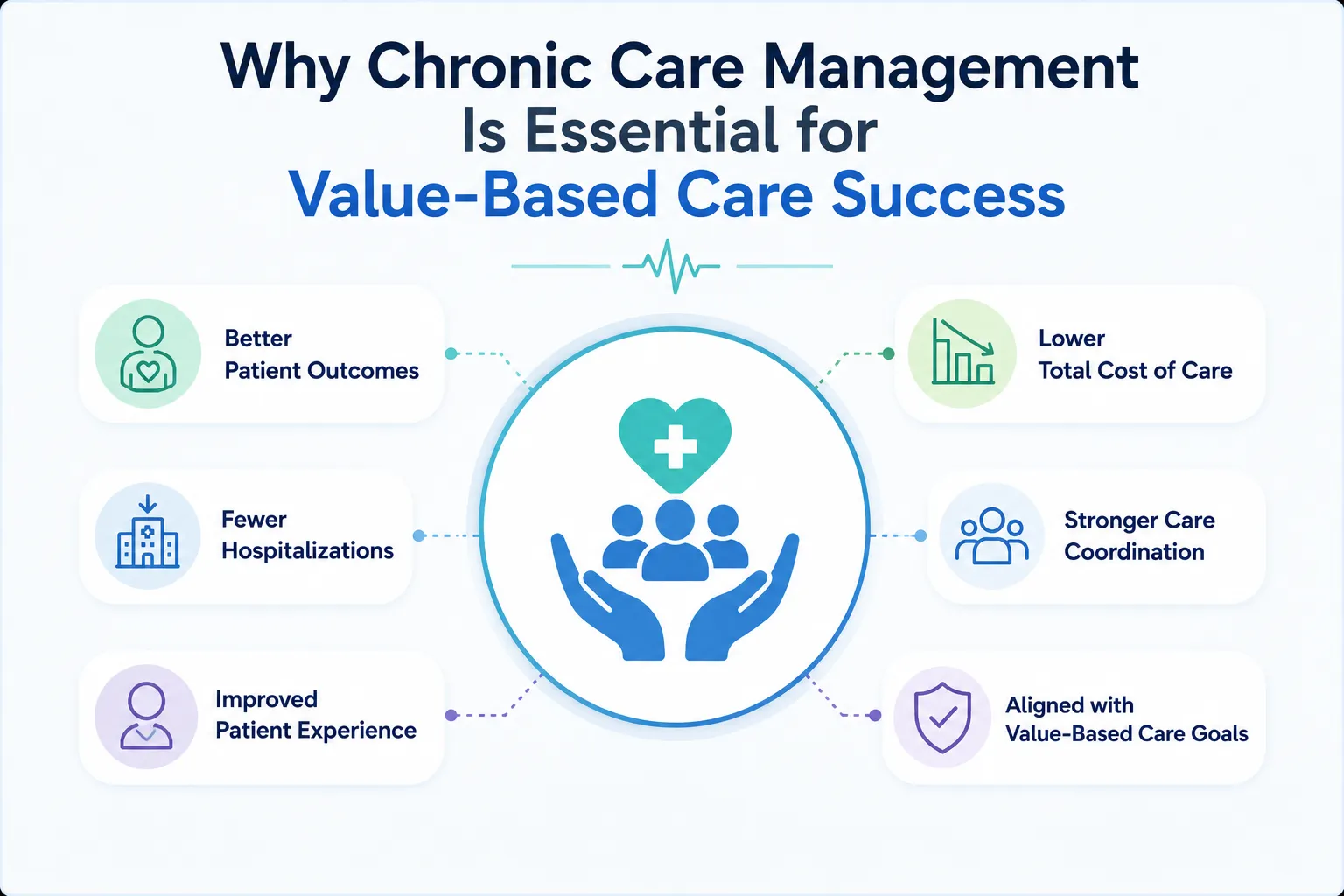
- Reduced hospital readmissions, which can improve quality metrics and lower costs
- Enhanced patient satisfaction by providing coordinated, continuous care
- Increased reimbursement opportunities for providers delivering these valued services
- Improved medication management and patient education, reducing adverse events
Best Practices for Implementing CMS Transitional Care Management
To maximize the impact of CMS transitional care management in your practice, consider these best practices:
Develop a TCM workflow
Create a standardized process for identifying eligible patients, scheduling the required contacts and visits, and documenting all activities.
Train your staff
Educate your clinical and administrative staff on the importance of TCM, the CMS guidelines, and their roles in the process.
Leverage technology
Utilize electronic health records (EHRs) and care coordination tools to streamline communication and documentation.
Collaborate with community resources
Work closely with home health agencies, social workers, and community organizations to address all aspects of the patient’s care.
Frequently Asked Questions about CMS Transitional Care Management
Who can provide TCM services?
Physicians (of any specialty), nurse practitioners, physician assistants, and certified nurse midwives may provide CMS transitional care management services.
Can TCM be billed in addition to other services?
Certain services, such as care plan oversight or chronic care management, cannot be billed concurrently with TCM during the 30-day period. However, medically necessary evaluation and management (E/M) visits unrelated to the transition may be billed separately.
How often can TCM be billed for a single patient?
TCM services can only be billed once per 30-day transition period, beginning on the date of discharge.
Conclusion
CMS transitional care management is a powerful tool for providers aiming to improve patient outcomes during the critical post-discharge period. By adhering to CMS guidelines, providers can ensure compliance, optimize reimbursement, and most importantly, deliver high-quality, patient-centered care. Whether you’re new to TCM or looking to refine your processes, understanding and implementing these guidelines is essential for success in today’s value-based healthcare environment.
If you want to learn more about optimizing your TCM workflows or integrating CMS transitional care management best practices, reach out to experts or explore resources to stay updated on the latest changes in regulations and reimbursement. By prioritizing transitional care, you can make a meaningful difference in your patients’ lives and the overall healthcare system.



























Sign in to leave a comment.