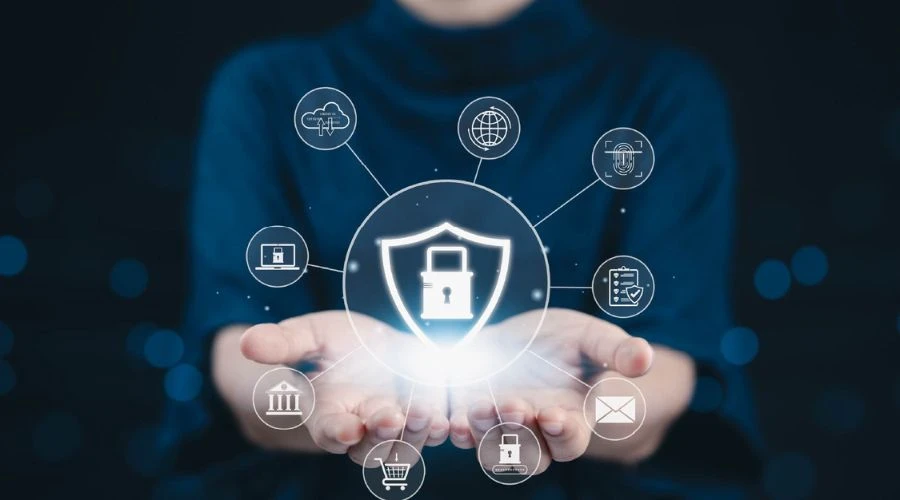

In today's digital world, securing access to sensitive information and systems has become a top priority for organizations and individuals alike. Traditional password-based systems are increasingly vulnerable to phishing attacks, credential stuffing, and brute-force intrusions. To address these challenges, advanced biometric solutions, combined with zero trust authentication and one-time password (OTP) technologies, are reshaping the cybersecurity landscape.
Biometric Authentication: The Future of Identity Verification
Biometric authentication leverages unique physiological or behavioral characteristics—such as fingerprints, facial recognition, iris scans, and voice patterns—to verify identity. Unlike traditional credentials, biometric data is difficult to replicate, making it a highly secure form of authentication. Biometric systems can be used for device unlocking, secure access to networks, or validating high-value transactions.
Advanced biometric technologies are now integrated with machine learning algorithms to enhance accuracy and detect spoofing attempts. For instance, liveness detection can identify whether a fingerprint or face is genuine or a replica, adding another layer of protection.
Zero Trust Authentication: Never Trust, Always Verify
Zero trust authentication is a cybersecurity model based on the principle that no entity—inside or outside the organization—should be automatically trusted. Instead, every access request is continuously validated using multiple factors and context-aware data, such as device health, user behavior, and geolocation.
Biometrics play a crucial role in implementing a zero trust model. By combining biometric verification with contextual signals and access policies, organizations can ensure only authorized users gain access, even if a device or network is compromised. This granular level of control significantly reduces the risk of insider threats and lateral movement by attackers.
In a zero trust environment, biometric data is typically stored and processed locally on devices to enhance privacy and reduce exposure to network breaches. Identity providers may also use biometric indicators to continuously authenticate users throughout their session rather than relying solely on login credentials.
One-Time Passwords (OTP): A Proven Layer of Security
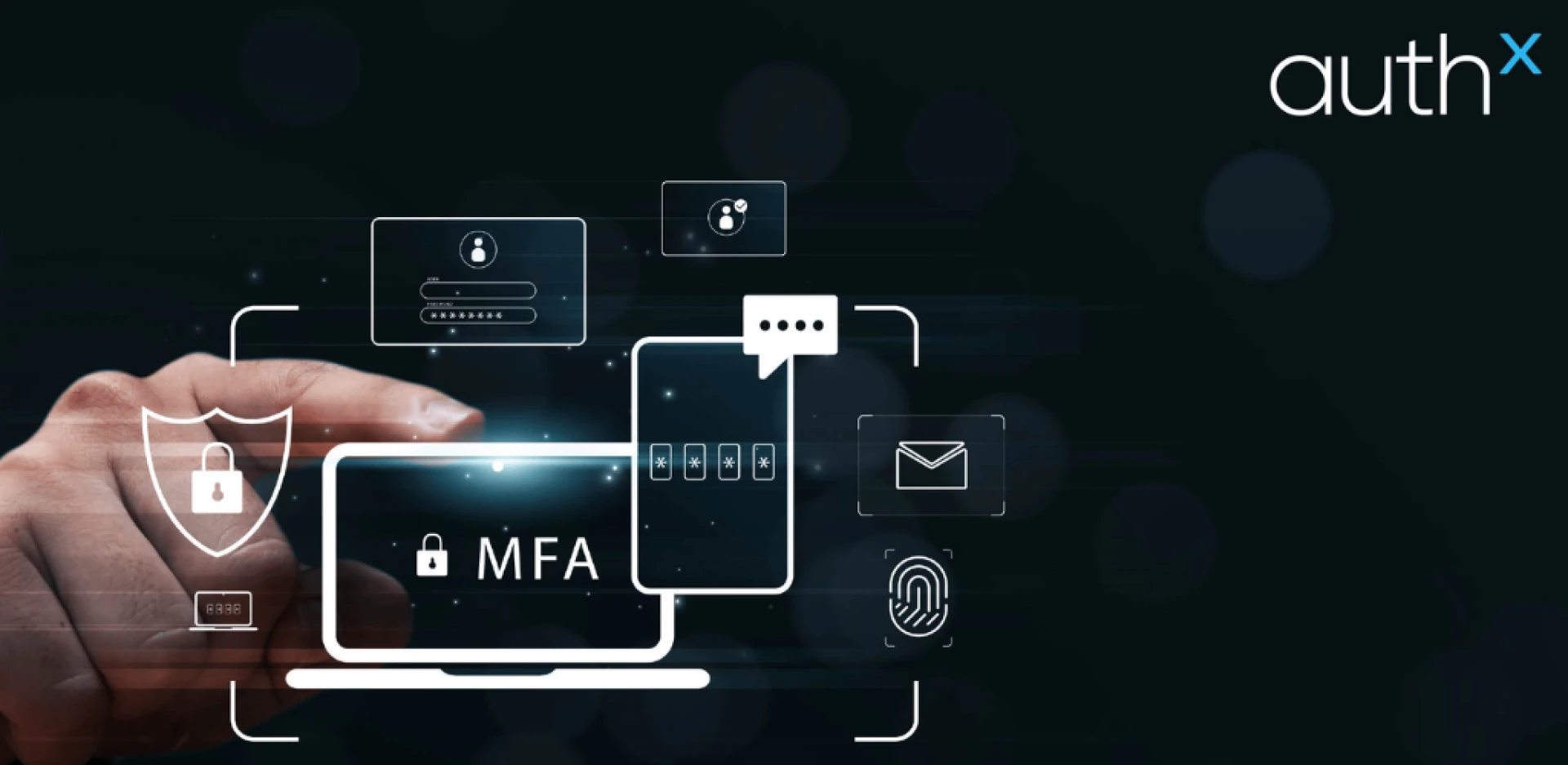
One-time password solutions offer an additional layer of security by requiring a user to input a unique, time-sensitive code in addition to their primary credentials. OTPs are typically generated through SMS, email, or authenticator apps like Google Authenticator or Microsoft Authenticator. They are a core component of multi-factor authentication (MFA) systems.
When combined with biometrics, OTPs enhance security by verifying the user through both “what you are” and “what you have.” For example, a user might unlock their device with facial recognition and then enter an OTP to complete a transaction. This dual-layer approach mitigates the risk of unauthorized access, even if one factor is compromised.
Conclusion
As cyber threats grow in sophistication, advanced biometric solutions, zero trust authentication, and OTPs are becoming essential components of a modern security strategy. Together, these technologies offer a comprehensive approach that balances usability with robust protection. Organizations that adopt these solutions not only safeguard sensitive data but also build trust with users and clients by demonstrating a commitment to security and privacy.






















Sign in to leave a comment.