
In today’s digitally connected world, managing user access to data and systems has become a top priority for organizations. Identity and Access Management (IAM) solutions play a crucial role in ensuring that the right individuals have appropriate access to technology resources while keeping unauthorized users out. These solutions are not only vital for data security but also for regulatory compliance, operational efficiency, and user experience.
What Are IAM Solutions?
IAM solutions refer to a framework of technologies and policies designed to ensure that only authenticated and authorized individuals can access the resources they need. At their core, IAM systems manage digital identities by assigning, modifying, and revoking access rights across various IT environments—on-premises, in the cloud, or in hybrid infrastructures.
IAM solutions encompass a wide range of components, including:
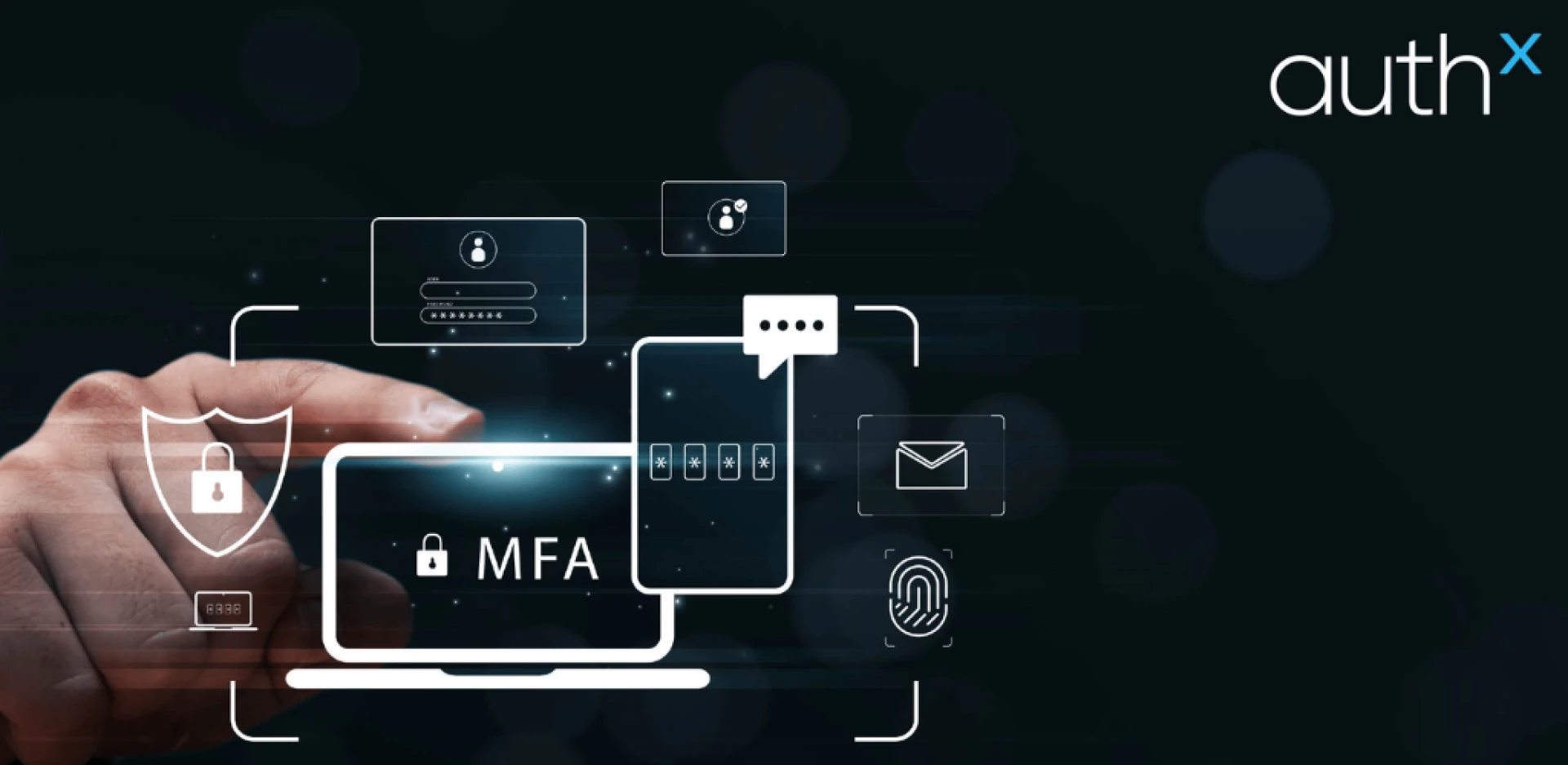
- Authentication – verifying a user’s identity using credentials like passwords, biometrics, or multi-factor authentication (MFA).
- Authorization – defining and managing what resources users can access and what actions they can perform.
- User provisioning – automating the process of adding, changing, or removing user accounts across multiple systems.
- Single Sign-On (SSO) – enabling users to access multiple applications with one set of login credentials.
- Role-Based Access Control (RBAC) – assigning permissions to users based on their job roles.
Benefits of IAM Software
IAM software is the technological backbone of identity and access management solutions. These platforms offer centralized tools for identity governance and access control, often enhanced with AI-driven analytics, automation, and reporting capabilities. Some key benefits of IAM software include:
- Improved Security: By enforcing strong authentication, limiting access based on roles, and providing visibility into access patterns, IAM software helps organizations minimize the risk of insider threats, data breaches, and unauthorized access.
- Regulatory Compliance: IAM systems help organizations comply with industry regulations such as GDPR, HIPAA, and SOX by providing audit trails, access logs, and policies that enforce data protection standards.
- Operational Efficiency: Automated provisioning and self-service password resets reduce the workload on IT departments, while SSO simplifies access for users, improving productivity.
- Enhanced User Experience: By streamlining login processes and ensuring users can quickly access the tools they need, IAM solutions contribute to better employee and customer experiences.
Leading IAM Software Providers
There are many IAM software providers, each offering a range of features tailored to different organizational needs. Some of the most prominent include:
Authx: With AuthX’s IAM integration, your company can provide a turnkey solution for providing effective authentication to existing users.
- Okta: Cloud-based IAM solution known for its ease of integration and robust SSO and MFA features.
- Microsoft Entra ID (formerly Azure AD): A comprehensive identity platform for managing users across Microsoft and third-party applications.
- Ping Identity: Focuses on enterprise-grade IAM with strong authentication and adaptive access controls.
- CyberArk: Specializes in privileged access management (PAM), a critical component of IAM focused on securing high-level accounts.
Conclusion
IAM solutions are no longer optional—they are essential for any organization looking to secure its digital assets and ensure seamless user access. By implementing robust IAM software, companies can enhance security, ensure compliance, and improve both user satisfaction and operational efficiency. As the digital landscape continues to evolve, investing in advanced IAM tools is a strategic move for long-term success.




























Sign in to leave a comment.