Understanding Authentication and Authorization in Cybersecurity
In the digital world, authentication and authorization are two foundational pillars of cybersecurity. Though often used interchangeably, they serve distinct purposes. Authentication verifies the identity of a user or system, while authorization determines what resources that authenticated entity can access. Understanding both is crucial to maintaining secure systems.
Authentication: Proving Identity
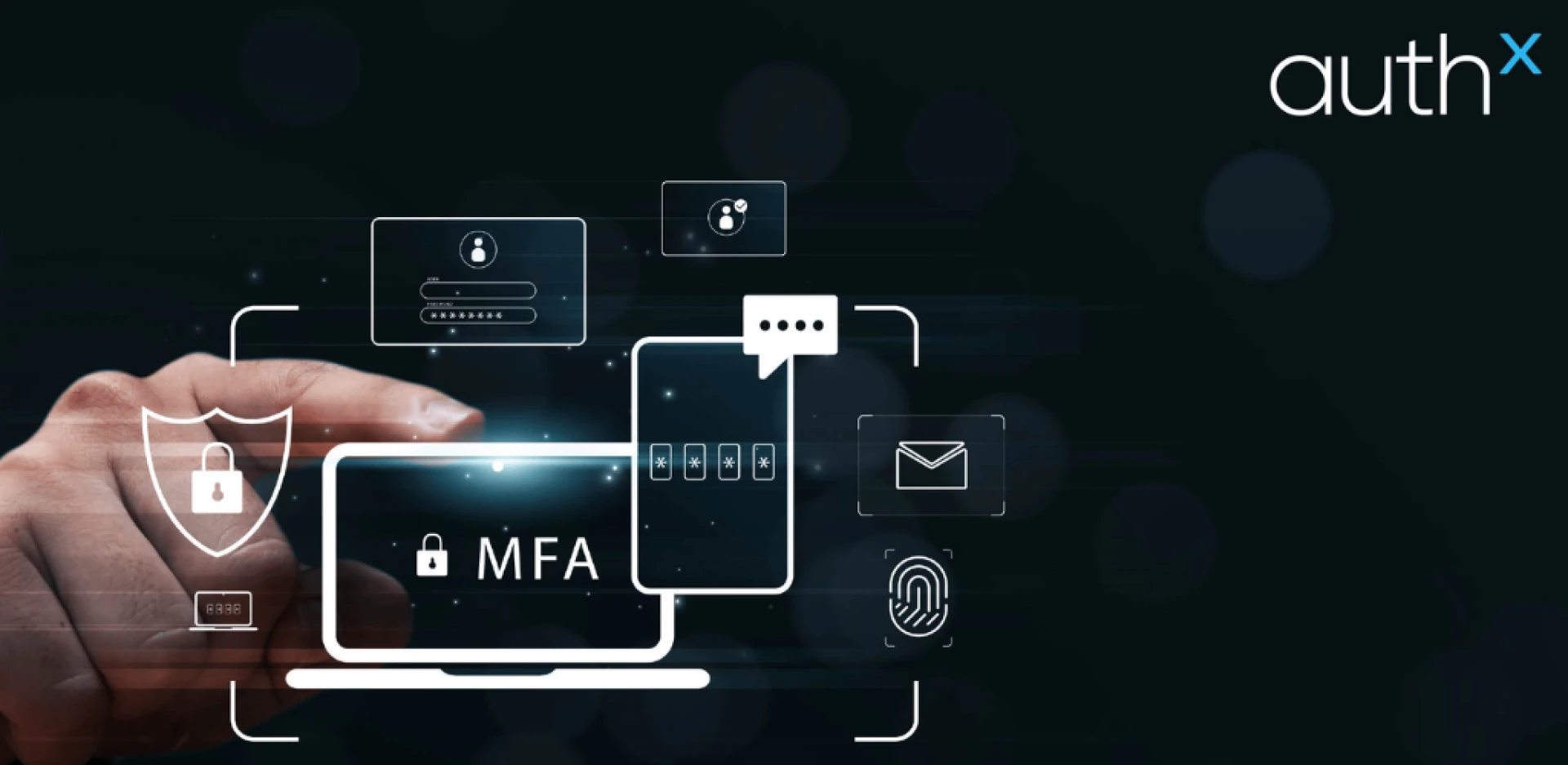
Authentication is the process of confirming that someone is who they claim to be. This typically involves one or more of the following factors:
- Something you know (e.g., passwords, PINs)
- Something you have (e.g., security tokens, smart cards)
- Something you are (e.g., biometric data)
While password-based authentication remains the most common method, it is also one of the most vulnerable. Attackers can use techniques such as rainbow table attacks to crack password hashes and gain unauthorized access.
Rainbow tables are precomputed tables containing the hash values of passwords. Since storing passwords in plaintext is dangerous, systems usually store a hashed version. However, if an attacker can find a matching hash in a rainbow table, they can reverse-engineer the original password. To combat this, modern systems use salting—adding random data to each password before hashing, making rainbow table attacks far less effective.
Authorization: Granting Access
Once a user is authenticated, authorization determines what they are allowed to do. For instance, in a file-sharing application, one user may only have permission to view files, while another may be authorized to upload or delete them. Authorization mechanisms typically involve role-based access control (RBAC) or attribute-based access control (ABAC), which define what resources users can access based on their identity, group membership, or context.
Authorization systems must be tightly integrated with authentication mechanisms to ensure that only legitimate users receive appropriate levels of access. A poorly implemented authorization system can lead to privilege escalation and data breaches.
Privileged Access Management (PAM)
One of the most critical aspects of authorization is controlling privileged access—the ability to perform administrative tasks or access sensitive data. This is where Privileged Access Management (PAM) solutions come into play.
PAM solutions help organizations secure, manage, and monitor privileged accounts. These tools:
- Enforce least-privilege policies by ensuring users only have the access they need.
- Secure credentials with vaulting and automatic password rotation.
- Monitor privileged sessions to detect suspicious activity.
- Provide auditing and compliance reporting.
By implementing PAM, organizations can significantly reduce the risk of insider threats and external attacks targeting high-level access accounts.
Conclusion
In summary, authentication and authorization are core components of a secure IT environment. Authentication ensures users are who they claim to be, while authorization controls what they can do. Defenses like salting mitigate risks from rainbow table attacks, and Privileged Access Management ensures that sensitive access is tightly controlled and monitored. As cyber threats grow in sophistication, mastering these security fundamentals becomes not just important—but essential.



























Sign in to leave a comment.