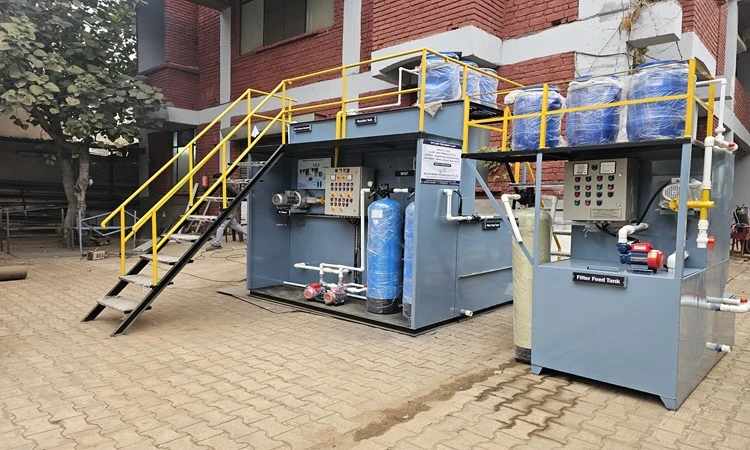

Effluent treatment plant (ETPs) play a critical role in treating industrial wastewater before it is released into the environment. With increasing industrialization, the need for effective wastewater management has become more significant than ever. An Effluent Treatment Plant (ETP) is designed to remove contaminants such as organic matter, heavy metals, chemicals, and toxins from industrial effluents, ensuring compliance with environmental regulations.
In this comprehensive guide, we will explore the importance, working principles, types, benefits, and applications of effluent treatment plants, along with an insight into their role in environmental sustainability.
Understanding Effluent Treatment Plant
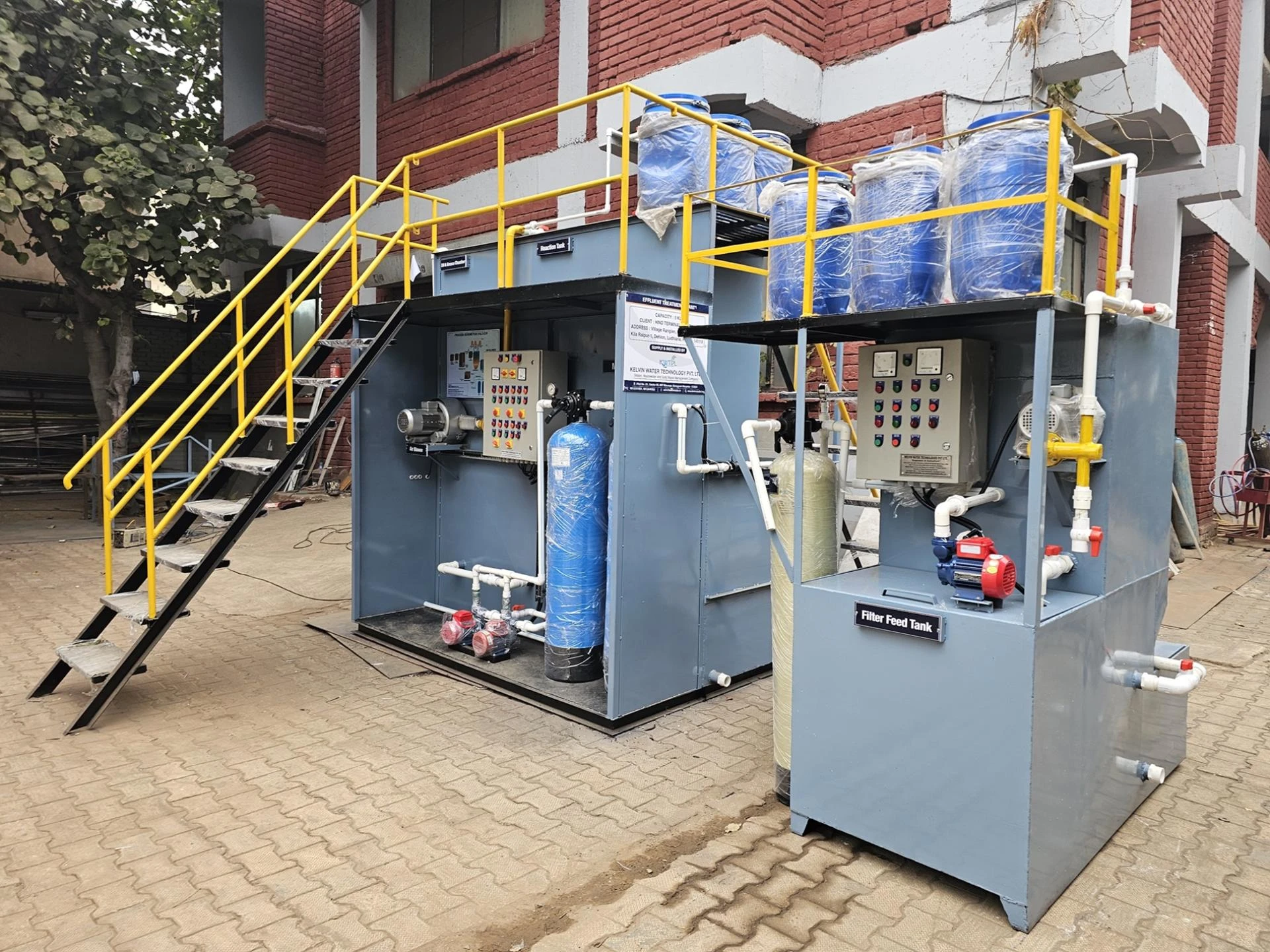
An Effluent Treatment Plant (ETP) is a facility that treats industrial wastewater to reduce pollutants, making the water suitable for discharge or reuse. Industries such as textiles, pharmaceuticals, chemicals, food processing, and paper manufacturing generate large volumes of wastewater containing hazardous contaminants. Without proper treatment, these effluents can cause severe environmental and health issues.
Importance of Effluent Treatment Plant
- Environmental Protection: Prevents the contamination of natural water bodies by removing harmful pollutants.
- Regulatory Compliance: Ensures that industries meet wastewater discharge standards set by pollution control boards.
- Water Conservation: Treated water can be recycled for industrial processes, reducing freshwater consumption.
- Public Health Safety: Eliminates toxic substances that can cause diseases in humans and animals.
- Sustainable Industrial Practices: Promotes eco-friendly production methods by minimizing waste discharge.
Working Principles of Effluent Treatment Plant
ETPs operate through several stages to purify wastewater efficiently. The process involves physical, chemical, and biological treatments to remove contaminants. Below is a breakdown of the essential stages in an effluent treatment plant:
1. Preliminary Treatment
This stage removes large solid particles, grit, and oils from the wastewater to prevent damage to downstream processes. Key steps include:
- Screening: Removal of large debris such as plastic, leaves, and paper.
- Grit Removal: Separating sand and heavy particles to prevent clogging.
- Oil and Grease Removal: Using skimming tanks to remove floating oil and grease.
2. Primary Treatment
This step focuses on the settling and removal of suspended solids through sedimentation. It includes:
- Primary Clarifier: Allows heavier solids to settle at the bottom while oils float on top for easy removal.
- Chemical Coagulation & Flocculation: Addition of coagulants (e.g., alum) to form flocs, which settle quickly.
3. Secondary Treatment (Biological Treatment)
The biological stage uses microorganisms to decompose organic pollutants. Common methods include:
- Activated Sludge Process (ASP): Bacteria break down organic matter in aeration tanks.
- Trickling Filters: Wastewater passes through a bed of stones or plastic media, where bacteria break down contaminants.
- Membrane Bioreactor (MBR): Combines biological treatment with membrane filtration for high-efficiency purification.
4. Tertiary Treatment (Advanced Filtration and Disinfection)
This step ensures high-quality effluent by using advanced filtration and disinfection techniques. It includes:
- Sand and Carbon Filtration: Removes fine particles, colour, and Odor.
- Reverse Osmosis (RO): Eliminates dissolved solids and heavy metals.
- UV Disinfection or Chlorination: Kills bacteria, viruses, and pathogens before discharge.
5. Sludge Treatment and Disposal
Effluent treatment produces sludge as a by-product. Proper sludge management is crucial and includes:
- Sludge Thickening: Reducing water content for easier handling.
- Dewatering: Using filter presses or centrifuges to extract moisture.
- Safe Disposal or Utilization: Treated sludge can be used as fertilizer or sent to incineration.
Types of Effluent Treatment Plants
Different industries require specialized ETPs based on the nature of their effluents. The major types include:
1. Chemical-Based ETPs
Used in industries like pharmaceuticals and chemicals where toxic and hazardous pollutants need neutralization.
2. Biological ETPs
Used in food processing and beverage industries where organic contaminants are treated using microbial activity.
3. Membrane-Based ETPs
These plants use advanced membrane filtration (such as Reverse Osmosis and Ultra-Filtration) to remove dissolved contaminants.
4. Zero Liquid Discharge (ZLD) Systems
Designed to recover and reuse every drop of wastewater, ensuring no discharge into the environment.
Benefits of Effluent Treatment Plant
Investing in a high-quality ETP provides numerous advantages for industries and the environment:
- Reduces Water Pollution: Treated effluents are free from harmful contaminants.
- Cost Savings: Water reuse minimizes the need for fresh water, reducing costs.
- Compliance with Laws: Avoids penalties and legal actions due to environmental violations.
- Enhances Corporate Social Responsibility (CSR): Improves the company’s sustainability image.
- Promotes Circular Economy: Efficient water recycling supports sustainable industrial practices.
Industries That Require Effluent Treatment Plants
Effluent treatment is necessary for industries that generate large volumes of wastewater. Key sectors that use ETPs include:
- Textile and Dyeing Industries
- Pharmaceutical and Chemical Factories
- Food and Beverage Processing Units
- Petrochemical and Refinery Plants
- Paper and Pulp Industries
- Automobile and Metal Manufacturing Units
Effluent Treatment and Environmental Regulations
Governments worldwide impose strict regulations on wastewater discharge. In India, Central Pollution Control Board (CPCB) guidelines mandate industries to install ETPs to prevent environmental damage. Non-compliance can result in fines, legal actions, or business shutdowns.
Key Standards for Industrial Wastewater Treatment:
- Biochemical Oxygen Demand (BOD) and Chemical Oxygen Demand (COD) Limits
- Total Suspended Solids (TSS) and pH Balance Regulations
- Heavy Metal Concentration Restrictions
Conclusion
Effluent Treatment Plants (ETPs) are a crucial component of modern industrial infrastructure, ensuring safe and sustainable wastewater management. By investing in a high-quality ETP, industries can comply with regulations, reduce environmental impact, and promote water conservation. With ongoing advancements in technology, the future of wastewater treatment is becoming more efficient, eco-friendly, and cost-effective.
As industries move towards sustainable operations, effluent treatment plants will continue to play a vital role in preserving water resources and protecting public health. If you are an industry owner looking for customized ETP solutions, now is the time to explore advanced wastewater treatment technologies and contribute to a cleaner, greener future.



























Sign in to leave a comment.