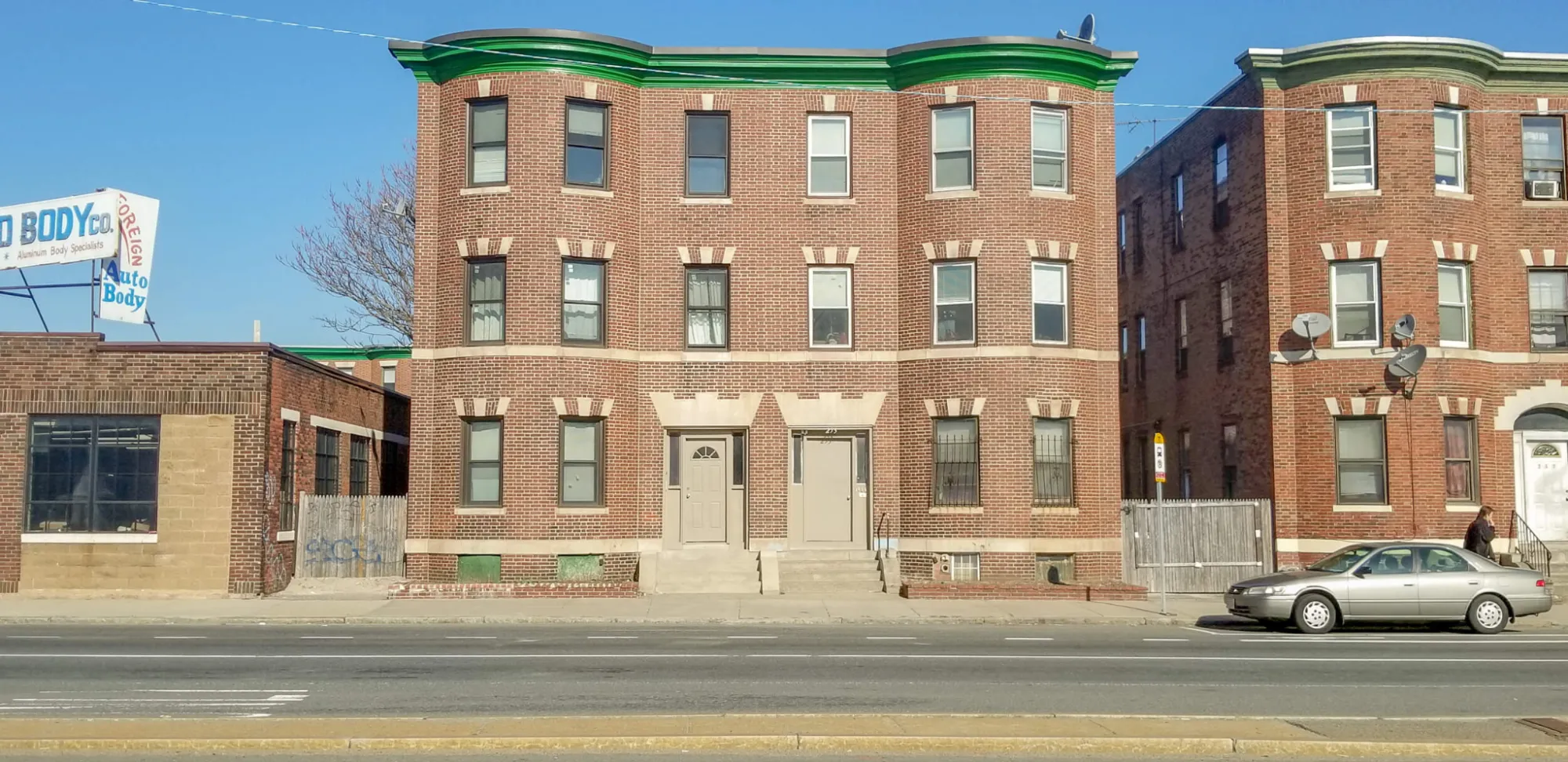

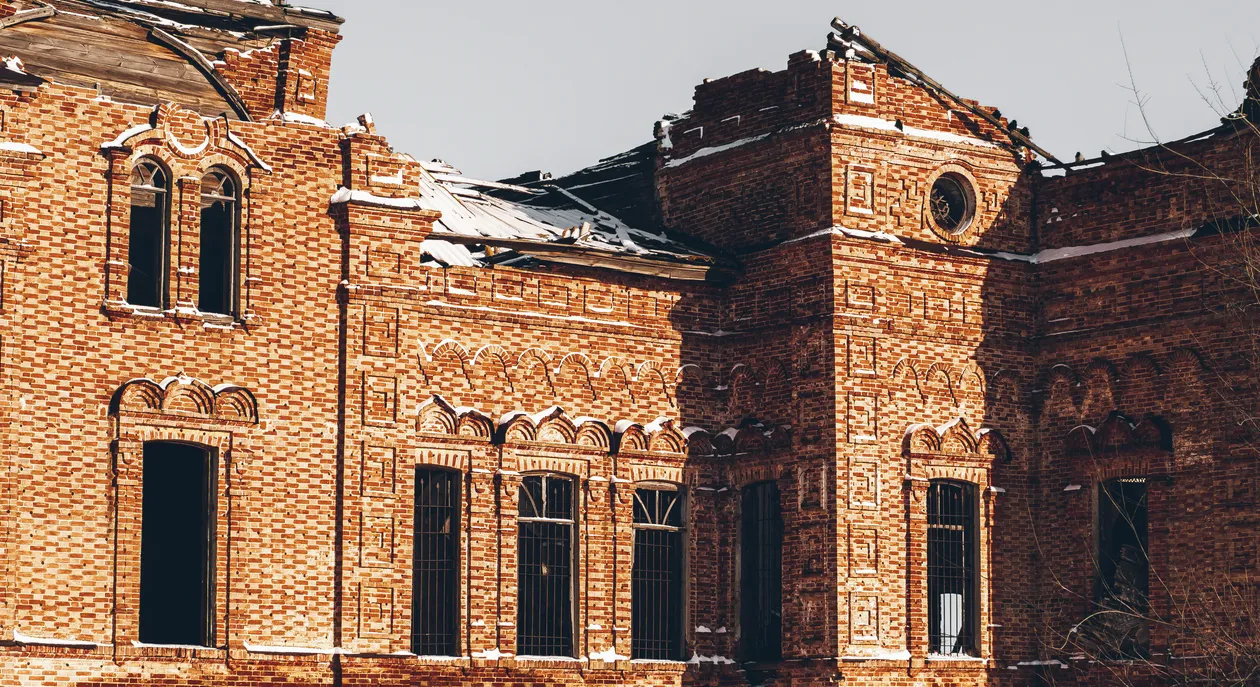
Commercial buildings are expected to withstand decades of use while supporting significant structural loads and exposure to environmental conditions. Over time, however, even the most durable masonry systems can experience deterioration due to age, moisture intrusion, settlement, weather exposure, and increased structural demands. When these issues affect load-bearing walls, stone elements, or critical structural components, advanced masonry repair techniques become essential to maintaining both safety and functionality.
Modern commercial restoration projects often require a combination of traditional masonry craftsmanship and engineering expertise. From reinforcing aging walls to replacing damaged stone and addressing structural deficiencies, these specialized solutions help extend the lifespan of commercial properties while preserving their architectural integrity.
This blog explores the advanced repair methods commonly used in commercial masonry restoration and the engineering considerations that support successful long-term outcomes.
Why Structural Masonry Repairs Require Specialized Expertise
Unlike cosmetic masonry repairs, structural restoration focuses on elements that directly affect a building's stability and load-carrying capacity. Commercial buildings often contain complex masonry systems that support multiple floors, roofing assemblies, and other critical structural components.
As buildings age, deterioration can compromise the performance of these systems. Cracked masonry, displaced stone, weakened mortar joints, and water-related damage may all contribute to structural concerns that require more than routine maintenance.
Professional commercial restoration contractors in Boston understand the importance of identifying the root causes of deterioration before implementing repair solutions. This approach helps ensure that repairs address both visible damage and underlying structural issues.
Advanced Structural Masonry Repair Techniques
Modern commercial restoration projects utilize a variety of specialized repair methods designed to strengthen masonry systems and restore structural performance.
The following techniques are commonly used in complex restoration projects.
Structural Reinforcement Systems
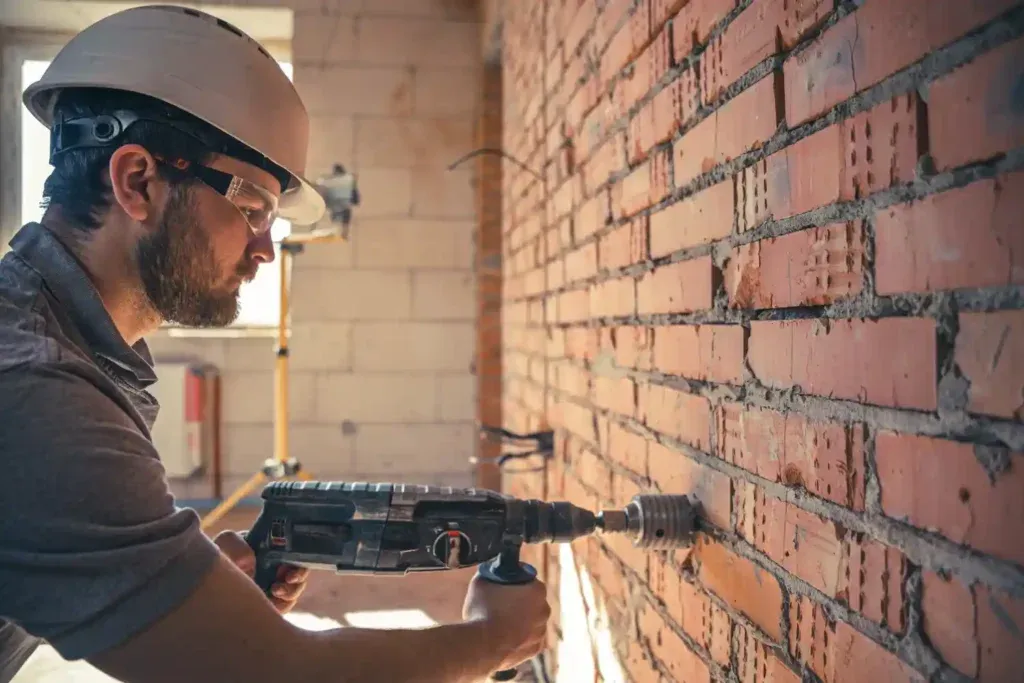
When masonry walls lose strength due to age or deterioration, reinforcement systems may be installed to improve load-bearing capacity and stability. These systems can include concealed anchors, reinforcement bars, masonry stitching techniques, and engineered support components designed to integrate with existing construction.
The goal of structural reinforcement is to enhance performance without significantly altering the building's appearance. This is especially important for historic commercial properties where preserving architectural character remains a priority.
Stone Replacement and Restoration
Stone elements often serve both structural and decorative functions in commercial buildings. Over time, weather exposure, moisture infiltration, and environmental pollutants can contribute to cracking, erosion, and material loss.
Professional stone lintel repair & replacement projects often involve carefully removing damaged sections and installing replacement materials that match the original stone in appearance and performance. Restoration specialists work to preserve as much of the existing structure as possible while ensuring the repaired elements meet modern structural expectations.
Load-Bearing Wall Repairs
Load-bearing walls play a critical role in transferring structural loads throughout a building. Damage to these walls can affect overall stability and may require immediate attention.
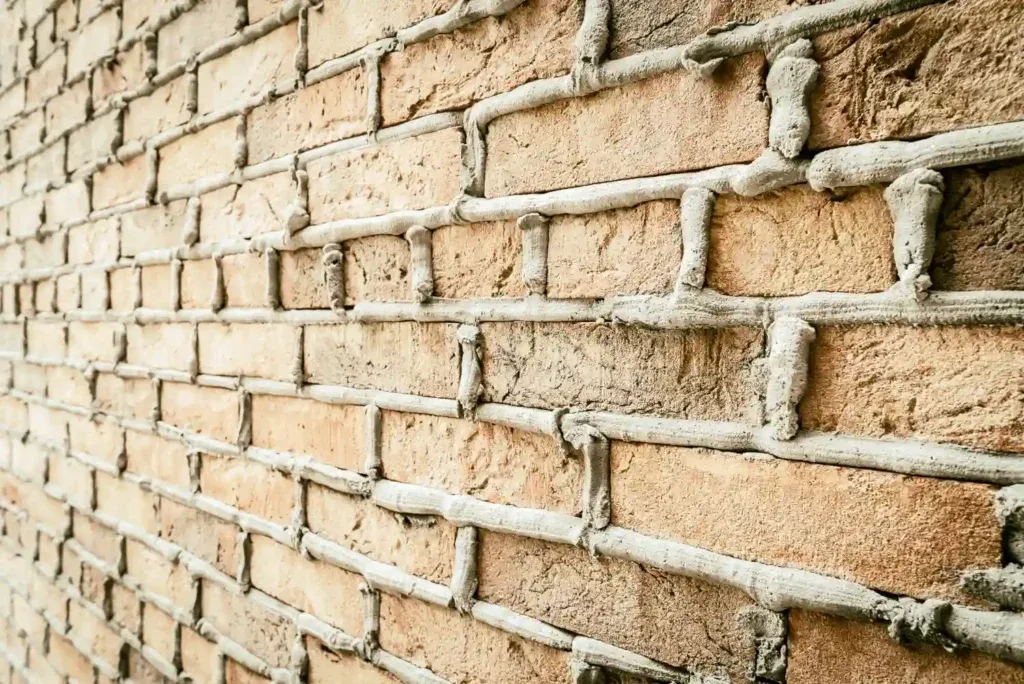
Repair methods may include selective masonry reconstruction, reinforcement installation, mortar restoration, and structural stabilization techniques. These solutions help restore the wall's ability to safely support building loads while extending the lifespan of the masonry system.
Addressing Water-Related Structural Deterioration
Moisture intrusion is one of the leading causes of masonry deterioration in commercial properties. Water can weaken mortar joints, corrode embedded materials, contribute to freeze-thaw damage, and accelerate structural decline.
As a result, restoration projects often incorporate moisture management strategies alongside structural repairs. Waterproofing improvements, drainage corrections, and masonry sealing systems help reduce future exposure to water-related damage.
Many property owners combine structural restoration with foundation waterproofing solutions to provide additional protection for critical building components and reduce the likelihood of recurring issues.
Strengthening Commercial Properties Through Expert Restoration
AMN Masonry provides professional restoration solutions for commercial properties throughout Boston and surrounding communities. Their experienced team specializes in commercial restoration services, structural masonry repairs, stone replacement, waterproofing solutions, concrete restoration, and preservation projects designed to enhance durability and performance.
Contact AMN Masonry today to learn how their expertise can help protect and strengthen your commercial property.
Author Bio
The author is a construction and infrastructure writer with a focus on commercial restoration, structural repair, and building preservation. He regularly creates educational content about advanced construction techniques and enjoys helping property owners understand the value of proactive maintenance and long-term structural planning.






















Sign in to leave a comment.