Building retrofits often struggle with insulation thickness, façade detailing, and space loss around interior walls. This blog explains how aerogel insulation supports high-performance thermal upgrades where architects and contractors need a slimmer retrofit solution.
Commercial building retrofits rarely happen on a blank canvas. Older offices, hospitals, institutional buildings, hotels, and mixed-use properties often need thermal upgrades without major structural changes or major loss of usable floor area. That sounds simple until insulation enters the discussion. Wall upgrades can quickly affect façade detailing, window reveals, service penetrations, and interior room dimensions. In many retrofit projects, the challenge is not whether insulation is needed, but whether it can be added without creating a chain of practical design problems.
Traditional insulation systems often become difficult in exactly these situations. If insulation is added internally, thicker materials reduce usable space and complicate detailing around columns, skirting, services, and window junctions. If the upgrade is external, added build-up may affect façade lines, cladding supports, drainage details, and parapet conditions. In heritage-sensitive or space-constrained projects, simply increasing insulation thickness is not always a workable answer.
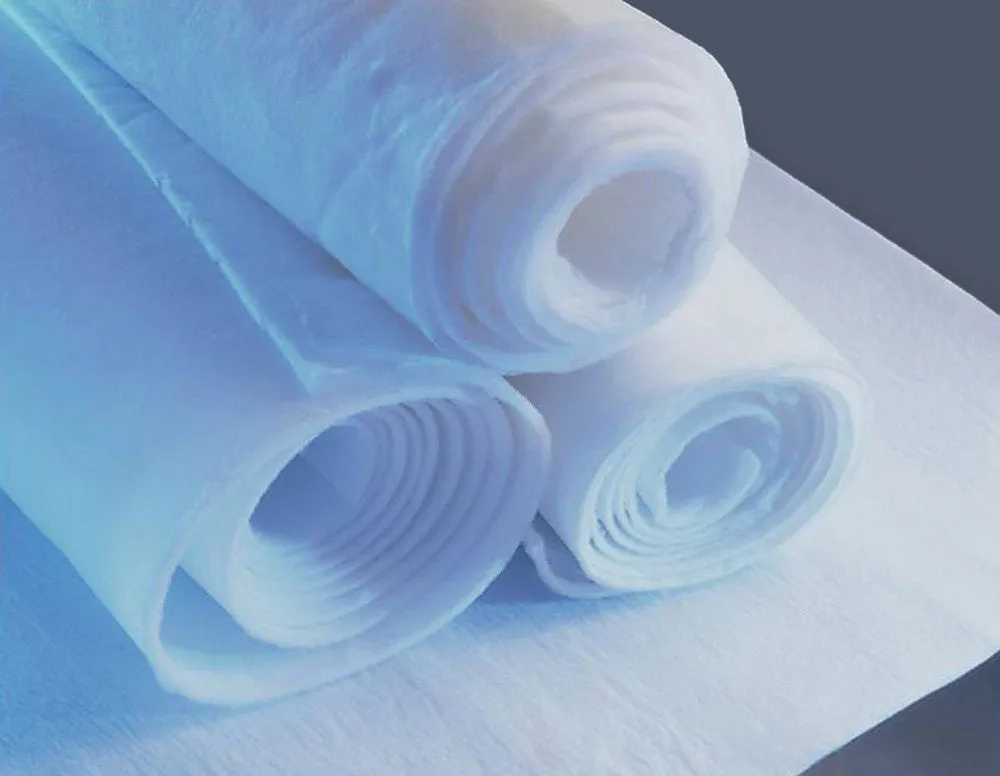
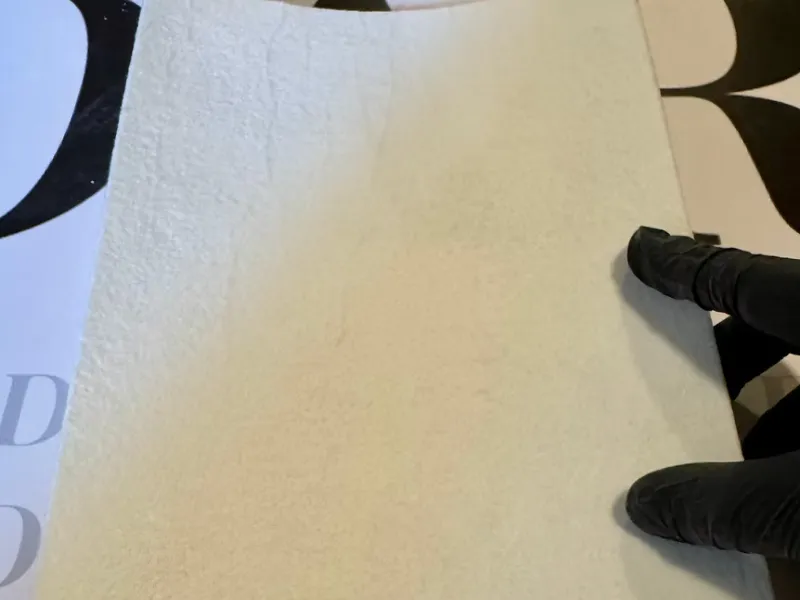
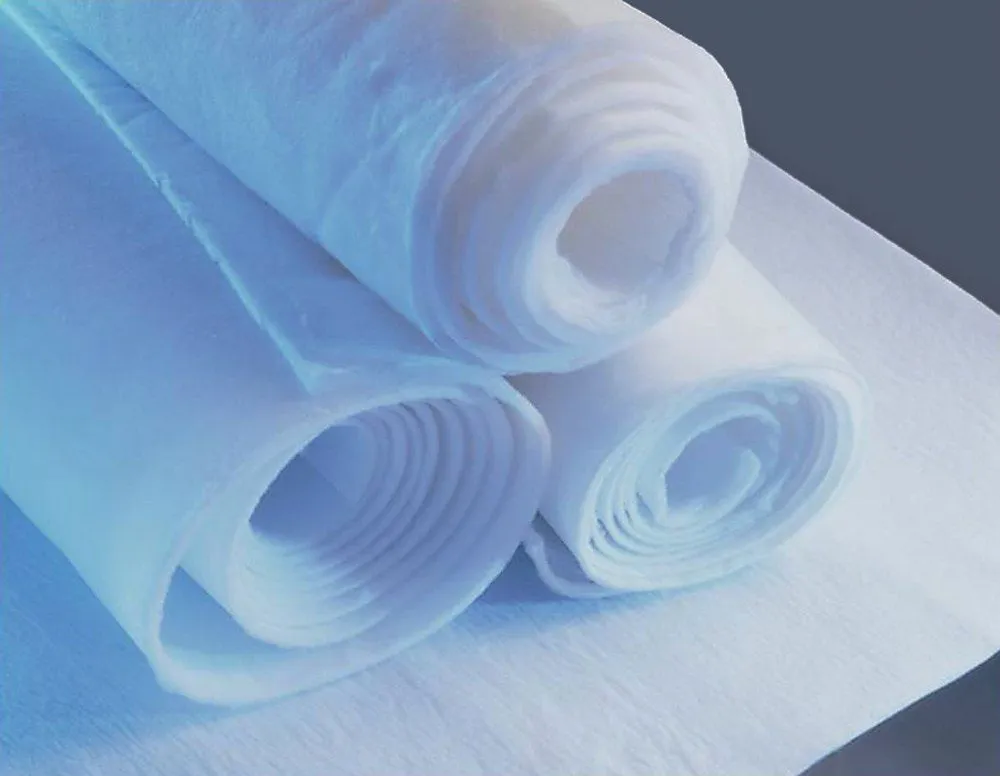
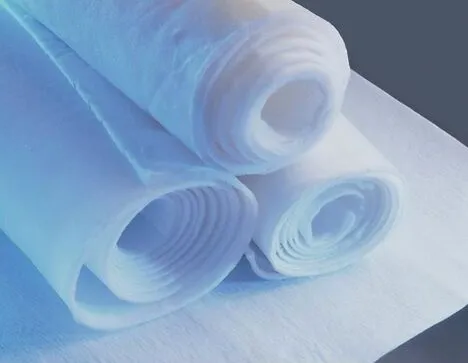
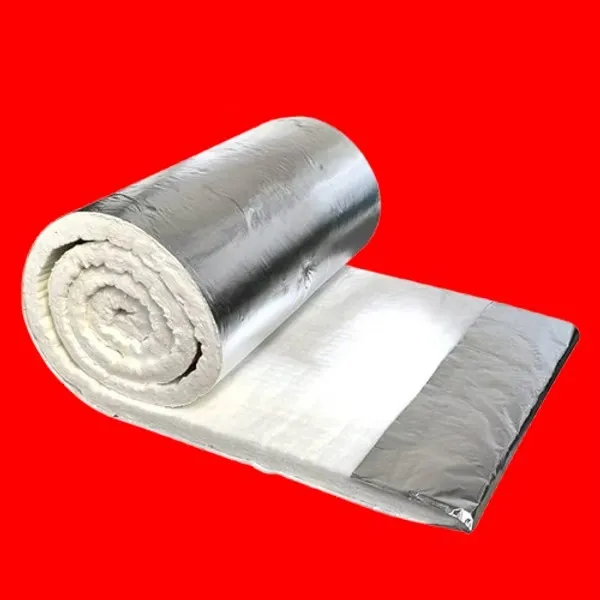
This is where Aerogel insulation India becomes especially relevant for façade retrofits. Aerogel-based insulation provides high thermal resistance in a much thinner profile than many conventional systems. That gives architects and retrofit consultants more flexibility when they need to improve wall performance without dramatically changing façade depth or sacrificing interior floor area. In compact rooms, service corridors, stair cores, and refurbishment zones around window perimeters, a thin insulation layer can solve a problem that thicker materials only make worse.
The practical benefit is not limited to thermal performance. Retrofit construction usually happens in live buildings where contractors are working around occupants, existing finishes, fixed service routes, and tight work windows. A compact insulation system can simplify detailing in awkward areas and reduce the extent of disruption needed to achieve the required performance target. It can also help around structural junctions and service penetrations where conventional insulation thickness may clash with real site conditions.
For owners and consultants, the value of aerogel in retrofit work is often about what it prevents as much as what it adds. A slimmer system can reduce the need for major adjustments to façade geometry, help preserve rentable space, improve comfort near external walls, and support energy-efficiency upgrades without turning the project into a major reconstruction exercise. That is particularly useful in premium buildings where every square metre matters.
When buyers compare Aerogel insulation price in India, the discussion should go beyond material cost per square metre. Retrofit insulation should be judged on how well it solves real project constraints: space loss, detailing complexity, occupant disruption, and long-term thermal performance. A thinner system that makes the retrofit workable can deliver more value than a cheaper material that forces design compromises everywhere else.
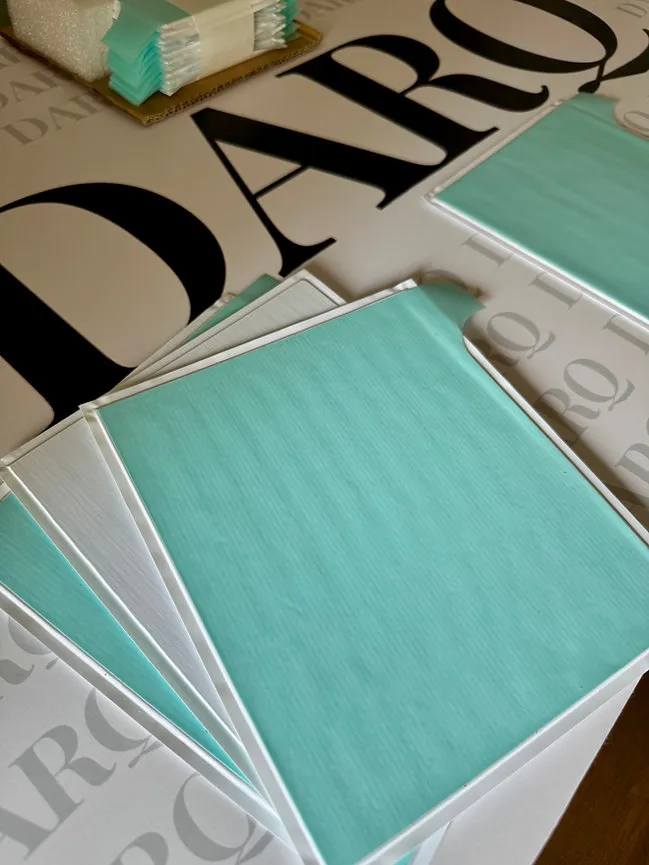
DARQ Industries supports architects, contractors, consultants, and building owners with aerogel insulation solutions for façade retrofits, interior wall upgrades, and space-constrained building envelopes. If your project needs better thermal performance without bulky wall build-up, DARQ can help evaluate the right retrofit insulation strategy.

























Sign in to leave a comment.