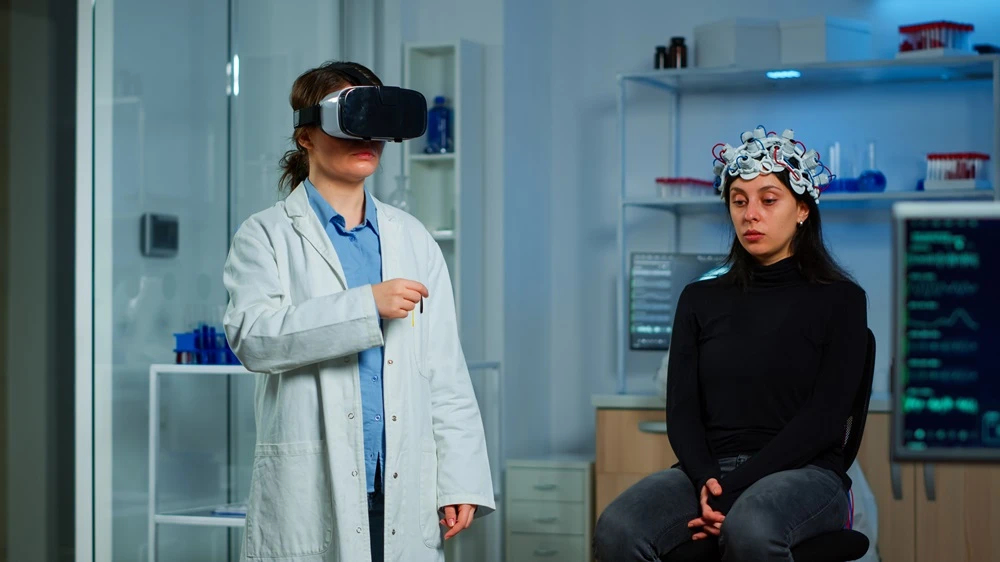

We understand very well technology is growing quickly. You can easily see technology in your phones, tablets, appliances and now even in therapy spaces. Some people in Australia want to know about these changes in technology. People want to know how AI might support or shape the future of allied health. We hear these questions often especially from families who are already juggling appointments routines and different support teams. They want to understand what AI means for real people. They want reassurance that therapy will still feel personal respectful and grounded in human connection.
The truth is that AI is not here to replace therapists or push people aside. It is a tool. A tool that when used responsibly can help create smoother sessions clearer plans and more confident outcomes. It can support NDIS Psychology Services and allied health assistant NDIS programs in ways that free up time for what matters most. Human connection. Real therapeutic moments. Genuine progress.
This blog helps you to know what AI is doing and what it means for you, your family and your therapy journey.
Why AI Is Entering Allied Health in the First Place
First, let’s understand why AI is becoming part of our conversation. Allied health teams often manage heavy workloads. There are care plans to write reports to update progress notes to review and regular communication with families. None of this work is unnecessary yet it does take a lot of time. Time that could be spent building relationships and supporting therapy directly.
AI can help with tasks that sit in the background such as:
· sorting information
· identifying patterns
· predicting helpful next step
· supporting therapists with planning
· improving how data is stored and shared safely
When these tasks become faster therapists have more space to focus on people not paperwork.
For carers and participants this means sessions that feel more prepared more present and more personalised.
AI Does Not Replace Human Insight
One of the greatest fears people have about AI in care is that the “human part” will disappear. That is not how AI works in allied health. AI cannot sit with someone through a difficult conversation. It cannot understand emotion through lived experience. It cannot show empathy or create trust. A psychologist occupational therapist speech therapist or physiotherapist brings qualities no computer can replicate.
What AI can do is support the therapist’s thinking. It can help identify subtle trends that might take a person longer to notice. It can help track progress across long periods so nothing is missed. It can help allied health assistants prepare activities and teaching steps that match a person’s goals.
Rather than replacing professional judgment AI strengthens it.
How AI Supports NDIS Psychology Services
Mental health work requires patience understanding and sensitive communication. Psychologists often manage large caseloads with many complexities. AI can support this by helping with tasks such as:
· organising client notes
· tracking repeated themes across sessions
· identifying changes in behaviour patterns
· presenting information in ways that help therapists plan sessions
For example if a participant has been working on anxiety management for months AI programs can help therapists spot improvements that may not be obvious at first glance. They can also highlight moments where symptoms peak so the therapist can explore what might be happening around those times.
This does not remove the therapist’s judgement. It simply offers a clearer map. A map that helps your psychologist use your session time more meaningfully.
Most participants describe this as feeling more understood not less.
How AI Helps Allied Health Assistants in NDIS Support
Allied health assistants play a vital role in therapy. They reinforce strategies. They support practice between formal sessions. They provide hands on help that creates steadier progress. AI can help them by offering:
· streamlined activity suggestions
· progress tracking tools
· reminders about goals
· resources tailored to a participant’s needs
This means an allied health assistant NDIS participant relationship becomes smoother. The assistant can prepare sessions with greater accuracy. They can see what has been working and what needs adjustment. They can communicate with the main therapist using shared digital tools so no information gets lost.
Families notice this quickly. The therapy feels coordinated. It feels joined. It feels like everyone is working from the same page even when sessions happen on different days with different staff.
AI Helps Personalise Therapy Plans
Every person in the NDIS has their own story. Their own abilities and challenges and hopes. AI makes individualised planning easier by helping therapists match supports to specific needs.
Here is an example.
If a participant struggles with emotional regulation AI may help therapists identify which strategies work best based on previous data. If a participant responds well to visual prompts or sensory breaks AI can help highlight that trend so those support tools become part of the long term plan.
Personalised planning eventually leads to:
· clearer goals
· smoother progress
· more consistent supports
· less frustration for carers
· better alignment between different therapists
Families often say planning feels “more accurate” when digital tools support the process.
Reducing Workload Means More Energy for Participants
One benefit carers do not always expect is how AI reduces burnout among therapists. When administrative duties become lighter therapists have more emotional capacity during sessions. They are less rushed. They are more present. They listen more deeply. They have time to reflect and adjust plans rather than racing through tasks.
Participants feel this. They feel calmer sessions. They feel more attention. They feel more care.
This is one of the most important outcomes of AI in allied health. It gives time back to the people.
AI Supports Safer Documentation and Communication
Record keeping is essential especially in NDIS Psychology Services where updates must be accurate relevant and secure. AI can help keep information organised so therapists do not need to search for notes or worry about missing details. It also supports secure sharing of information between professionals to ensure continuity of care.
AI Helps Bring Therapy and Everyday Life Closer Together
AI assisted therapy creates smoother routines. It can help in tracking sleep patterns, behaviour changes, communication growth, or sensory triggers using simple logs. Carers can add observations using AI and experts can review them quickly which can make the process easy.
This process makes it easier to turn therapy strategies into daily habits. A kid working with an allied health assistant NDIS support may practise his skills at home and school through digital tools. You may use guided apps that help to track how you feel between sessions and easily bring that information into the next appointment.
The Future of AI in Allied Health Will Still Be Human
As AI grows, we have the responsibility to use it respectfully and safely. The future of therapy is not a future where AI replaces people. It is a future where experts and carers as well as participants work with AI that enhance clarity connection and growth.
· It offers more time for face to face care
· It gives accurate support
· If provides accurate information to the families
· assistants can feel confident in their planning
· It helps psychologists to see long term progress clearly
That is what AI aims to contribute. Not cold machines. Supportive systems that let humans do what humans do best.
Conclusion
In allied health, AI may sound complex but it is simple at its heart. It provides strength to therapy by giving professional therapists more room to understand and respond. AI also supports NDIS Psychology Services as well as allied health assistant NDIS programs by reducing workload, improving clarity and creating pathways toward goals.
#NDISPsychologyServices #alliedhealthassistantndis #CareSquared
































Sign in to leave a comment.