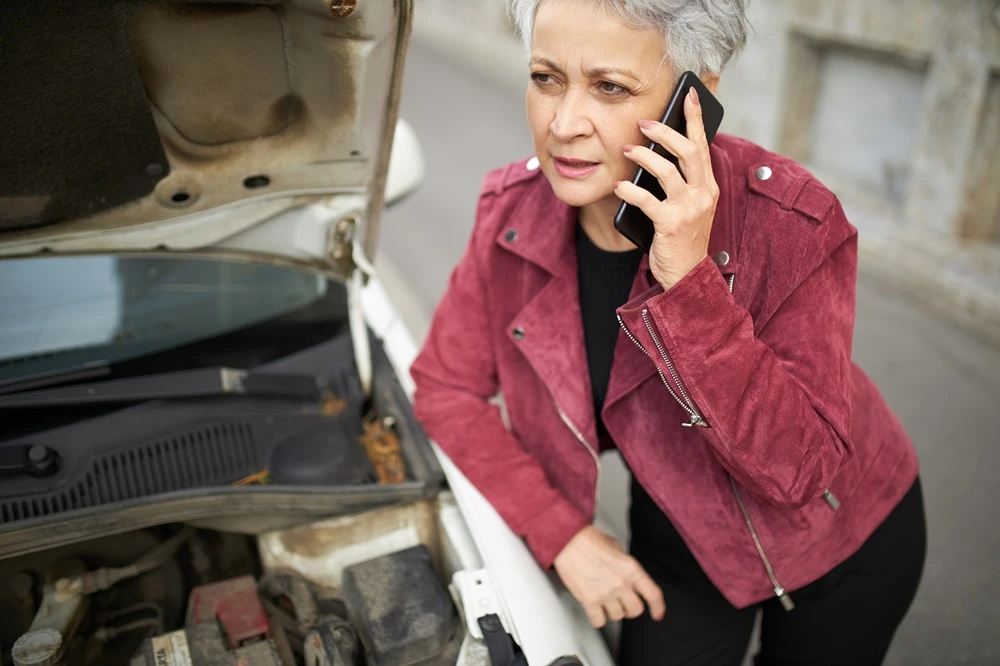

When your car is collapsed in a not at fault accident, it is not just the car panel or car paint job that’s impacted. It is your daily routine, confidence, the way you move in your life. Drivers who depend on their car getting to their work, running kids around, attending appointments being in a car collision someone else caused can send ripples through every part of your day. But when you are clearly a not at fault driver, you have your rights for a claim. You don’t just need car repairs, you are also entitled to a replacement car and a smooth way to recovery.
If you want to know how a well‑managed not at fault accident claims process can get you from damage to recovery, you have come to the right place. You will also know how to find an excellent help with crash repairs near me and what you should watch out for so you don’t end up paying someone else’s bill.
The Immediate Impact: It’s More Than Just a Scratch
Let’s assume, you are driving home, other driver misjudges a turn, or they tailgate and slam into you. Your car is damaged, maybe you are also shaken up and your whole day is ruined. Instantly you are dealing with car logistics, possibly injuries, uncertainty about mobility and with the frustration of Why did this happen to me?.
If the accident was clearly not your fault, you should not carry the burden of getting things back on track. That’s where not‑fault claims step in. You don’t need to bearing the cost of the repairs or paying for alternate transport, the at‑fault car driver’s insurer steps in. You only need to focus on being safe, getting your car sorted and getting back into your life rather than becoming your own mini‑insurance detective.
What “Not at Fault” Actually Means
The term “not at fault” means you did not cause the collision, your actions did not contribute significantly and the other drivers are responsible for everything. To make this work you must gather vital information and act as soon as possible.
Key things to collect:
· The other driver’s name, vehicle registration, licence details and insurer.
· Photos of car damage, accident scene, scratch marks, condition of the road.
· Witness names or CCTV footage if available.
· Report to the local police if required, especially if there are injuries or disputes.
If you skip gathering this crucial information, you may find the entire claims process challenging, harder and slower. Don’t make apology at the scene or admitting something like “I should have” because that can be used to argue you contributed to the crash.
From Damage to Repairs: How Crash Repairs Near Me Fit In
Once you have started your claim, the car repair part kicks in and choosing an expert is important. When you search for “crash repairs near me” you are searching for a trusted workshop that understands not‑fault claims and can work with insurers on your behalf.
Here’s how that repair journey typically unfolds:
· Assessment and quote:
· Approval and scheduling:
· Hire car or substitute vehicle:
· Repair completion and collection:
· Write‑off or settlement (if applicable):
Choosing a repairer that acts fairly, keeps you informed, uses quality parts and gives you a solid warranty is part of protecting yourself. If a workshop upsells unnecessary services or rushes you into poor quality repairs, you might end up worse off. That’s why “crash repairs near me” isn’t just about proximity, it’s about trust and transparency.
Replacement Cars: Keeping Your Life Moving
One of the biggest advantages of a not‑fault claim is you often don’t have to wait while the repairs roll out without any transport. You’re eligible for a replacement vehicle usually the same class as your car, so your life isn’t put on hold.
What you need to know:
· The hire vehicle should match your normal car (sedan, SUV, 7‑seater) so things remain practical.
· Use it while your vehicle is being repaired or until you’re settled in case of write‑off.
· Fuel, tolls and minor wear often become your responsibility; but hire fees shouldn’t be your bill if the claim is properly managed.
· If fault or liability is disputed things may get messy, stay on top of your rights.
Using a replacement vehicle helps you stay mobile, especially crucial if you’re caring for someone, running errands, going to work or supporting therapy, appointments or community access. So it’s not just about the car, it’s about your everyday.
What Carers & Participants Should Be Alert To
Because you’re supporting either yourself or someone else, here are some practical tips to make sure the claim process works in your favour:
· Collect and store evidence: Photos, registration, identifiers, contact details. After the event things fade or get forgotten.
· Choose your repair workshop wisely: Search “crash repairs near me”, ask about their insurer experience, warranties on repair work and turnaround times.
· Ensure hire vehicle rights are clear: Confirm the replacement car details and the duration. Don’t assume it’ll all happen without asking.
· Avoid hidden costs: Some companies promise “free” hire cars but later bill you if the insurer doesn’t pay. Make sure terms are clear.
· Keep logs and receipts: Towing, hire car usage, alternative transport, these may form part of your claim.
· Communicate clearly: Especially if you’re caring for someone else keep them in the loop, manage stress, set expectations.
· Focus on mobility needs: If the person you’re caring for needs the vehicle for therapies, appointments, school access, highlight this in your claim.
· Avoid admitting fault or apologising at the scene even “I’m sorry” can be used as an admission of guilt.
The Recovery Advantage: More Than Just a Fixed Car
What’s often overlooked is how much this process can do for your peace of mind, routine and recovery.
When handled well:
· Your life keeps moving: Work, caregiving, errands, social commitments don’t all stop because of someone else’s mistake.
· Financial burden reduces: You’re not paying for someone else’s error; ideally no excess, no out‑of‑pocket repair cost.
· Confidence returns: Knowing your vehicle will be repaired or replaced keeps you calm and stable.
· Carer duties remain simpler: If you’re caring for someone dependent on the car, access continues rather than being disrupted.
· Less long‑term disruption: You avoid cascading impacts missed appointments, delayed therapy, stress, disrupted support networks.
It’s not just a car repair claim, it’s a life support system.
The Steps You Should Take (Checklist Style)
Let’s put the steps out clearly so you know exactly what to do, when:
· Check safety: Make sure everyone is ok. Move to safety if possible.
· Gather evidence: Collect driver details, registration, insurer, photos, witness names.
· Report the crash: Call police if required. Notify your insurer about the incident.
· Choose a trusted repairer: Search “crash repairs near me”, get a quote, read the warranty and timeline.
· Arrange replacement vehicle: Confirm with insurer or third‑party you’re eligible for a comparable hire car.
· Keep records: Towing, hire car use, alternative transport costs, medical/appointment disruptions.
· Review repair work: When your car is returned, inspect carefully. Ask questions.
· Finalise settlement: If write‑off, negotiate value and replacement. If repair, ensure warranty is documented.
· Follow up on mobility needs: If you care for someone, ensure access solutions continue uninterrupted.
Final Thoughts
If you are involved in not at fault accident, you should not be left paying for another driver’s mistake. A proper not‑fault claim ensures you get back into your daily life. From choosing quality crash repairs near you to securing a replacement car, so your world doesn’t stop, this process matters deeply.
If you’re supporting someone else or managing this for yourself stay organised, ask questions, keep evidence, choose the right repairer and don’t settle for less. You’ve earned recovery, you’ve earned mobility, you’ve earned support.































Sign in to leave a comment.