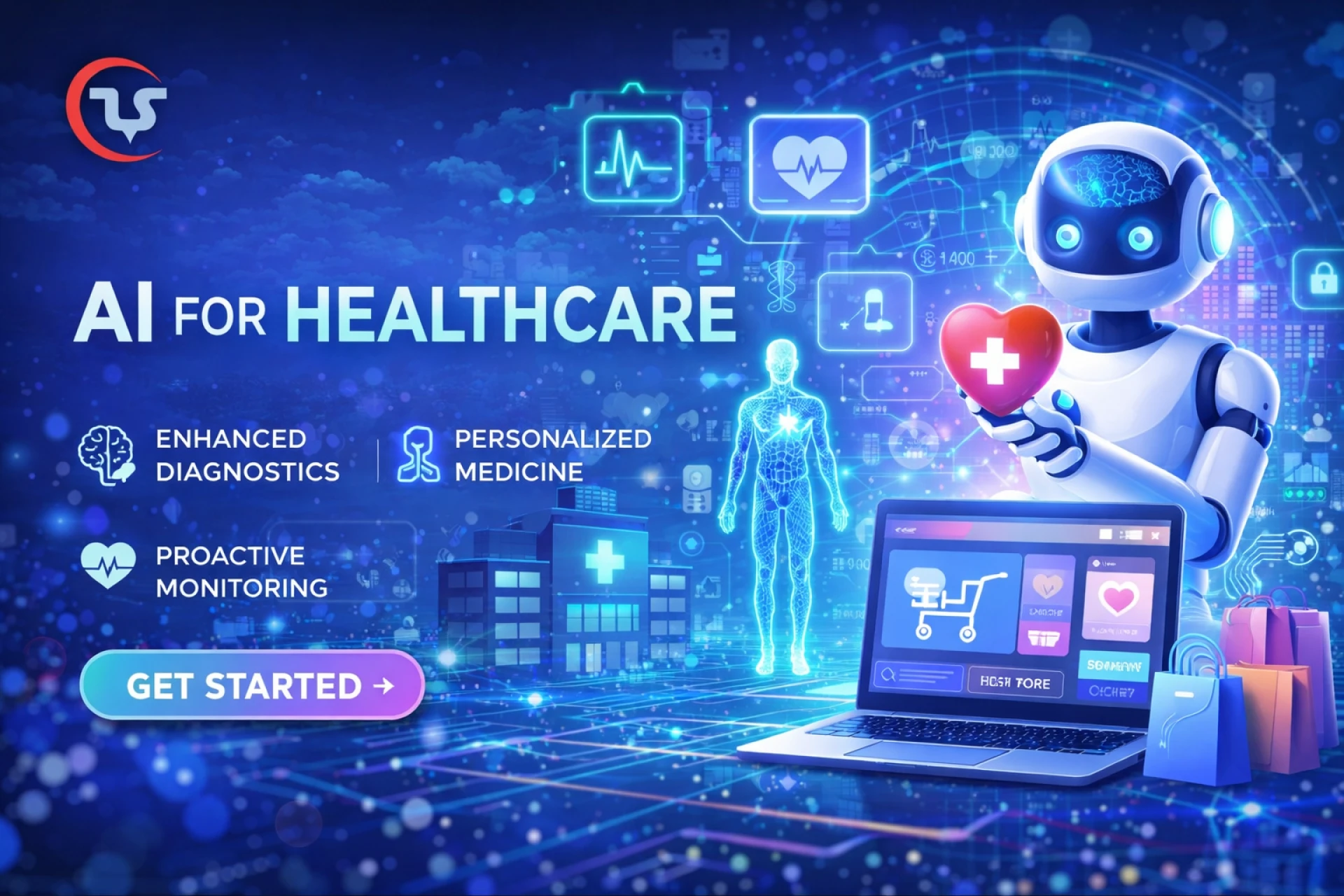

The healthcare industry is undergoing a massive transformation, and at the center of this evolution lies AI in healthcare. From predictive diagnostics to personalized treatment plans, artificial intelligence is redefining how medical professionals deliver care and how patients experience it. As technology continues to advance, healthcare systems worldwide are becoming smarter, faster, and more efficient.
In this guest post, we’ll explore how AI-driven technologies are revolutionizing the medical field, improving patient outcomes, and shaping the future of healthcare delivery.
What is AI in Healthcare?
Artificial Intelligence in healthcare refers to the use of machine learning algorithms, natural language processing, and advanced analytics to mimic human intelligence in medical processes. These systems analyze vast amounts of data, identify patterns, and assist healthcare professionals in making informed decisions.
The adoption of AI for healthcare is not just about automation, it’s about enhancing accuracy, reducing human error, and enabling proactive care.
Key Applications of AI in Healthcare
1. Predictive Analytics and Early Diagnosis
One of the most impactful uses of AI is in early disease detection. AI systems can analyze patient data, including medical history, genetic information, and lifestyle factors, to predict potential health risks.
For example:
- Identifying early signs of cancer through imaging analysis
- Predicting heart disease risks based on patient data
- Detecting neurological disorders in early stages
This proactive approach helps in timely intervention, ultimately saving lives.
2. AI-Powered EHR Systems
Electronic Health Records have been a cornerstone of digital healthcare, but integrating AI takes them to the next level. AI EHR systems can:
- Automatically organize and update patient records
- Extract meaningful insights from unstructured data
- Assist doctors with clinical decision-making
- Reduce administrative burden
With intelligent EHR platforms, healthcare providers can focus more on patient care rather than paperwork.
3. Personalized Treatment Plans
Every patient is unique, and AI enables personalized medicine by analyzing individual health data. It helps doctors tailor treatments based on:
- Genetic profiles
- Medical history
- Lifestyle patterns
This ensures higher treatment success rates and minimizes adverse effects.
4. Medical Imaging and Diagnostics
AI algorithms excel at analyzing medical images such as X-rays, MRIs, and CT scans. These systems can detect anomalies with high precision, often outperforming traditional diagnostic methods.
Benefits include:
- Faster diagnosis
- Reduced human error
- Improved accuracy in detecting diseases
5. Virtual Health Assistants
AI-powered chatbots and virtual assistants are transforming patient engagement. They can:
- Answer health-related queries
- Schedule appointments
- Provide medication reminders
- Offer mental health support
These tools enhance accessibility and ensure continuous patient interaction.
Benefits of AI in Healthcare
Improved Accuracy
AI systems reduce diagnostic errors by analyzing data more precisely than humans.
Enhanced Efficiency
Automation of routine tasks allows healthcare professionals to focus on critical cases.
Cost Reduction
By optimizing processes and reducing unnecessary procedures, AI helps lower healthcare costs.
Better Patient Outcomes
Early detection and personalized treatments lead to improved recovery rates.
Challenges and Limitations
While the potential of AI in healthcare is immense, there are challenges that need to be addressed:
Data Privacy Concerns
Handling sensitive patient data requires strict security measures.
High Implementation Costs
Developing and deploying AI systems can be expensive.
Lack of Skilled Professionals
There is a growing need for experts who understand both healthcare and AI technologies.
Ethical Considerations
Ensuring transparency and fairness in AI decisions is crucial.
Future of AI in Healthcare
The future of healthcare is undeniably intertwined with artificial intelligence. Innovations such as robotic surgeries, AI-driven drug discovery, and real-time health monitoring are already shaping the next generation of medical care.
As technology evolves, we can expect:
- More accurate predictive models
- Seamless integration of AI with wearable devices
- Advanced telemedicine solutions
- Faster drug development processes
The continued adoption of intelligent systems will lead to a more connected and patient-centric healthcare ecosystem.
Role of Technology Companies in Healthcare Innovation
Technology companies are playing a crucial role in accelerating AI adoption in healthcare. One such company is 75way Technologies, known for delivering cutting-edge digital solutions.
While widely recognized for crypto wallet development, 75way Technologies is also contributing to advanced tech solutions that can support healthcare innovation. Their expertise in secure, scalable, and intelligent systems positions them as a valuable partner in building future-ready healthcare platforms.
Why Businesses Should Invest in AI for Healthcare?
Healthcare organizations that adopt AI early gain a significant competitive advantage. Investing in AI-driven solutions allows businesses to:
- Improve operational efficiency
- Enhance patient satisfaction
- Reduce costs
- Stay ahead in a rapidly evolving market
The demand for smart healthcare solutions is growing, making this the perfect time to integrate AI technologies.
Best Practices for Implementing AI in Healthcare
To successfully implement AI, organizations should:
- Start with clear objectives
- Ensure high-quality data collection
- Focus on data security and compliance
- Train staff for AI adoption
- Collaborate with experienced technology partners
These steps help in maximizing the benefits while minimizing risks.
Conclusion
AI in healthcare is not just a trend; it’s a transformative force reshaping the entire medical landscape. From improving diagnostics to enabling personalized care, artificial intelligence is making healthcare more efficient, accessible, and effective.
As organizations continue to embrace AI-powered solutions, the future promises a smarter, more connected healthcare ecosystem where technology and human expertise work hand in hand.
FAQs
1. What is AI in healthcare?
AI in healthcare refers to the use of artificial intelligence technologies to analyze medical data, assist in diagnosis, and improve patient care.
2. How do AI EHR systems work?
AI EHR systems use machine learning and natural language processing to organize patient data, extract insights, and support clinical decisions.
3. What are the benefits of AI for healthcare?
It improves accuracy, enhances efficiency, reduces costs, and leads to better patient outcomes.
4. Is AI safe to use in healthcare?
Yes, but it requires strict data privacy measures, ethical guidelines, and proper implementation.
5. What is the future of AI in healthcare?
The future includes advanced diagnostics, personalized medicine, robotic surgeries, and AI-driven drug discovery.





























Sign in to leave a comment.