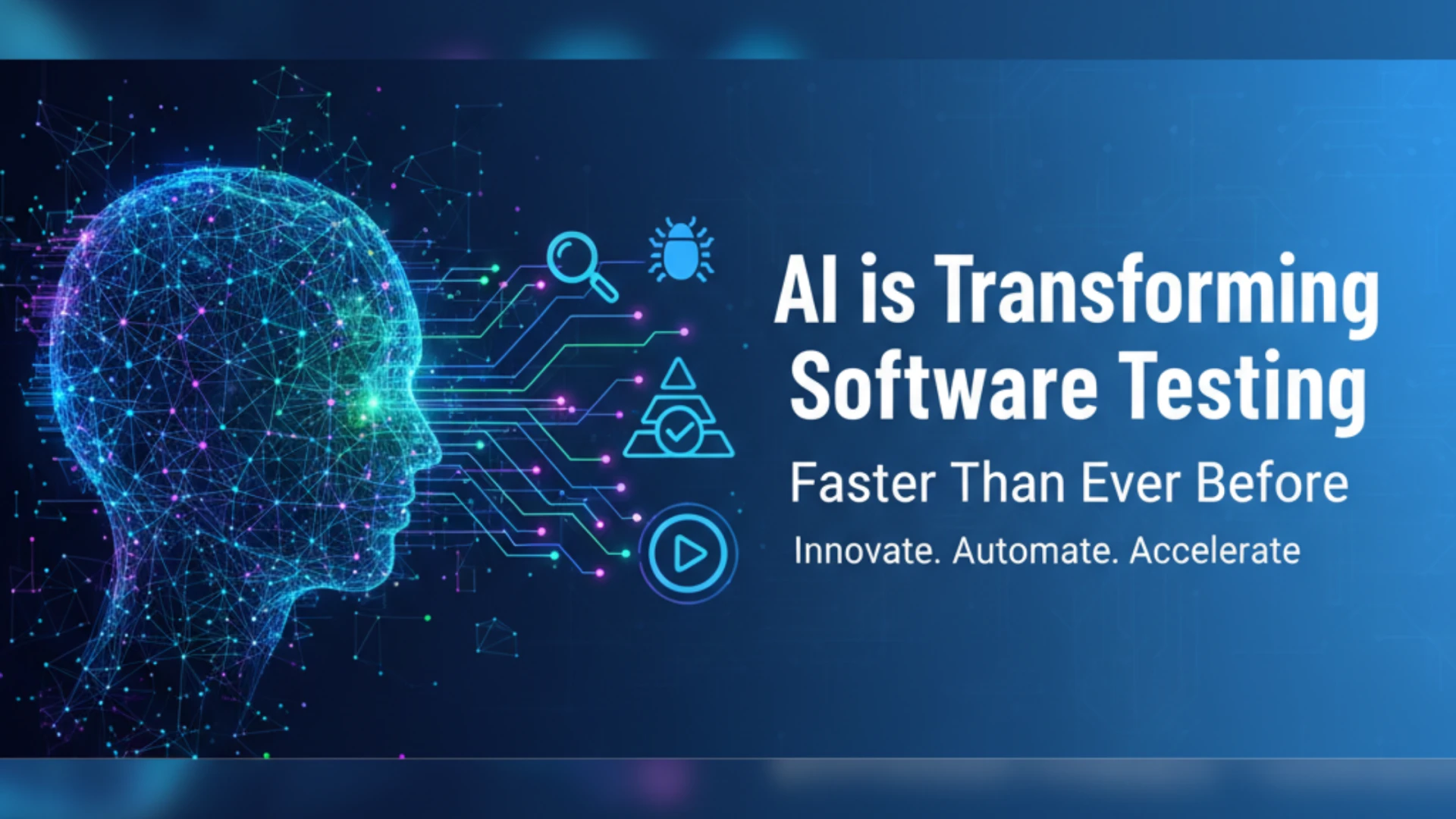

Software testing has always aimed to ensure that every feature and function in an application works as intended. As digital products become more complex, the process of testing them has become more challenging. Traditional testing methods are often slow, repetitive, and difficult to scale. This is where Artificial Intelligence is stepping in and completely changing how teams think about quality assurance.
In the past few years, and especially in the last twelve months, the use of AI in software testing has grown rapidly. Many organizations now see it not as a futuristic concept but as a present necessity. AI helps them test faster, improve accuracy, and maintain quality even when updates are released more frequently than ever.
The Shift from Manual to Intelligent Testing
For a long time, most testing relied heavily on human effort. Testers would write scripts, execute them, and analyze results manually. Even automated testing tools required constant updates whenever the code or interface changed. This consumed a lot of time and slowed down releases.
AI powered testing is different. It can understand patterns, learn from past runs, and even create new tests automatically. Instead of waiting for testers to define every single rule, AI can study the codebase, identify the most critical areas, and focus testing where it matters most. It can also analyze results, spot trends, and predict future issues before they occur.
This means developers and testers can now move faster without sacrificing quality. Testing has become more intelligent, continuous, and efficient.
Why AI Adoption is Accelerating Now
The main reason for this acceleration is the changing nature of modern software. Applications are now built for many platforms, devices, and environments. Testing all those combinations manually is nearly impossible. AI tools can process massive amounts of data, recognize similarities, and make accurate predictions about where potential problems might exist.
Another reason is the growing use of continuous integration and delivery. Companies no longer release updates every few months; they do it every week or even every day. This demands faster feedback loops, and AI makes that possible. It can automatically evaluate test coverage, find weak areas, and suggest improvements instantly.
There is also a financial reason. While AI tools can seem expensive at first, they save money over time by reducing the number of bugs that make it into production. Fewer errors mean fewer customer complaints, less downtime, and a stronger reputation for reliability.
Smarter Automation with AI
Traditional automation follows a simple rule-based approach. Someone has to define exactly what to test and how to do it. If anything changes, the script breaks and has to be fixed manually. AI removes that limitation.
AI based tools can learn from previous testing cycles and adjust themselves. If a certain type of bug keeps appearing in a specific part of the application, AI will automatically focus more attention there next time. It learns continuously and improves accuracy with every cycle.
AI is also excellent at handling user interfaces that change frequently. Modern web and mobile apps update buttons, layouts, and text constantly. Regular automation scripts often fail because they depend on fixed identifiers. AI tools can recognize these elements visually, similar to how humans do, and continue testing even when things change. This saves time and ensures stability.
Another advantage of AI is test data generation. Creating realistic test data has always been one of the hardest parts of QA. It is time consuming and prone to human error. AI can generate realistic data instantly, ensuring that tests reflect real user behavior more accurately.
Predictive Testing and Analytics
Perhaps the most exciting application of AI in software testing is predictive analytics. By studying historical test results and defect patterns, AI can predict which modules or features are most likely to fail after a new update. This allows teams to focus their attention on the riskiest areas first, saving valuable time and resources.
Predictive insights also help project managers make smarter decisions about releases. They can see how ready an application is, what the chances of failure are, and whether more testing is required before going live. It turns testing into a proactive process instead of a reactive one.
Improving Performance and Security Testing
AI is not limited to functional testing. It is making a big difference in performance and security testing as well. For performance testing, AI can simulate thousands of virtual users at once, monitoring how the system behaves under pressure. It can detect unusual slowdowns or bottlenecks and even suggest optimizations automatically.
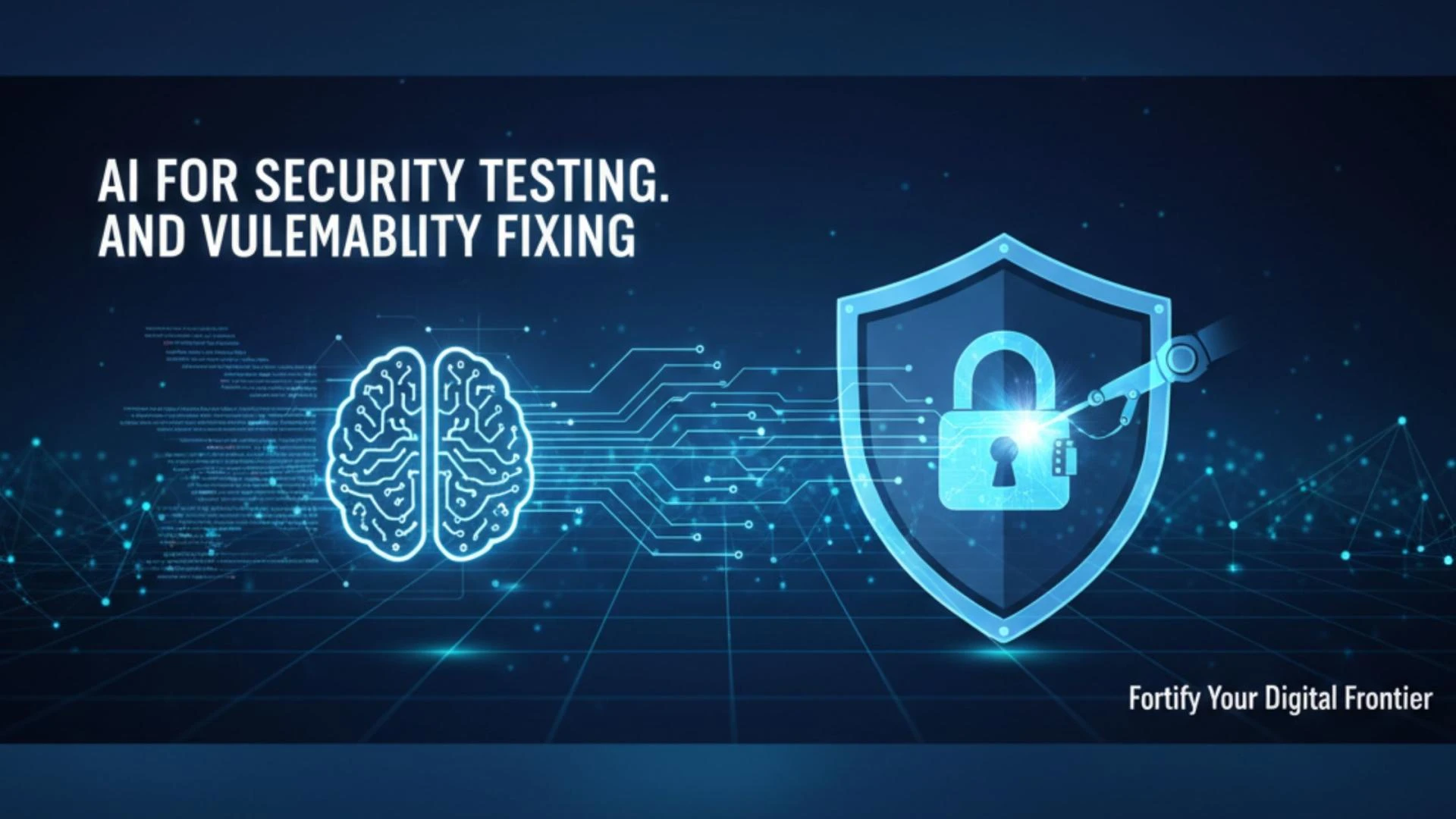
In security testing, AI tools can scan the code, identify vulnerabilities, and recommend fixes before hackers find them. Some tools can even rewrite sections of code to make them safer. This combination of prevention and repair greatly reduces the risk of security breaches.
The Human Touch Still Matters
Even with all these advancements, the role of human testers remains vital. AI can handle repetitive and data-heavy tasks, but human creativity and critical thinking are still essential for understanding user needs and designing meaningful test cases. AI provides the power and speed, while humans provide the judgment and insight.
In the future, the most effective testing teams will be those that combine AI capabilities with human expertise. Testers will spend less time on routine work and more time on analysis, strategy, and innovation.
The Road Ahead
The growth of AI in software testing is not slowing down. As tools become more accessible and user friendly, even small and mid-sized companies are starting to adopt them. Cloud based AI testing platforms are making it easier for teams to integrate AI without needing deep technical expertise.
In the coming years, we will see even more intelligent systems that can test software entirely on their own, learn from results, and continuously improve. Testing will no longer be a separate phase in the development cycle. It will become an ongoing process where quality is maintained automatically through AI.
Conclusion
AI is transforming software testing faster than anyone expected. What was once a slow, manual, and repetitive process is now becoming intelligent, predictive, and efficient. Teams can deliver updates more confidently, knowing that AI is watching for potential issues and learning from every run.
For businesses, this means faster releases, fewer failures, and happier users. For testers, it means an exciting new era where their skills evolve beyond scripts and checklists. The combination of AI and human intelligence is not just the future of software testing; it is already shaping the present.























Sign in to leave a comment.