

Air leakage testing is a critical process used to measure how much unwanted air enters or escapes a building. While it may not be the most glamorous topic in construction or building maintenance, it plays a major role in energy efficiency, indoor comfort, and long-term building performance. Whether you’re a homeowner, builder, or property manager, understanding air leakage testing can help you save money, improve indoor air quality, and meet modern building standards.
What Is Air Leakage?
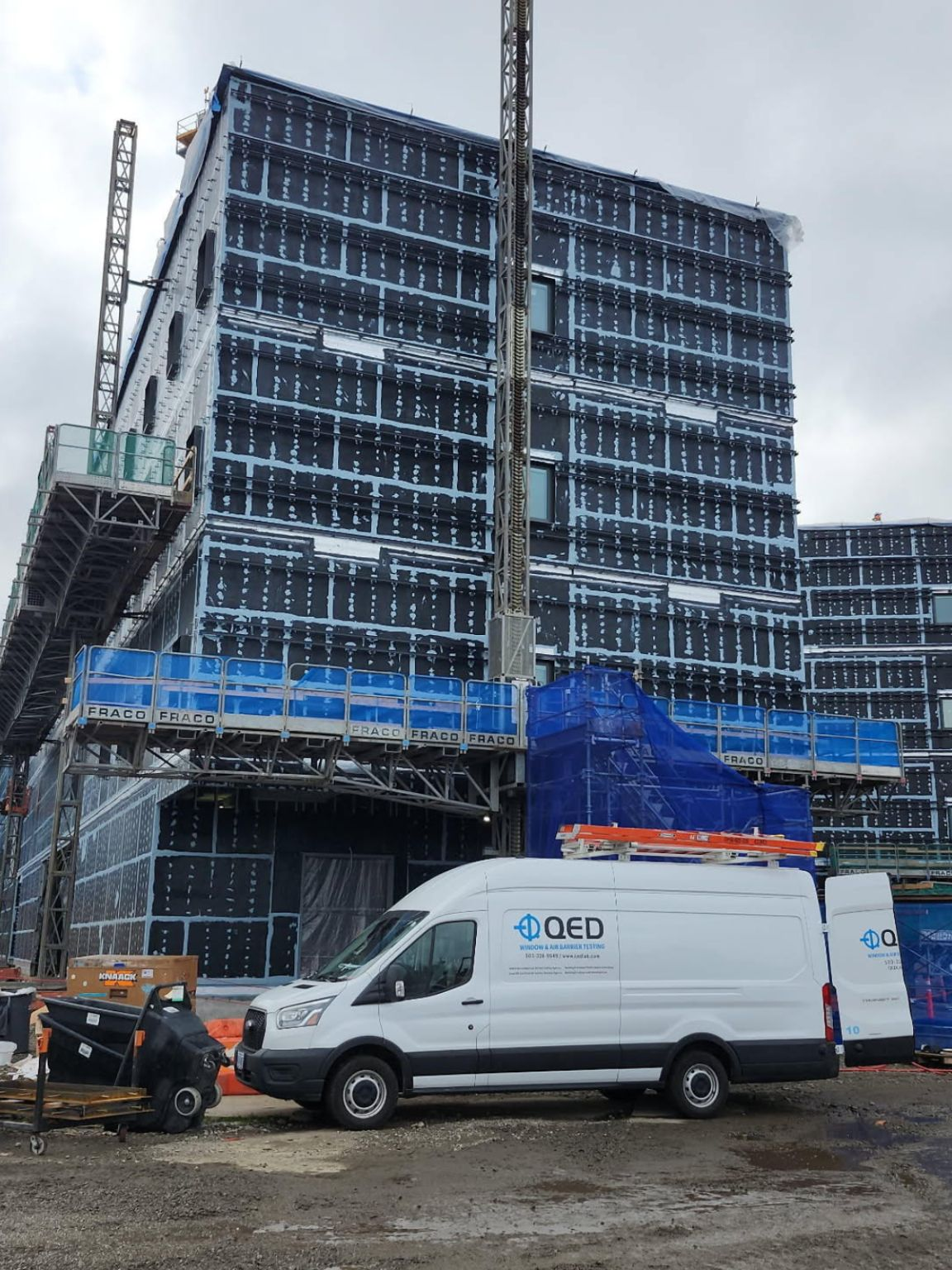
Air leakage refers to the uncontrolled movement of air through gaps, cracks, and openings in a building’s envelope. The building envelope includes walls, windows, doors, roofs, floors, and any place where different materials or systems meet. Common leakage points include:
- Window and door frames
- Electrical outlets and light fixtures
- Attic hatches and recessed lighting
- Plumbing and wiring penetrations
- Basement and crawl space connections
Even small gaps can add up to a surprisingly large amount of air movement. Over time, this can cause drafts, uneven indoor temperatures, moisture problems, and higher energy bills.
What Is Air Leakage Testing?
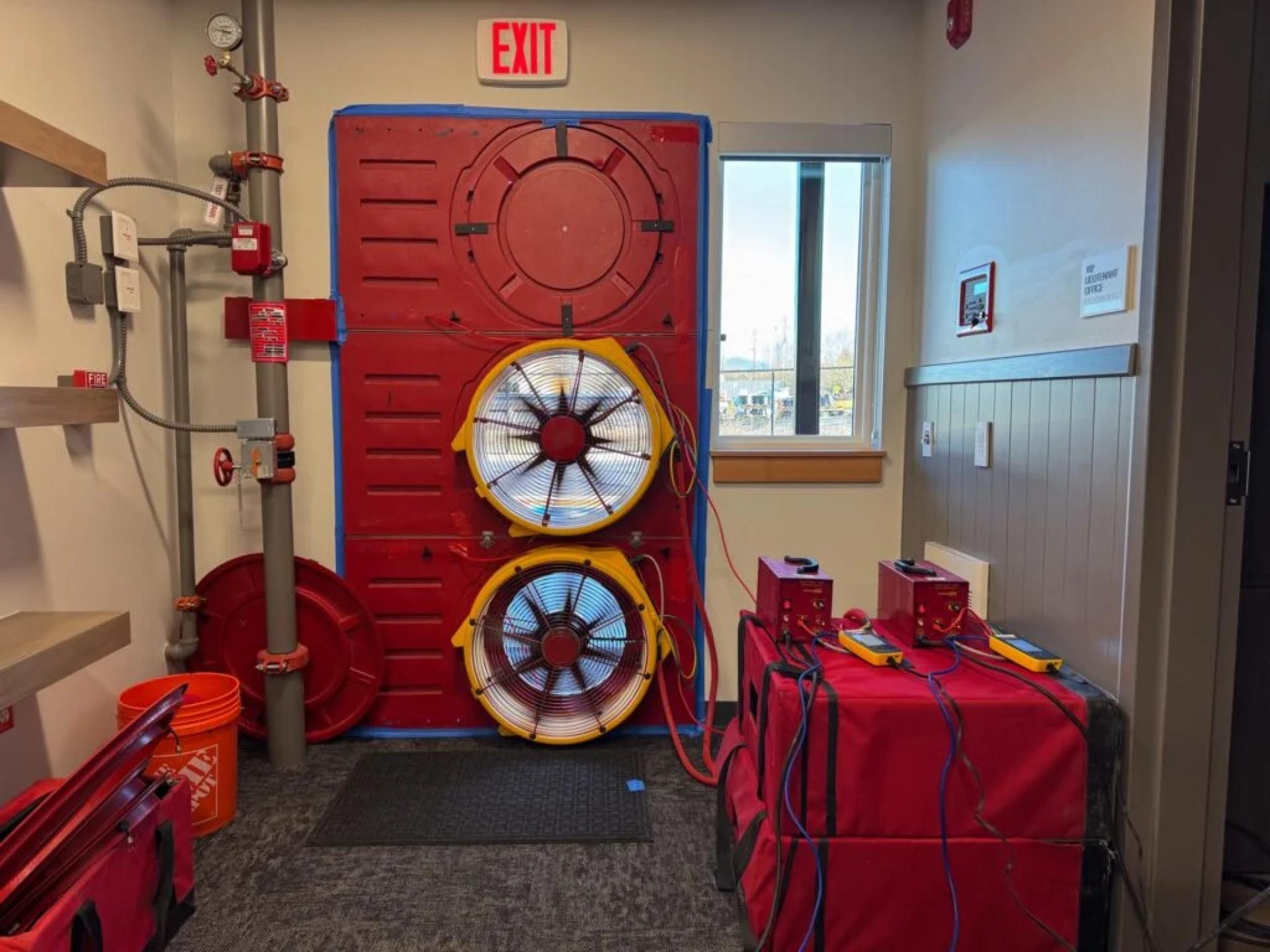
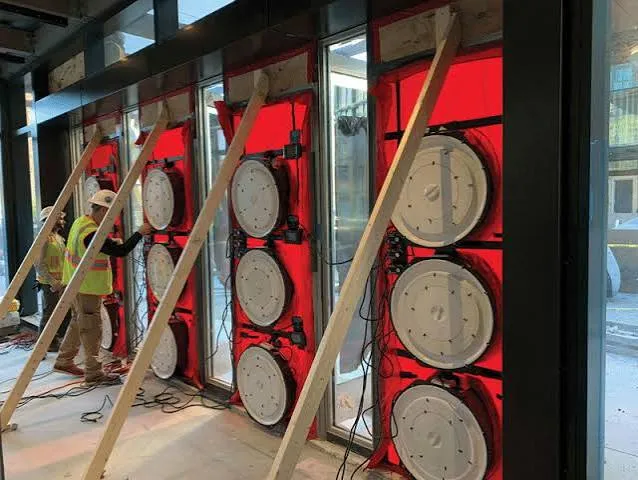
Air leakage testing is a method used to measure how airtight a building is. The most common approach is a blower door test, which uses a powerful fan mounted in an exterior door to create pressure differences between the inside and outside of the building. By measuring how much air is needed to maintain that pressure difference, technicians can calculate how much air is leaking in or out of the structure.
Results are usually expressed in air changes per hour (ACH), which shows how many times the total volume of air inside the building is replaced with outside air in one hour. A lower ACH value means a tighter, more energy-efficient building.
Why Air Leakage Testing Is Important
1. Energy Efficiency
Air leaks allow heated or cooled air to escape, forcing HVAC systems to work harder to maintain comfortable indoor temperatures. This leads to higher energy consumption and increased utility bills. Identifying and sealing leaks can significantly reduce energy loss and improve overall efficiency.
2. Indoor Comfort
Drafts and cold or hot spots in a building are often caused by air leakage. Testing helps pinpoint problem areas so they can be sealed properly, resulting in more consistent indoor temperatures and improved comfort for occupants.
3. Moisture and Mold Control
Uncontrolled air movement can carry moisture into wall cavities, attics, and crawl spaces. Over time, this moisture can lead to condensation, mold growth, and even structural damage. Air leakage testing helps identify pathways where moisture-laden air is entering, allowing for targeted repairs that protect the building’s durability.
4. Improved Indoor Air Quality
While buildings need fresh air for healthy indoor air quality, uncontrolled leakage is not an effective or predictable way to provide ventilation. Sealing leaks allows ventilation to be managed intentionally through proper systems, reducing the entry of outdoor pollutants, dust, and allergens.
5. Compliance With Building Codes and Standards
Many modern building codes and energy efficiency programs require air leakage testing to verify that buildings meet specific airtightness targets. Passing these tests may be necessary for occupancy permits, certifications, or incentive programs.
How Air Leakage Testing Is Performed
A typical air leakage test involves several steps:
- Preparation
Windows and exterior doors are closed, while interior doors are left open. HVAC systems may be turned off, and fireplaces or vents are sealed temporarily. - Blower Door Installation
A calibrated fan is mounted into an exterior doorway using a temporary frame and airtight fabric panel. - Pressurization or Depressurization
The fan either pulls air out of the building or pushes air in, creating a pressure difference between the indoors and outdoors. - Measurement and Diagnosis
Instruments measure airflow needed to maintain the pressure difference. Technicians may use smoke pencils, infrared cameras, or hand-held anemometers to locate specific leakage points. - Reporting and Recommendations
The results are documented, and recommendations are provided for sealing leaks and improving the building’s airtightness.
Who Should Consider Air Leakage Testing?
- Homeowners looking to reduce energy bills or improve comfort
- Builders and developers aiming to meet energy codes and certifications
- Commercial property owners seeking to lower operating costs
- Facility managers responsible for maintaining building performance
- Renovators working on energy retrofits or major upgrades
Testing can be performed on new construction as a quality control step or on existing buildings to diagnose performance issues.
Common Solutions After Testing
Once air leaks are identified, improvements typically include:
- Sealing gaps with caulk or expanding foam
- Weatherstripping doors and windows
- Sealing ductwork and service penetrations
- Improving insulation around attic and basement areas
- Installing airtight barriers and membranes where needed
These measures often provide a strong return on investment by lowering energy use and extending the life of building components.
The Long-Term Value of Air Leakage Testing
Air leakage testing is more than just a one-time inspection—it’s a smart investment in building performance. By understanding how air moves through a structure and addressing problem areas, property owners can reduce energy costs, improve comfort, and protect the building from moisture-related damage. As energy standards continue to rise and sustainability becomes a greater priority, air leakage testing will remain a key tool for creating efficient, healthy, and durable buildings.


























Sign in to leave a comment.