
When homeowners think about energy efficiency, they usually focus on insulation, HVAC upgrades, or new windows. What often goes unnoticed is the silent issue affecting comfort and energy bills every single day—air leakage. Even well-built homes can lose a surprising amount of conditioned air through tiny, hidden gaps. This is where professional air leakage testing becomes essential.
Air leakage testing helps identify where your home is quietly losing energy, money, and comfort—without most homeowners ever realizing it.
What Is Air Leakage Testing?
Air leakage testing is a diagnostic process used to measure how much air escapes from a home and where those leaks occur. Unlike visible problems such as cracked walls or broken windows, air leaks are often hidden behind drywall, around framing, or inside attic and crawl spaces.
Using specialized tools like blower door tests and thermal imaging, professionals can pinpoint leaks around doors, windows, ductwork, electrical outlets, and structural joints. The goal is not just to detect air loss but to understand how air moves through the entire home.
Why Invisible Air Leaks Matter More Than You Think
Air leaks don’t just waste energy—they impact your home’s overall performance. When heated or cooled air escapes, your HVAC system works harder to maintain indoor temperatures. This leads to higher utility bills, uneven room temperatures, and unnecessary wear on heating and cooling equipment.
Beyond energy loss, air leakage can also:
- Allow outdoor pollutants, dust, and allergens inside
- Increase indoor humidity and moisture problems
- Reduce indoor comfort during extreme weather
- Make rooms feel drafty even when windows are closed
Because these issues develop gradually, many homeowners assume they’re normal—until testing reveals otherwise.
How Air Leakage Testing Works
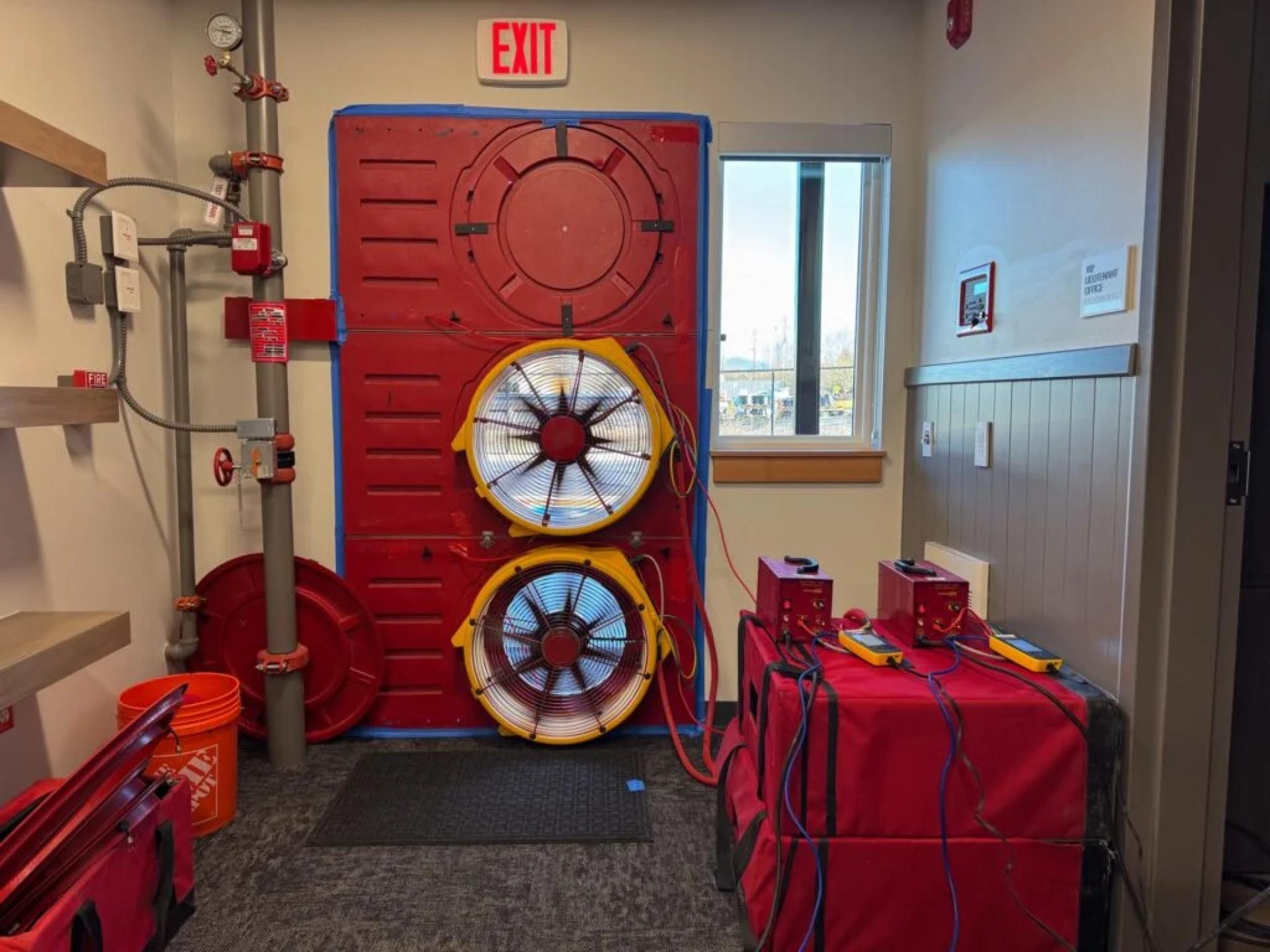
The most common method used in air leakage testing is the blower door test. During this process, a powerful fan is temporarily installed in an exterior doorway. The fan depressurizes the home, forcing outside air to enter through leaks and gaps.
As the home is depressurized, technicians use tools like smoke pencils or infrared cameras to visually locate where air is entering. Thermal imaging is especially effective, as it highlights temperature differences that reveal hidden leaks behind walls or ceilings.
The result is a clear picture of your home’s air tightness and a roadmap for targeted improvements.
Common Areas Where Homes Lose Air
Air leakage testing frequently uncovers problem areas homeowners never expect. Some of the most common include:
- Attic access points and recessed lighting
- Gaps around plumbing and electrical penetrations
- Poorly sealed ductwork
- Window and door frames
- Crawl spaces and basement rim joists
Even small gaps, when combined, can add up to the equivalent of leaving a window open year-round.
Benefits of Professional Air Leakage Testing
Investing in air leakage testing provides benefits that go far beyond energy savings. Homeowners often notice immediate improvements after sealing identified leaks.
Key benefits include:
- Lower heating and cooling costs
- More consistent indoor temperatures
- Improved indoor air quality
- Reduced strain on HVAC systems
- Enhanced overall comfort
For homeowners planning renovations, energy upgrades, or selling their property, air leakage testing also adds value by improving performance metrics and compliance with energy standards.
Air Leakage Testing and Energy Codes
Modern building codes increasingly emphasize airtightness and energy efficiency. In many regions, air leakage testing is now required for new construction or major remodels to meet energy code compliance.
Even for existing homes, testing helps ensure that upgrades like insulation or HVAC improvements actually perform as intended. Without proper air sealing, even high-quality insulation can fail to deliver expected results.
Why Testing Should Come Before Sealing
One common mistake homeowners make is sealing areas without proper testing. Guesswork often leads to missed leaks or improper sealing that can affect ventilation and indoor air balance.
Professional air leakage testing ensures that sealing efforts are precise, effective, and safe. It identifies priority areas, prevents over-sealing, and helps maintain healthy airflow throughout the home.
Conclusion
Air leakage testing reveals what homeowners can’t see—but feel every day through high bills, drafts, and uneven comfort. By identifying invisible energy loss, this testing process becomes one of the smartest steps toward a more efficient, comfortable, and healthier home.
Whether you’re improving energy efficiency, preparing for upgrades, or simply tired of wasting money on lost air, air leakage testing provides clarity—and lasting results.






















Sign in to leave a comment.