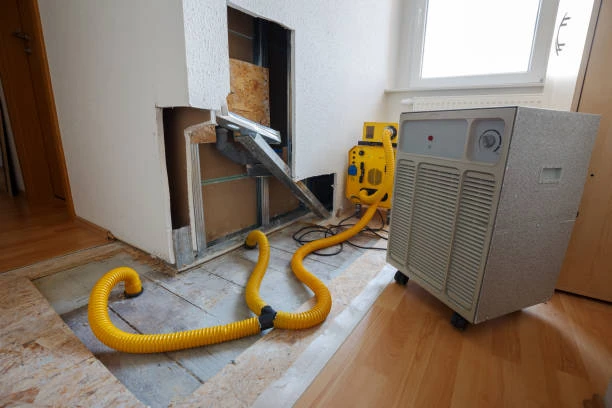

When it comes to improving your building or home, blower door testing is very useful to finding where air leakage is coming from. Whether you're a homeowner aiming to cut energy bills, a builder ensuring building spec compliance, or an energy auditor diagnosing inefficiencies, blower door testing offers a reliable way to measure and understand air leakage in buildings.
What Is a Blower Door Test?
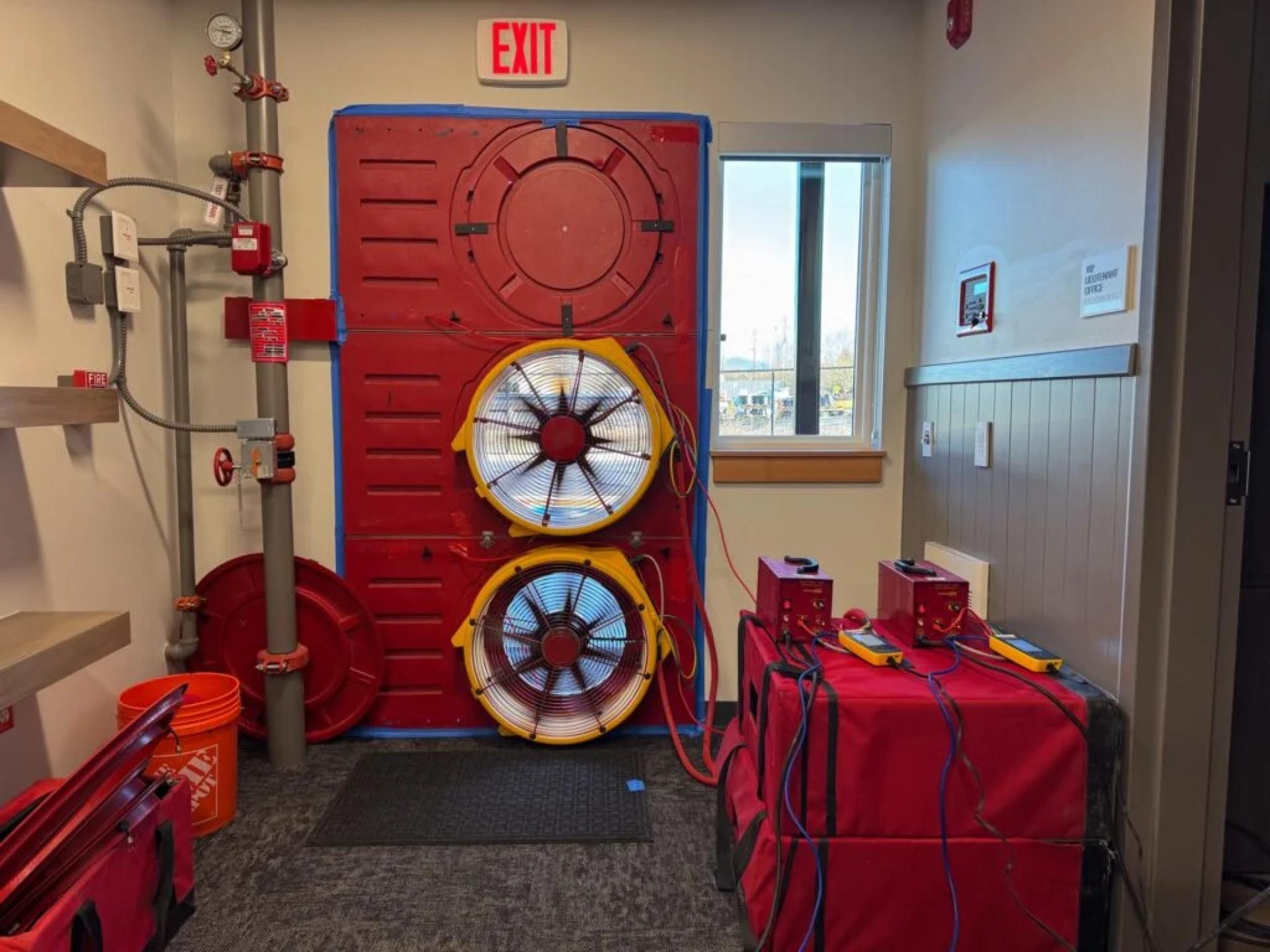
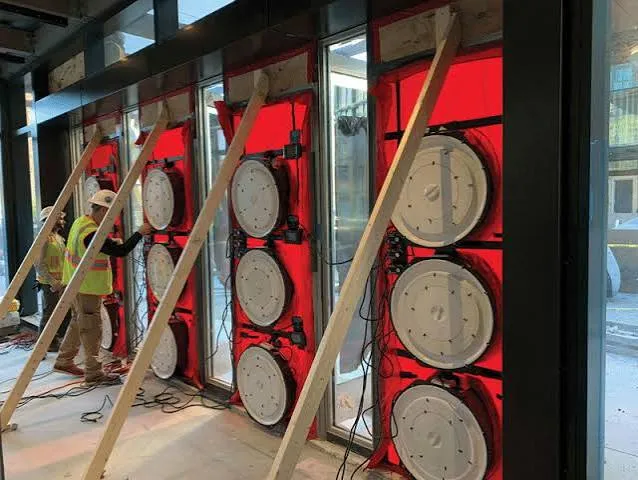
A blower door test is a diagnostic tool used to measure the airtightness of buildings. It involves mounting a powerful fan (the “blower”) into an exterior door frame and depressurizing the building. This controlled pressure difference allows professionals to detect and quantify where outside air is entering the structure.
As the fan draws air out, it forces outside air to seep in through cracks, gaps, and other leakage points. Using specialized gauges and tools, technicians can then pinpoint problem areas, measure the air changes per hour (ACH), and assess the overall performance of the building envelope.
Why Airtightness Matters
Airtightness plays a crucial role in:
- Energy Efficiency: Uncontrolled air leakage can account for 20–40% of heating and cooling losses in a home.
- Indoor Comfort: Drafts and cold spots caused by leaks can reduce occupant comfort.
- Moisture Control: Air leakage can allow moisture-laden air to enter walls and ceilings,leading to structural damage and microbial growth.
- Building Spec Compliance: Many modern building codes now require blower door testing for new construction or major renovations to ensure energy standards are met.
What to Expect During a Test
The process usually takes 1–2 hours, depending on the size and complexity of the building
- Setup: All exterior doors and windows are closed. Interior doors are opened. The blower door fan is installed.
- Depressurization: The fan is turned on to lower the indoor air pressure.
- Measurement: Technicians record data to determine how much air is leaking. Infrared cameras, smoke pencils, or pressure gauges may be used to detect leaks.
- Analysis & Report: You'll receive a report showing your home’s leakage rate (ACH50) and where improvements are needed.
Who Needs a Blower Door Test?
- New Homeowners: Verify your builder delivered a tight, efficient home
- Renovators: Measure the before-and-after impact of energy retrofits.
- Home Energy Auditors: Provide clients with tangible insights and improvement recommendations.
- Contractors & Builders: Meet code requirements and deliver high-performance homes.
Simple Improvements After a Test
Once problem areas are identified, common fixes include:
- Sealing gaps around windows and doors
- Adding insulation to attics and walls
- Caulking baseboards and trim
- Installing weatherstripping
- Sealing ductwork and utility penetrations
These improvements not only enhance energy efficiency but can significantly boost comfort and reduce utility bills.
Final Thoughts
Blower door testing isn't just about compiling with building specs, it’s about smarter and more efficient buildings. As energy standards become stricter and homeowners more informed, this test is quickly becoming a non-negotiable step in responsible construction and renovation.





















Sign in to leave a comment.