
If you’ve been told you need “full-arch” tooth replacement, or you’re tired of dentures shifting at the worst moment, All-on-4 is one of the treatment pathways you’ll likely come across in Melbourne clinics.
This care focused all on 4 dental implants treatment explainer for Melbourne is designed to help you understand what the approach is, how it’s typically planned, and what questions to bring to a consult so you can make a more confident decision.
One important note upfront: any surgical or invasive procedure carries risks, and suitability is individual. A proper examination, imaging, and medical history review matter as much as the implant system itself.
What “All-on-4” is (and what it isn’t)
All-on-4 is a way of supporting a full arch (top or bottom) of replacement teeth using a small number of strategically placed implants, often four. Instead of placing an implant for every missing tooth, the implants act as anchors for a fixed bridge.
It’s not a single “one-size” product. Clinics may use different implant brands, bridge materials, and staging approaches depending on bone quality, bite forces, gum health, and whether you’re replacing failing teeth or already wearing dentures.
Who it may suit
All-on-4 style treatment is commonly considered when you have:
- Many missing teeth in one arch, or teeth that are failing due to decay, fracture, or gum disease
- Difficulty eating or speaking with a denture (or you avoid wearing it)
- A desire for a fixed option rather than something removable
- Bone loss that might make traditional “one implant per tooth” plans more complex (this doesn’t guarantee grafting won’t be needed, but the approach can sometimes work with available bone)
A consult should also look at factors that can change the plan: smoking/vaping, uncontrolled diabetes, certain medications, grinding/clenching, untreated gum disease, and sleep apnoea or reflux (which can affect wear on teeth).
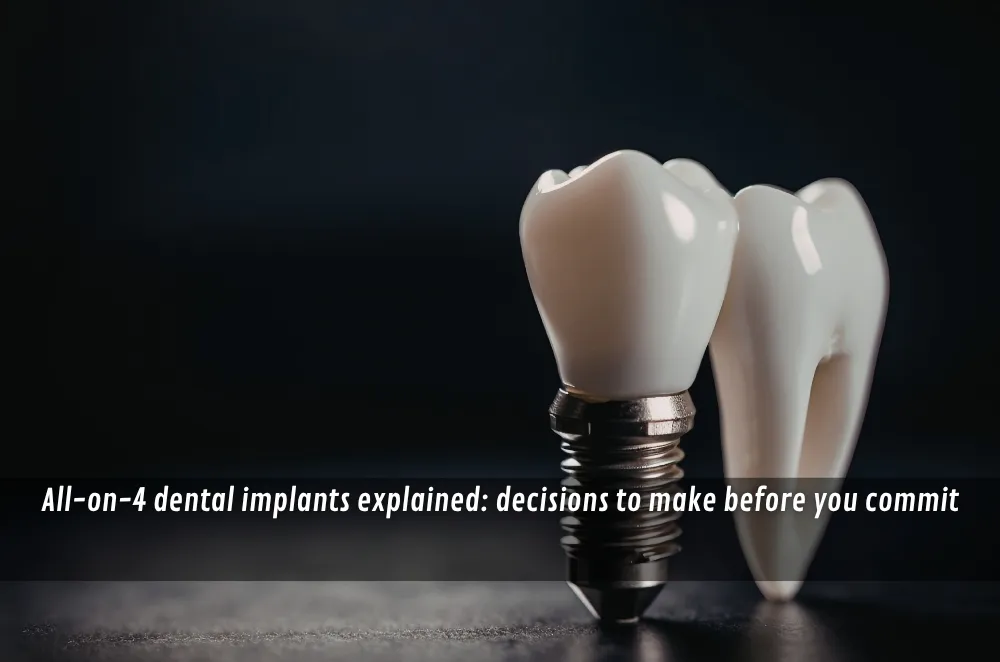
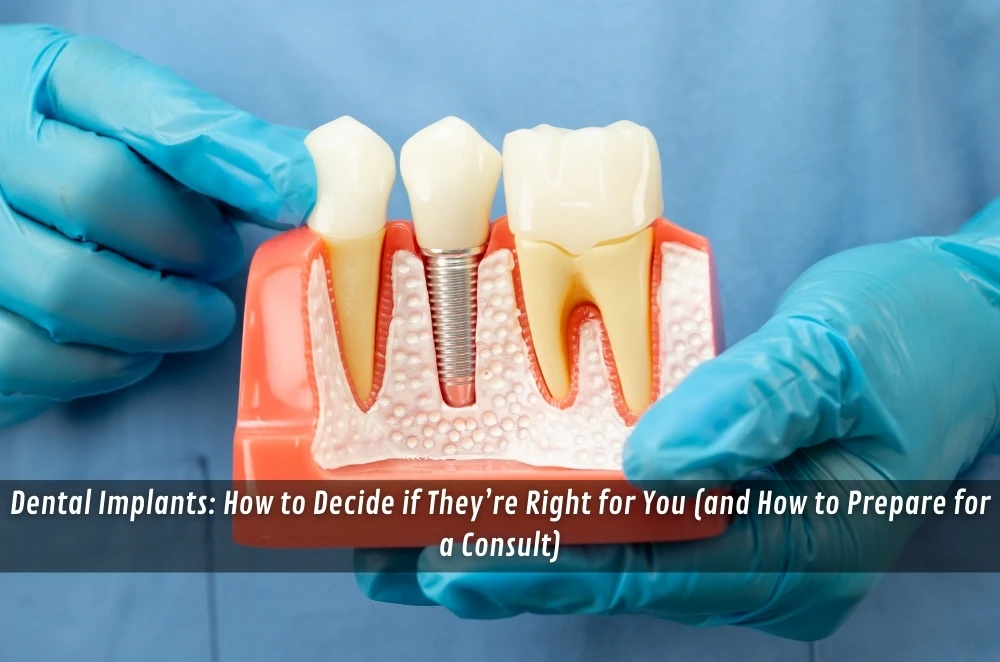
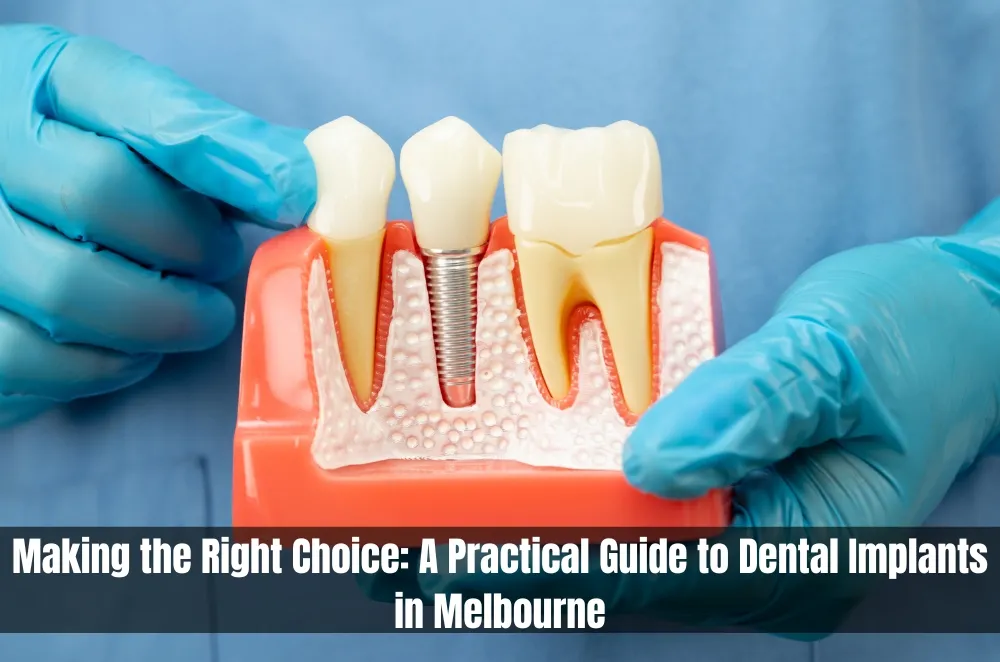
The building blocks: implants, abutments, and the bridge
It helps to break the system into parts:
- Implants: the titanium (or titanium-alloy) fixtures placed in the jawbone
- Abutments: connectors that link implants to the bridge (sometimes angled)
- Fixed bridge: the teeth you see and use, built from materials such as acrylic over a metal framework, composite, zirconia, or combinations
Your clinician should explain why a particular bridge material is recommended for your bite and habits. For example, some materials are easier to repair if you grind your teeth, while others can be more resistant to staining or wear.
What the process usually looks like
Every clinic sequences things differently, but many All-on-4 pathways include these stages.
1) Assessment and planning
Expect a comprehensive exam and imaging (often including 3D scanning such as CBCT) to assess:
- Bone volume and density
- Nerve and sinus anatomy
- Gum health and infection risk
- Bite relationship and jaw position
- Aesthetic goals (lip support, tooth display, smile line)
Planning is where a lot of the “quality” lives, because implant position affects long-term cleanability, speech, and how the bridge handles chewing forces.
2) Deciding on extractions (if needed)
If you still have compromised teeth, your clinician may discuss whether they can be treated, or whether extraction and replacement is the more predictable option. This is also where you’ll want clarity on: “Are we doing one arch or two?” and “Is this staged or done at once?”
3) Surgery day and “immediate” teeth (in suitable cases)
Some patients receive a temporary fixed bridge soon after surgery (often called “immediate load” or “teeth in a day”). It isn’t appropriate for everyone; it depends on implant stability, bone quality, and overall risk profile.
Even when a temporary bridge is fitted early, it’s typically part of a longer plan, not the final version. You may still need a definitive bridge after healing and bite refinement.
4) Healing and integration
Over the following months, the bone and implants integrate. During this period, you’ll usually be asked to follow a softer diet and attend reviews so the team can check healing, bite forces, and hygiene access.
5) Final bridge and long-term maintenance
A final bridge is usually made after healing. This is also when small design decisions matter, like where the bridge meets the gums and how easily you can clean underneath.
If you want to see an example of how one Melbourne clinic describes its “multiple teeth / All-on-4” approach and FAQs, you can read their overview of the All-on-4 multiple-implant option (High Dental Implants Melbourne).
Questions worth asking at your consult (so you’re not guessing later)
A good consult should welcome detailed questions. Consider adding these to your list:
Treatment design
- How many implants are planned for my arch, four, more than four, or a different configuration? Why?
- Will the back implants be angled, and what does that change for cleaning and load distribution?
- What material is recommended for my bridge, and what are the trade-offs?
Timing and stages
- Am I a candidate for a temporary fixed bridge soon after surgery, or will I use a denture/temporary option during healing?
- What is the expected timeline from surgery to final bridge?
Risks and realistic outcomes
- What are the most common complications you see (infection, screw loosening, fractures, implant failure), and how are they handled?
- If something fails, what is Plan B?
Cost clarity (without surprises)
- What’s included in the total plan, and what’s not (imaging, sedation, extractions, bone grafting, temporary bridge, final bridge, reviews)?
- What maintenance costs should I budget for (professional cleans, night guard, bridge removal/re-fit, repairs)?
Recovery, comfort, and function: what people notice
Most people focus on aesthetics, but day-to-day function matters just as much:
- Chewing: you’ll likely have restrictions during healing; “back to normal” is gradual
- Speech: new tooth thickness and palate shape can change speech temporarily
- Cleaning: you’ll need the right tools (interdental brushes, water flosser, superfloss) and instruction
- Comfort: a fixed bridge removes denture movement, but the early healing period can still be tender
The most useful mindset is: the surgery is one part; the follow-up and bite refinement are what make it feel natural.
The part people underestimate: maintenance
All-on-4 is not “set and forget.” Implants can’t get cavities, but the gums and bone around them can still become inflamed if plaque is left undisturbed. Long-term success is strongly linked to:
- Daily cleaning under the bridge
- Regular professional maintenance
- Managing grinding/clenching (often with a guard)
- Avoiding smoking (or at least discussing risk reduction honestly)
If a clinic tells you outcomes are guaranteed, treat that as a prompt to ask more questions. In healthcare, ethical providers focus on individual risk, evidence, and maintenance, not certainty.
When to get a second opinion
A second opinion can be helpful if:
- You’re offered a “same day” plan without a clear explanation of why you’re suitable
- You don’t receive a written breakdown of stages, inclusions, and risks
- Your medical history or medications aren’t discussed in detail
- You feel rushed into choosing materials or financing decisions
It’s reasonable to compare two comprehensive plans in Melbourne and choose the one that best explains the why, not just the what.
Key Takeaways
- All-on-4 is a full-arch replacement method that uses a small number of implants to support a fixed bridge.
- Suitability depends on bone, bite forces, gum health, and medical factors, there’s no universal plan.
- “Immediate” teeth can be possible for some patients, but it’s not automatic and often involves temporary restorations.
- The bridge material and design affect speech, comfort, repairability, and long-term cleaning.
- Long-term outcomes rely heavily on maintenance: hygiene, professional reviews, and managing grinding/smoking risks.
























Sign in to leave a comment.