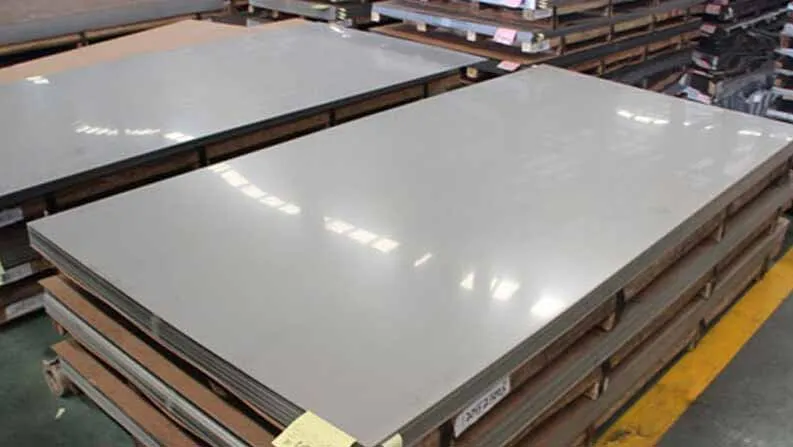

Aluminium alloys from the 6xxx series are among the most versatile engineering materials used today. Known for their balance of strength, corrosion resistance, and machinability, these alloys are widely used in structural and industrial applications.
When discussing Aluminium 6083 Sheet & Plate, it’s important to understand that materials in this category are typically associated with medium-strength, heat-treatable aluminium alloys commonly used in construction, marine, and transportation sectors.
Understanding Aluminium 6xxx Series
The 6xxx series aluminium alloys are primarily alloyed with magnesium and silicon, forming magnesium silicide. This composition provides:
- Good mechanical strength
- Excellent corrosion resistance
- High weldability
- Good formability
Among these, alloys like 6082 are well-documented and widely used in sheet and plate forms, often serving as a reference point for similar or misidentified grades like “6083.”
Key Properties of Aluminium Sheet & Plate (6xxx Series)
1. Mechanical Strength
6xxx alloys offer medium to high strength, especially in heat-treated conditions (such as T6). They are stronger than 5xxx series alloys but slightly less strong than 7xxx series.
2. Corrosion Resistance
These alloys exhibit excellent resistance to atmospheric corrosion, making them suitable for outdoor and marine environments.
3. Weldability
One of the standout features is good weldability using conventional techniques like TIG and MIG welding.
4. Machinability
Aluminium sheets and plates in this category are known for good machinability, especially in hardened tempers.
5. Formability
While not as formable as softer alloys, they can still be shaped effectively in appropriate conditions.
Common Applications
Aluminium sheet and plate in this category are used across a wide range of industries:
Construction & Structural Engineering
- Bridges
- Platforms
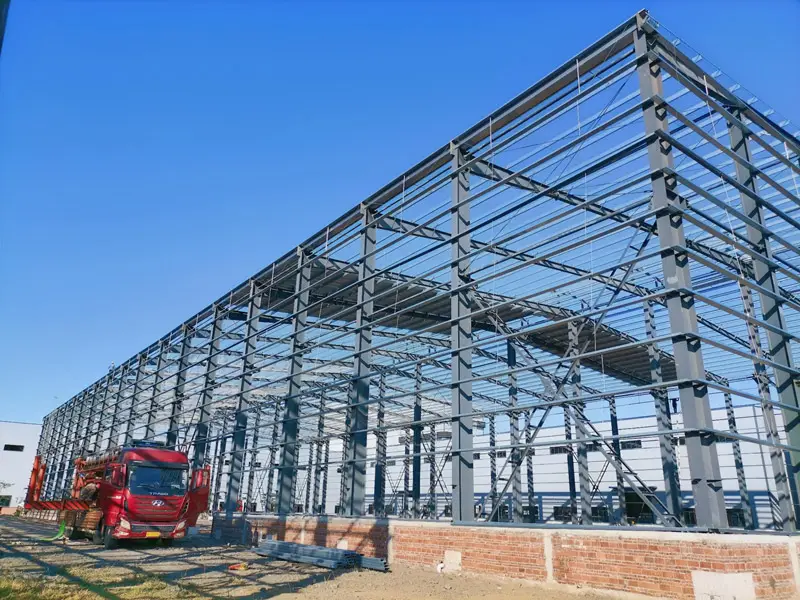
- Roof structures
- Load-bearing frameworks
Marine Industry
- Boat hulls
- Shipbuilding components
- Offshore structures
Transportation
- Truck bodies
- Railway components
- Automotive panels
Industrial Applications
- Machinery parts
- Tooling plates
- Storage tanks
Advantages of Aluminium Sheet & Plate
Lightweight with Strength
Aluminium offers a high strength-to-weight ratio, making it ideal where weight reduction is critical.
Durability
Its natural oxide layer provides long-term durability without heavy maintenance.
Recyclability
Aluminium is 100% recyclable, making it an environmentally sustainable choice.
Thermal Conductivity
It has good heat conductivity, useful in industrial and engineering applications.
Considerations When Selecting Aluminium Grade
When choosing aluminium sheet or plate, it’s important to verify:
- Exact alloy designation (e.g., 6082 instead of 6083)
- Temper condition (T6, T651, etc.)
- Mechanical property requirements
- Application environment
Using the correct grade ensures performance reliability and compliance with engineering standards.
Conclusion
While “Aluminium 6083 Sheet & Plate” is not a widely recognized standard designation, materials associated with the 6xxx series aluminium alloys remain a cornerstone of modern engineering. Their combination of strength, corrosion resistance, and versatility makes them indispensable across multiple industries.










![The Benefits of Using a CNC Touch Probe [Infographic]](https://writeupcafe.com/data/post/1677697/bfdf3e040e67936848aa232d2dfe3d03.jpg.webp)









Sign in to leave a comment.