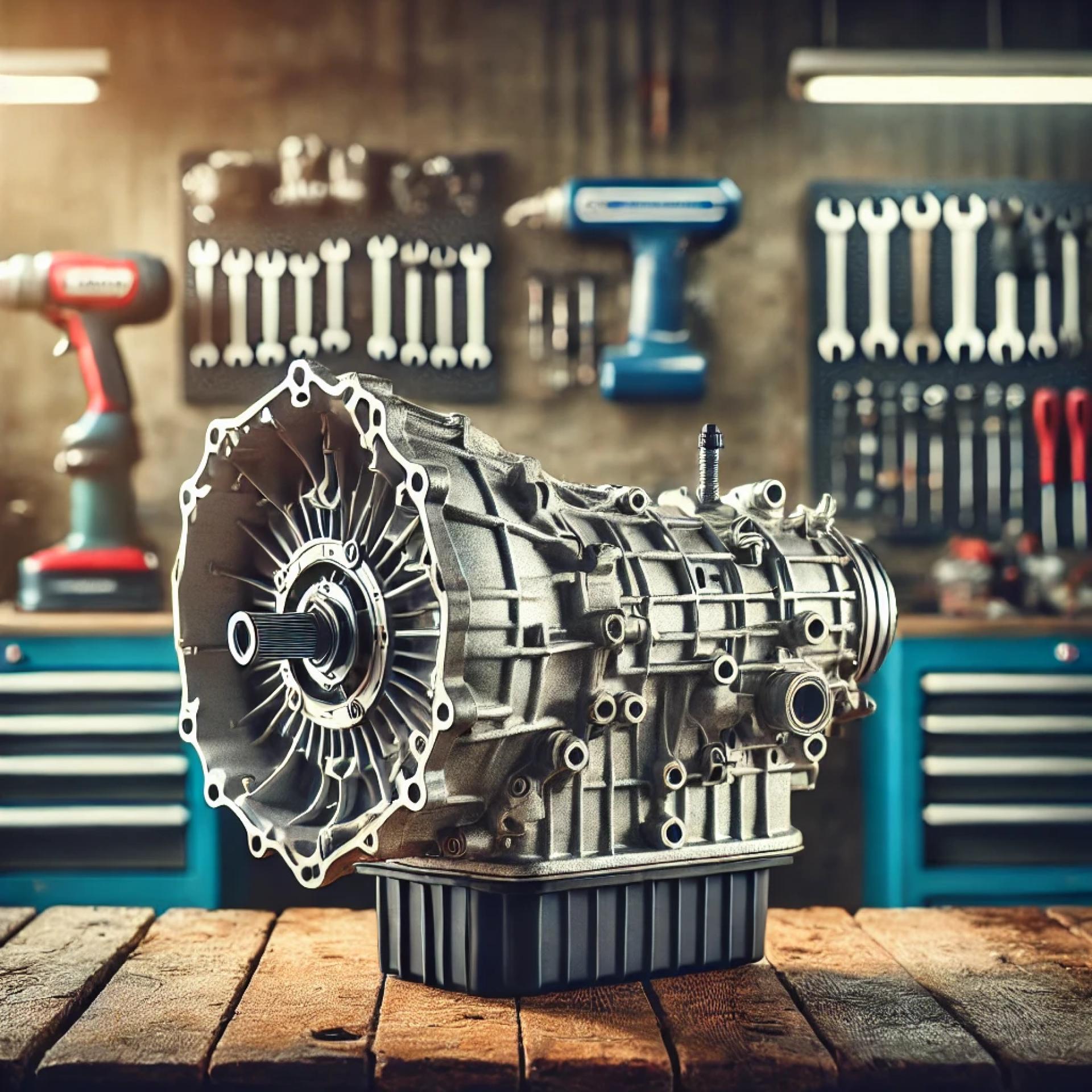

The 2005 Ford F150 transmission is a pivotal component of this robust pickup truck, engineered to deliver seamless performance and unwavering reliability. However, like any mechanical system, it is susceptible to wear and tear, necessitating an informed approach to maintenance and potential repairs. In this article, we will dissect the transmission options available for the 2005 Ford F150, explore prevalent issues owners may encounter, and provide expert guidance on maintaining its longevity.
Transmission Options for the 2005 Ford F150
Ford offered multiple transmission configurations for the 2005 F150, tailored to accommodate varying performance demands and driving conditions. These include:
- 4R75E Automatic Transmission – A four-speed electronically controlled automatic transmission known for its adaptability and torque-handling capability. It succeeded the 4R70E with refined shift patterns and improved durability.
- 5R55S Automatic Transmission – A five-speed automatic transmission designed for select trims, offering smoother gear transitions and better fuel efficiency.
- M5OD-R2 Manual Transmission – A five-speed manual gearbox engineered for drivers who prefer direct engagement and enhanced control over their truck’s performance.
Each of these transmission variants comes with its own strengths, and their suitability largely depends on the driving preferences and workload demands of the owner.
Common Issues with the 2005 Ford F150 Transmission
Despite its reputation for resilience, the 2005 Ford F150 transmission is not impervious to mechanical complications. Some of the most frequently reported issues include:
- Harsh or Delayed Shifting – Many owners have reported erratic shifting behavior, often due to a failing solenoid, worn-out bands, or deteriorated transmission fluid.
- Slipping Gears – A common symptom of transmission wear, gear slippage can result from low transmission fluid levels, a compromised torque converter, or internal clutch damage.
- Transmission Overheating – Prolonged towing or heavy payloads can strain the transmission, causing excessive heat buildup and potential fluid degradation.
- Failure to Engage Reverse Gear – Some drivers have encountered difficulty shifting into reverse, which is often indicative of worn synchronizers, valve body malfunctions, or sensor irregularities.
- Torque Converter Malfunctions – A defective torque converter can manifest as shuddering, transmission slipping, or unusual noises during acceleration.
How to Maintain and Extend the Life of Your Transmission
To ensure the 2005 Ford F150 transmission remains in optimal condition, adherence to a rigorous maintenance regimen is crucial. Here are some indispensable steps to prolong its lifespan:
- Routine Fluid Checks and Replacement – Transmission fluid serves as a lubricant and coolant. Inspecting and replacing it at recommended intervals (approximately every 30,000-60,000 miles) can prevent premature wear and overheating.
- Use Ford-Specified Transmission Fluid – The 2005 F150 is designed to operate with Mercon V ATF. Using the correct fluid type ensures compatibility and enhances overall transmission health.
- Monitor for Leaks – Transmission fluid leaks can lead to catastrophic failure if left unaddressed. Keep an eye on any reddish-brown puddles beneath the truck.
- Avoid Excessive Towing – While the F150 is built for heavy-duty use, excessive towing without auxiliary transmission cooling can accelerate wear.
- Regular Transmission Inspections – Having a professional conduct periodic transmission inspections can help identify issues before they escalate into costly repairs.
- Smooth Driving Habits – Avoid abrupt acceleration and excessive braking, as aggressive driving can contribute to internal transmission strain.
Repair vs. Replacement: What’s the Best Option?
When the 2005 Ford F150 transmission starts showing signs of failure, vehicle owners often face the dilemma of repairing or replacing the unit. Here’s how the options compare:
- Transmission Rebuild – If the damage is limited to specific components, rebuilding the transmission by replacing worn-out parts can be a cost-effective solution.
- Remanufactured Transmission – Opting for a remanufactured unit provides a factory-restored transmission with updated components and an extended warranty, ensuring reliability.
- Brand-New Transmission – Purchasing a brand-new OEM transmission is the most expensive option but guarantees peak performance and longevity.
Conclusion
The 2005 Ford F150 transmission plays a vital role in the truck’s performance and efficiency. Understanding the available transmission types, recognizing early warning signs of failure, and implementing a proactive maintenance strategy can significantly extend its lifespan. Whether you’re a daily commuter, an off-road enthusiast, or a heavy hauler, taking proper care of your F150’s transmission ensures a smooth and dependable driving experience for years to come.






























Sign in to leave a comment.