What most homeowners get wrong is assuming all ants are the same. However, that is not the case. Each species needs a different treatment approach, and this guide will help you with everything you actually need to know. Keep on reading to find out clear and effective steps for ant control services backed by experience.
Common Ant Species in Texas and Why Accurate Identification Matters
You can’t treat what you can’t identify. Ant behavior, diet, and nesting preferences vary by species, and so do the techniques that will work.
- Red Fire Ants: Fire ants are aggressive stingers. You can recognize them by their visible mounds in lawns. That said, they tend to sting people and pets if you try to scatter them.
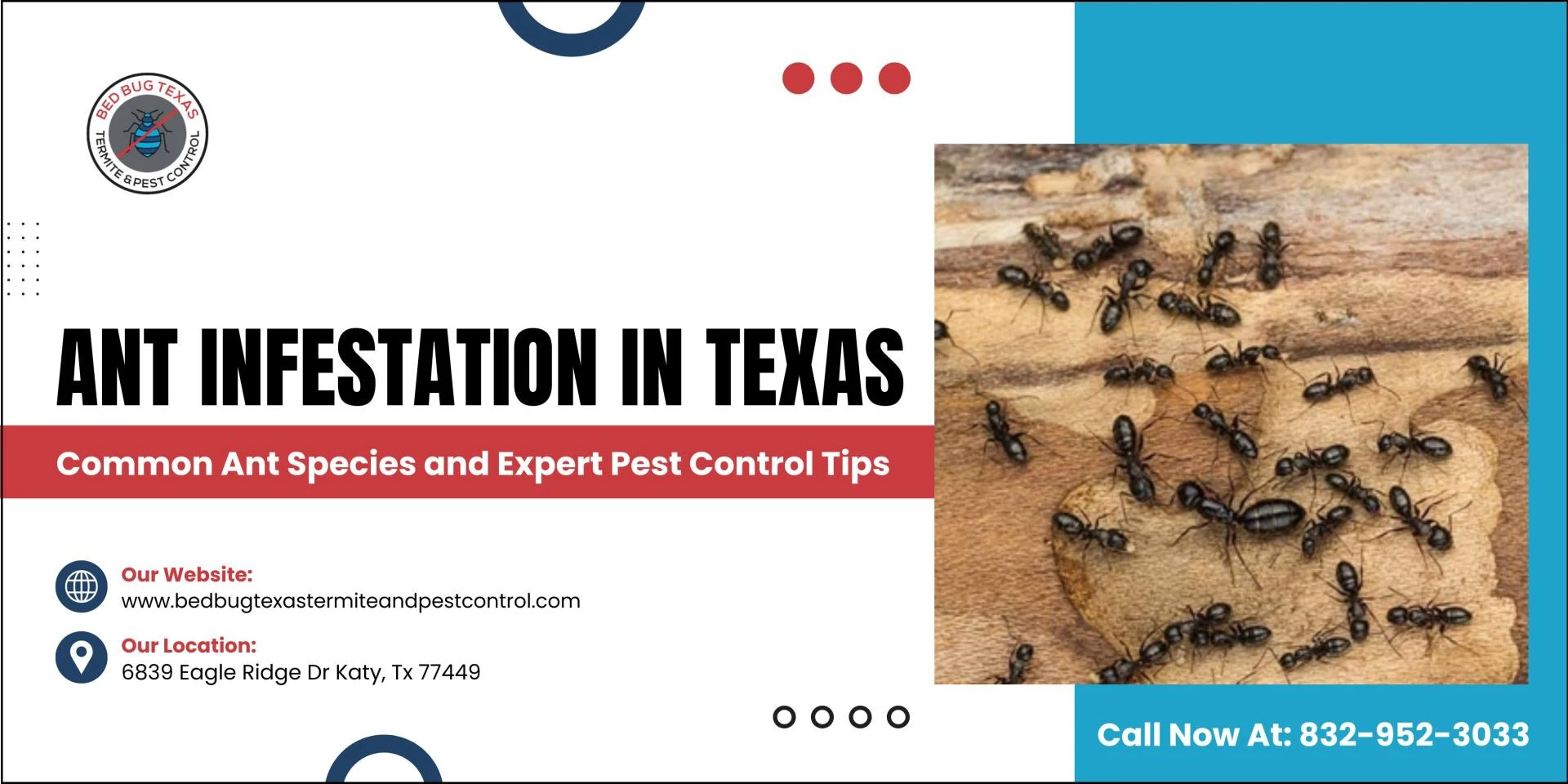
- Carpenter Ants: As the name suggests, carpenter ants are large, dark ants that tunnel into moist or rotting wood and can weaken structures over time. They don’t eat wood like termites, but their galleries cause real damage.
- House Ants & Black (Garden) Ants: This species of ants often invade kitchens for sweets, grease, and crumbs.
- Crazy Ants (Tawny / Rasberry / Nylanderia type): The crazy ant is an erratic, fast-moving forager that can form huge infestations. They’re a different problem as they don’t always localize to a single nest, making standard spot treatments less effective.
- Acrobat, Pharaoh, and other small species: These species are pretty nuisance indoor ants that you find in kitchens, wall voids, and damp areas.
Ant Infestation Prevention Tips: What Homeowners Do Wrong
You need to stop wasting your time performing DIY hacks you saw on a random forum. Pouring bleach or scattering cinnamon are usually temporary resorts, sometimes dangerous. Here’s what you should do instead:
- Eliminate the Food and Water Sources: Make sure to seal food in airtight containers, clean sticky spills immediately, don’t leave pet food out overnight, and fix all leaky faucets. If you don’t remove the food, ants will keep returning.
- Seal Entry Points: Ants tend to follow scent trails. So, replace weather stripping, caulk cracks at the foundation, and around windows and doors.
- Remove Nesting Habitat Near the House: Stack wood away from the structure, and clear leaf litter and debris. Carpenter ants and crazy ants love cluttered, moist environments.
Effective Pest Control for Ants: Treatments That Actually Work
There are three reliable lines of attack: targeted baits, nest treatment, and habitat modification. Which one to use depends on the species and the size of the infestation.
1. Using Baits
Bait is the single best tool for many ant species, but only if you use the right bait and place it properly. Worker ants pick up the bait and carry it back to the nest, poisoning the colony at the source. That’s how you stop house ants, and often carpenter ant colonies.
Place baits along ant trails and at entry points, not sprayed into the air or on the trail itself. This method requires patience because baits can take days to weeks to work. But when they work, they strike at the entire colony.
2. Professional Pest Control for Ants
Some ants require aggressive, professional interventions:
- Pest Control for Carpenter Ants: These can hide in wall voids or roof timbers. Professionals use inspection tools and targeted dusts, foams, or injected termiticides to reach satellite nests. Surface sprays alone rarely eliminate a large carpenter colony. This is why specialty treatments, moisture repair, and structural inspection are essential.
- Fire Ant Pest Control: The proven approach in garden areas is a two-step method: scatter bait over the area (to reduce colonies broadly), then treat each mound individually with mound drenches. Do not try to drown or club fire ants, or you’ll get stung. Always call professional help for correct treatment strategies and long-term relief.
- Crazy Ants Pest Control: These ants are said to be sodium-loving, nest in diffuse locations, and thrive in moist microhabitats. Effective control often combines baits, perimeter treatments, and moisture-reduction steps performed by trained technicians.
3. Prevention-Focused Treatments
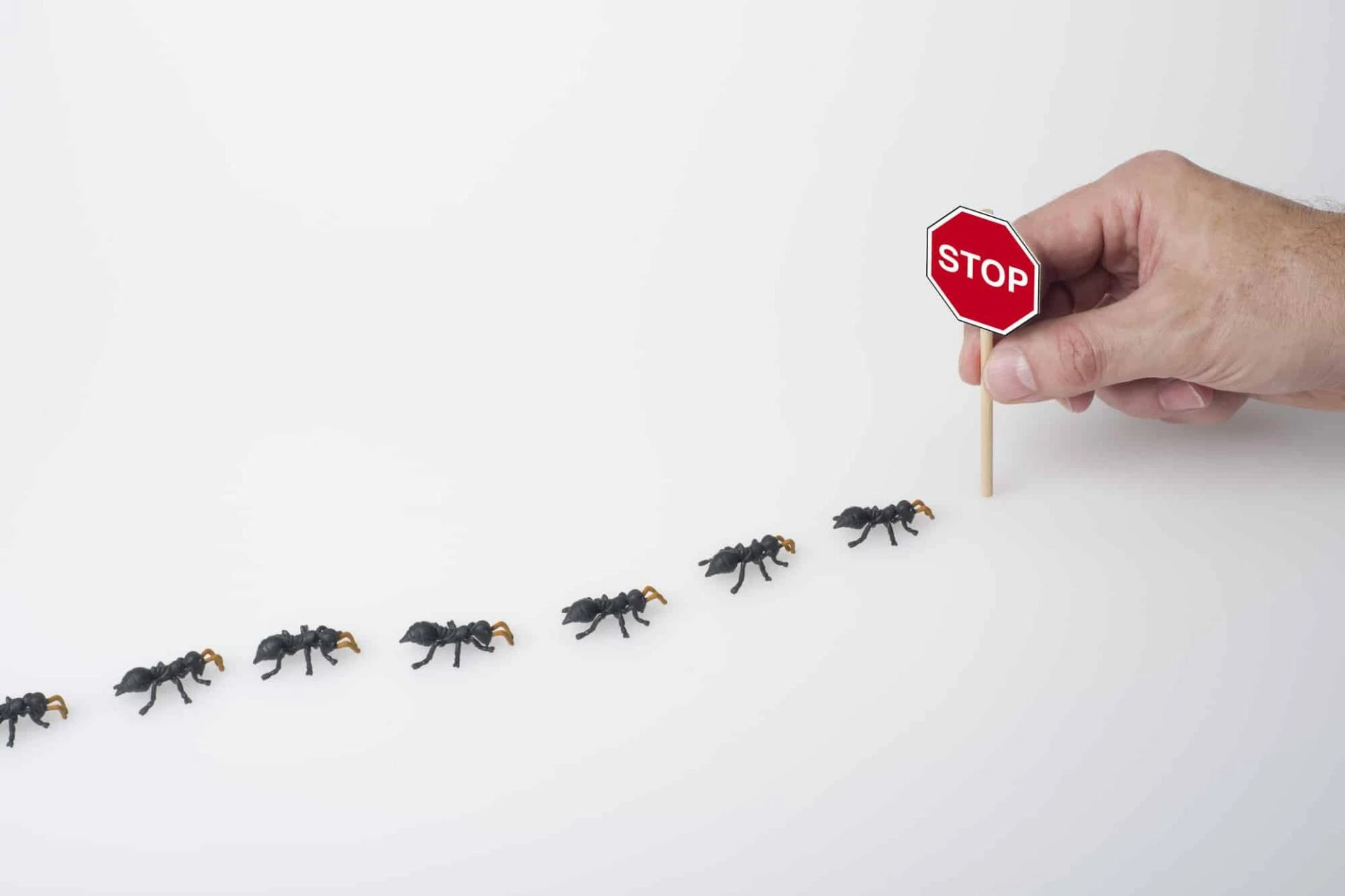
These treatments create a barrier around the home that reduces the risk of re-infestation. But the truth is that a single perimeter spray is not a guarantee. It only helps when combined with baits, exclusion work, and moisture control.
For carpenter ants, fixing the moisture problem and replacing rotted wood is non-negotiable because they will leave one place and make a home in another gallery of your home.
When to Hire Professional Pest Control for Ants in Texas
Call a qualified company when you have carpenter ants in structural wood, painful stings (fire ants), ants are inside with dozens of sighting points, or DIY methods have failed.
What professional pest control for ants should include:
- Thorough inspection (attic, crawlspace, landscaping, electrical boxes) to find nests and conducive conditions.
- Species-specific plan, such as baiting, targeted dusting, or mound treatments as demanded by the situation.
- Moisture and habitat advice, including repair recommendations for leaks, trimming tree limbs, and removing wood to soil contact.
- Follow-up visits because one visit is not always enough to handle a big infestation. Experts should monitor bait uptake and adjust strategy accordingly to get the best results.
Essential Ant Control Action Plan for Texas Homeowners
- Clean the kitchen and remove food attractants.
- Follow a visible trail to find the entry point and set baits (on the trail), not sprays.
- Reduce moisture: repair leaks and ventilate crawlspaces.
- Relocate woodpiles and trim vegetation away from the house.
- If you see carpenter ants inside or painful stings from fire ants, call a licensed pest professional immediately. Delays only mean more damage or more colonies.
Final Words
Ants in Texas aren’t just pests, as they can cause some real damage. DIY fixes only delay the problem. Effective control means identifying the species, targeting nests, and addressing what attracts them.
For fire ants, carpenter ants, crazy ants, or black ants, professional pest control for ants is the only reliable solution. Act now before colonies grow because your home deserves more than temporary fixes.
FAQ
1. What is the best Pest Control for Ants in Texas?
Ans: The best pest control for ants in Texas involves professional inspection, targeted treatment, and long-term prevention offered by Bed Bug Texas Termite and Pest Control.
2. How does Pest Control for Carpenter Ants work?
Ans: Pest control for carpenter ants includes identifying nesting sites, applying safe treatments, and sealing entry points to prevent structural damage to your property.
3. Why choose Professional Pest Control for Ants instead of DIY methods?
Ans: Professional pest control for ants ensures thorough elimination using expert methods, reducing recurrence and protecting your home more effectively than DIY sprays.
4. How can I get rid of Fire Ants permanently?
Ans: Fire Ant Pest Control services from Bed Bug Texas Termite and Pest Control use advanced baiting and treatment techniques to remove colonies and prevent future infestations.
5. How often should I schedule Pest Control for Ants?
Ans: It’s recommended to schedule professional ant pest control every 3–6 months for ongoing protection, especially during warmer months when ants are most active.
























Sign in to leave a comment.