
Choosing the right ladder for your home or workplace can feel overwhelming. With so many shapes, sizes, and materials available, understanding what matters most makes all the difference. Before making a decision, it helps to explore what this type of ladder offers, how it compares to other ladders, and what features you should consider based on your needs.
What Makes a Steel Folding Ladder a Smart Choice?
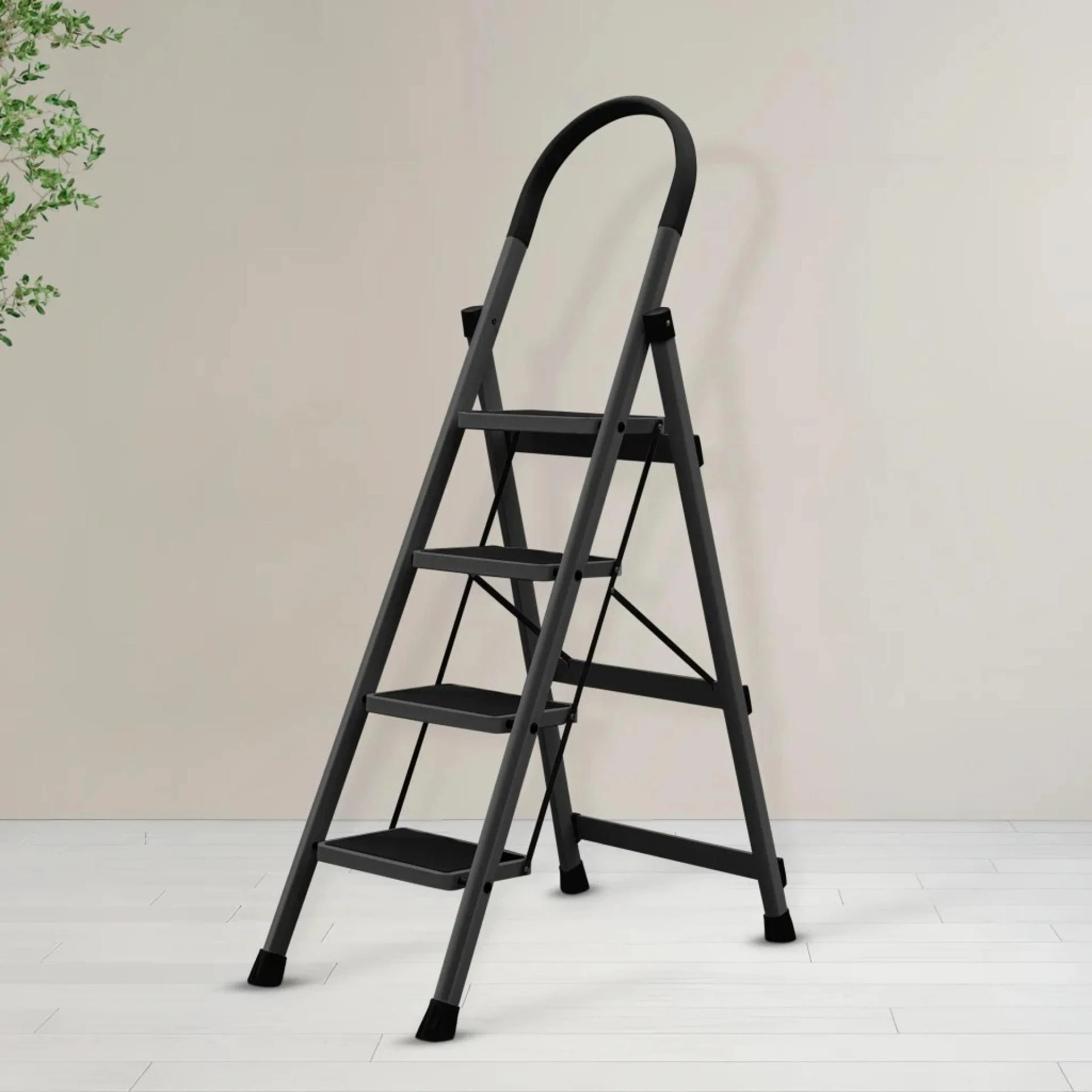
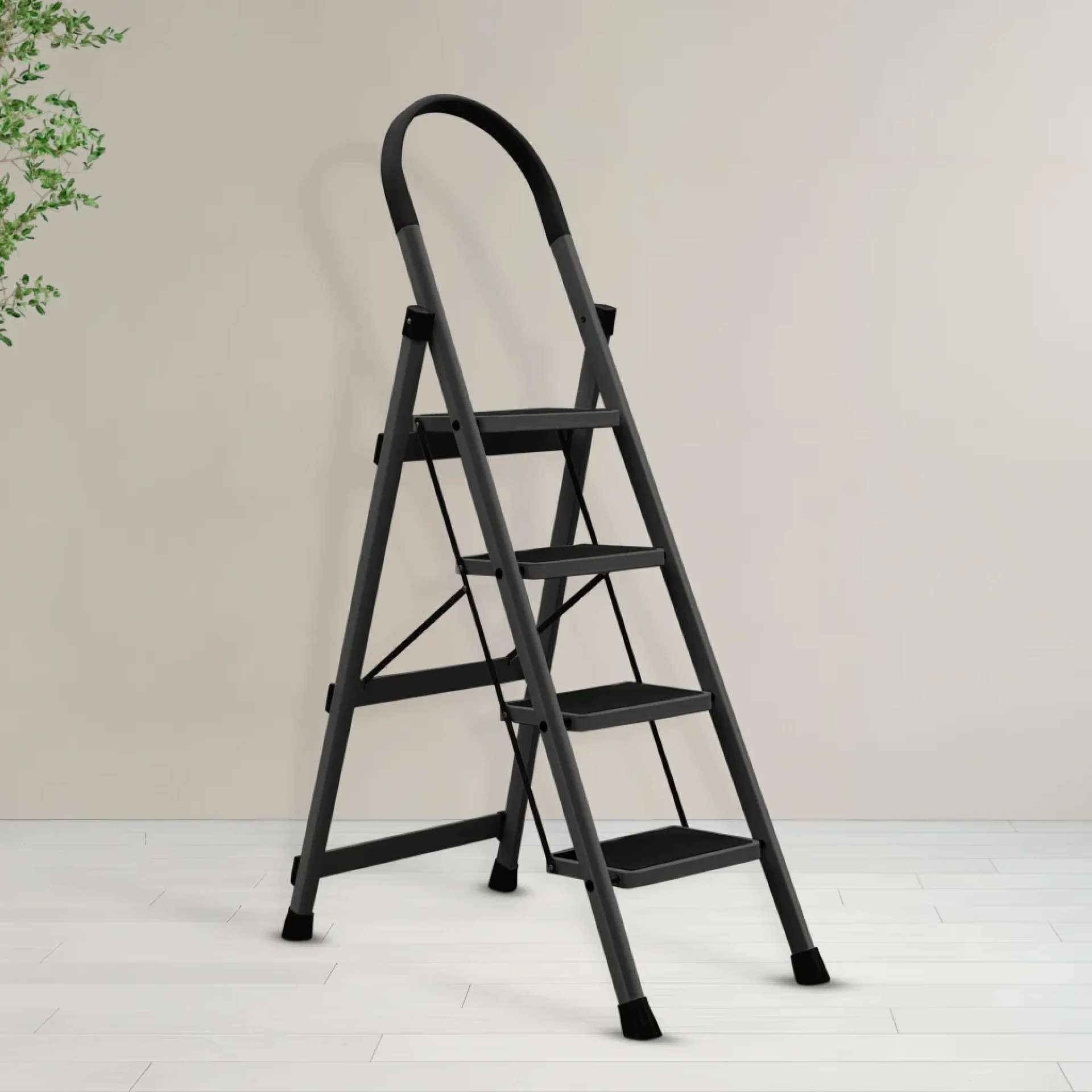
A Steel Folding Ladder is widely valued for its durability and practicality in a range of everyday tasks. The Apex 4‑step ladder, constructed from mild steel and finished in black, provides sturdy support for a variety of household and maintenance activities. Unlike wooden ladders that can warp or fiberglass ladders that may degrade from prolonged sun exposure, steel maintains structural integrity under demanding conditions. Whether you are changing light bulbs, reaching storage shelves, painting walls, or conducting simple maintenance work, a well‑built steel ladder provides reliable support.
This type of ladder is particularly suited to environments where frequent use and heavier loads are expected. The robust construction of the Apex ladder distributes weight evenly and helps reduce the risk of bending or instability over time. Many homeowners and professionals alike prefer steel for routine tasks simply because it delivers confidence during use.
Key Features to Evaluate
When you are considering a ladder, several core aspects should guide your evaluation. Not all ladders are created equal, and a closer look at specific features ensures you choose the right tool for your needs.
Stability and Structural Support
Stability begins with the base and the way the ladder is engineered. A sturdy ladder with wider feet and secure grips on the legs is less likely to slip, especially on smooth or tiled surfaces. The Apex 4‑step ladder features reinforced joints and consistent frame thickness, which help it withstand frequent opening and folding without loosening.
Foldable Design and Storage
Space efficiency matters in most homes and workplaces. A foldable ladder like the Apex 4‑step can be tucked away in a closet, garage, or utility corner with minimal effort. The simple folding mechanism allows for quick storage and deployment, making routine tasks easier to complete.
Weight Load Capacity
Different ladders are rated for different weight capacities. This rating is not only about your body weight but also includes any tools or equipment you might carry while climbing. The Apex mild steel ladder is designed to support significant loads safely, with a clear rating that aligns with standard safety guidelines. Choosing a ladder with sufficient capacity ensures that you are not pushing the limits of the design during use.
Height and Reach
Think about the tasks you perform most often. Are you reaching ceilings, changing fans, accessing high shelves, or working on outdoor projects? The four steps on this Apex ladder provide comfortable working height for most household tasks, allowing access without standing on the top rung.
Ease of Use and Safety Locks
A ladder may have locking mechanisms to secure it in an open position. The Apex ladder features safety locks that are easy to engage and disengage, providing reliable support and preventing accidental folding while in use. Ergonomic handles and clear visual indicators add to the overall security during operation.
Materials Matter: Why Steel Stands Out
Steel frames stand out among ladder materials because they offer high tensile strength and resistance to deformation. Compared to aluminum, steel can handle rougher wear and heavier use over time. While steel ladders may weigh slightly more than aluminum counterparts, their sturdiness outweighs this minor inconvenience, especially when durability and long-term reliability are priorities.
A mild steel ladder with a black finish is resistant to flexing or warping, which can occur with wood in humid or fluctuating temperatures. With proper treatment, mild steel also resists rust and corrosion, extending the ladder’s lifespan.
Comparing Alternatives
To make an informed decision, it helps to contrast steel ladders with other common options.
Wooden Ladders
Wooden ladders are traditional and often budget‑friendly. However, they can become brittle or splinter over time. Exposure to moisture can cause rot, and warmth or cold can expand or contract the material. Safety depends greatly on proper care and storage.
Aluminum Ladders
Aluminum is lightweight and resistant to rust, making it attractive for occasional use. It may not support as much weight as steel and can flex more under load. For jobs requiring frequent use or heavier gear, aluminum may feel less stable.
Fiberglass Ladders
Fiberglass does not conduct electricity, which is a significant advantage for electrical work. It is also durable and weather resistant. However, fiberglass ladders tend to be more expensive and heavier than other materials. Unless you need non‑conductivity, a mild steel ladder with a black finish is a balanced combination of strength and usability.
Practical Tips Before You Buy
Before making your decision, take a few practical steps to ensure the ladder you choose matches your lifestyle and tasks.
Measure Your Space:
Measure the highest point you need to reach and compare it to the ladder’s working height. The Apex 4‑step ladder provides a compact yet practical reach for common household and maintenance needs.
Check the Weight Rating:
Ensure the maximum load rating includes both your body weight and any tools or materials you might carry.
Test the Folding Mechanism:
If possible, test how easily the ladder opens and folds. A smooth mechanism can save frustration in everyday use.
Look for Certifications:
Safety certifications from recognized standards organizations indicate that the ladder has been tested to meet specific safety requirements.
Read User Feedback:
Customer experiences can highlight real‑world insights about durability, ease of use, and any maintenance considerations.
Everyday Uses for a Ladder
A sturdy ladder becomes an invaluable tool around the home or workplace. Common tasks include reaching high shelves, replacing fixtures, cleaning gutters, trimming trees, painting walls, and accessing storage in attics or lofts. The Apex 4‑step ladder is well-suited for these everyday chores, providing stability and convenience without occupying much space.
Having a stable ladder encourages safer working practices. Instead of standing on chairs or unstable surfaces, the right ladder provides solid footing and control.
Caring for Your Ladder
Once you choose a ladder, maintaining it helps extend its usefulness.
Clean the frame regularly to remove dust or debris that can accumulate in hinges and joints. Inspect locking mechanisms for any signs of wear and lubricate moving parts if needed. Store the ladder in a dry, sheltered space to prevent rust and environmental wear. Regular visual inspections ensure that any potential issues are caught early. Avoid using the ladder if you notice bent rails, loose locks, or significant corrosion. Safety always comes first.
Conclusion
Selecting the right ladder involves more than just picking a convenient size. A well‑constructed ladder offers strength, stability, and peace of mind during both everyday chores and occasional tasks. By considering materials, weight capacity, ease of use, and safety features, you can make a thoughtful decision that serves you well for years. The Apex 4‑step mild steel ladder with a black finish balances performance, reliability, and compact usability, making it an excellent choice for home or professional use.



























Sign in to leave a comment.