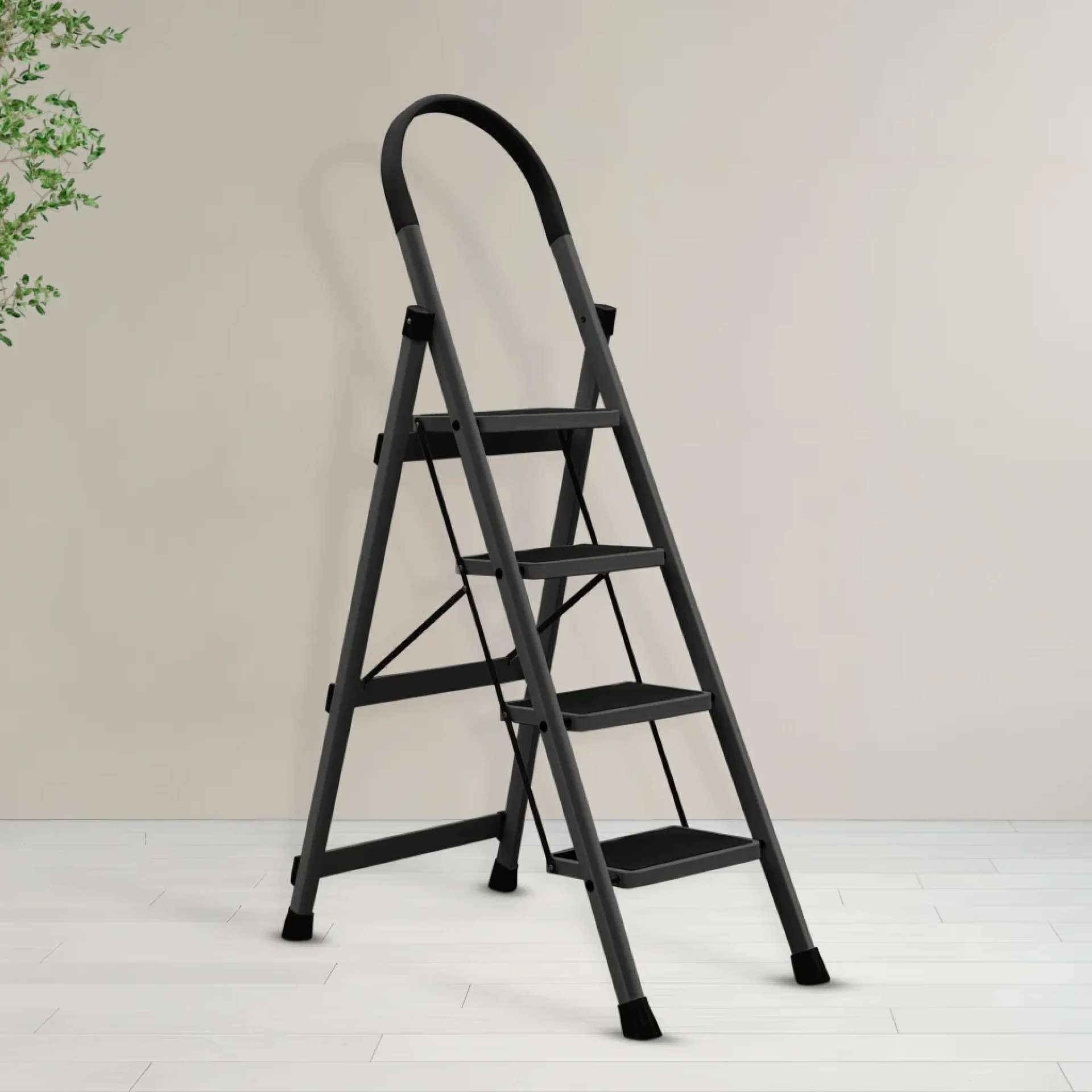

Step ladders are widely used tools in homes, offices, and workspaces because they provide safe access to elevated areas for everyday tasks. Whether it is cleaning ceiling fans, reaching overhead storage, painting walls, or carrying out light maintenance, a step ladder often becomes part of routine life. Because of this frequent use, proper care and maintenance are essential. A well maintained ladder not only lasts longer but also reduces the risk of accidents caused by wear, instability, or overlooked damage.
Maintaining a ladder does not require technical expertise, but it does demand consistency and awareness. Simple habits such as regular inspection, correct storage, and mindful usage can make a noticeable difference over time. When a ladder is treated as a long term utility rather than a temporary tool, it continues to support daily tasks safely and comfortably.
Regular inspection before use
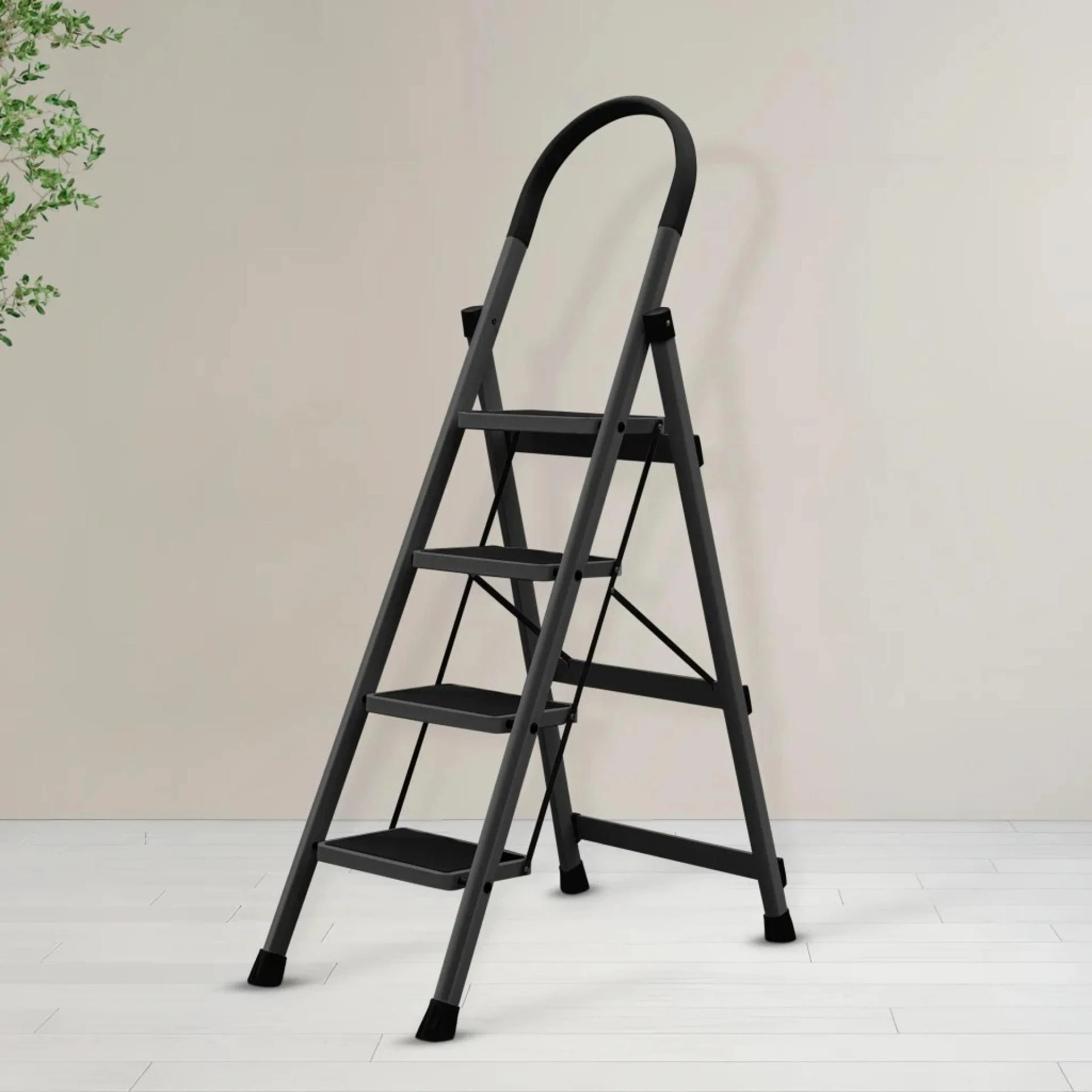
Comfortable step ladder use begins with a basic inspection before every task to ensure safety and ease of movement. Checking the frame, steps, and joints helps maintain stability, especially when the ladder is used frequently for household activities. This becomes even more important when using a 4-step ladder, as additional height requires consistent balance and structural support. Look for loose joints, bent frames, or uneven legs, since even minor issues can affect confidence while climbing.
Pay close attention to the steps themselves. They should be firmly attached and free from cracks or excessive wear. If the ladder has textured or anti slip step surfaces, ensure these areas are clean and intact. Worn or smooth steps reduce grip and increase the chance of slipping, particularly when working at higher levels.
Keeping the ladder clean
Dust, grease, and moisture can slowly reduce ladder safety if not addressed. Cleaning the ladder regularly helps maintain both grip and structural integrity. Wipe down steps and side rails with a dry or slightly damp cloth to remove dirt buildup. Avoid using harsh chemicals that could weaken coatings or create slippery residues.
For a ladder that is used indoors and occasionally outdoors, cleaning becomes even more important. Outdoor use may introduce moisture or debris that should not be left on the ladder for extended periods. A clean ladder is easier to inspect and safer to use, as potential issues are more visible.
Proper storage practices
How a ladder is stored plays a major role in its longevity. When not in use, it should be kept in a dry, stable environment away from direct exposure to moisture or extreme temperatures. Leaning a ladder improperly against a wall or storing it on uneven ground can cause gradual bending or misalignment.
Folding step ladders should always be stored in their fully closed position. This reduces stress on hinges and joints and prevents accidental damage. A ladder, due to its height, should be stored in a way that keeps it from tipping over or being used as a support for other objects.
Safe usage habits
Maintenance is not limited to physical care. Using a ladder correctly also preserves its condition. Always place the ladder on a flat and stable surface before climbing. Avoid using it on slippery floors or uneven ground without proper support.
Climbing beyond the recommended step height or overloading the ladder can weaken its structure over time. Even if damage is not immediately visible, repeated misuse can reduce stability and comfort. By following safe usage practices, users help maintain the ladder’s original balance and strength.
Checking hinges and joints
Hinges and locking mechanisms are critical components of step ladders. These parts allow the ladder to open securely and remain stable during use. Over time, hinges may loosen or accumulate dust, affecting their performance.
Regularly check that hinges open smoothly and lock firmly into place. If a joint feels stiff or unstable, it should be addressed before further use. Keeping these mechanisms clean and functioning properly ensures the ladder remains steady, particularly when climbing higher steps.
Maintaining step comfort over time
Comfort is an often overlooked aspect of ladder maintenance, yet it directly affects user safety. Wide and well supported steps help distribute weight evenly, reducing foot strain during prolonged tasks. Over time, worn step surfaces or loose fittings can compromise this comfort.
Inspect step edges and surfaces periodically to ensure they remain secure and supportive. Addressing minor wear early helps preserve the ladder’s usability and prevents discomfort that could lead to rushed or unsafe movements while working at height.
Understanding wear and replacement
No ladder lasts forever, and part of proper maintenance is recognizing when replacement becomes necessary. Visible cracks, unstable joints, or persistent wobbling are signs that the ladder may no longer be safe to use.
For a 4-step ladder that supports frequent household tasks, timely replacement is a responsible decision rather than a failure of maintenance. Knowing the limits of a tool is as important as caring for it, and replacing it when necessary helps maintain a safe environment.
Conclusion
Maintaining a step ladder is a simple yet essential responsibility for anyone who relies on it for daily tasks. Regular inspection, cleaning, proper storage, and mindful use all contribute to safety, comfort, and long term reliability. By paying attention to these small but meaningful practices, users can ensure their ladder continues to support everyday work effectively and safely, making maintenance a practical habit rather than a reactive task.





























Sign in to leave a comment.