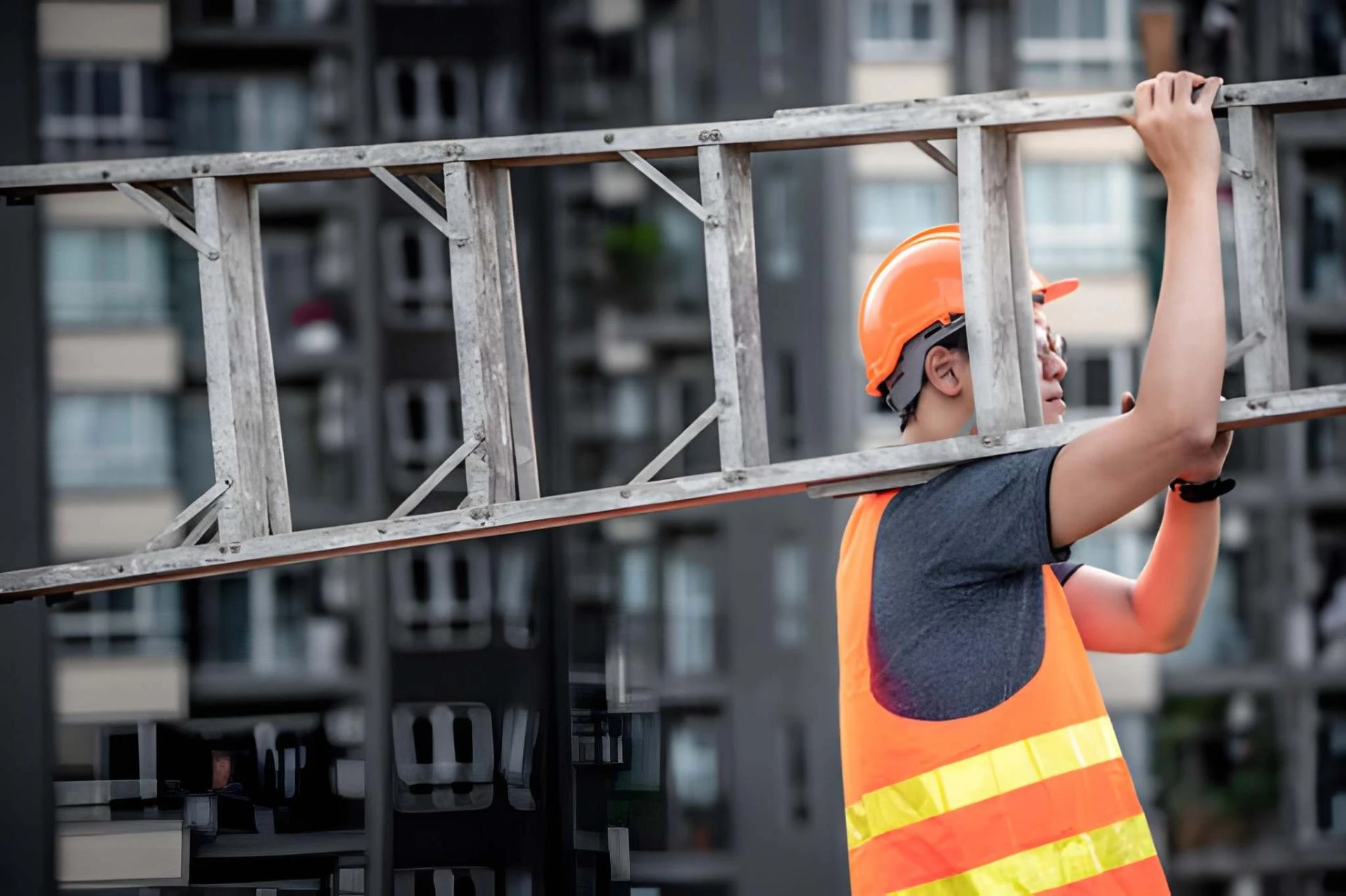

Every worksite runs on time. Whether it is a construction site, a warehouse, a paint job, or a maintenance task, the tools a worker carries determine how fast and how safely the work gets done. Most people focus on the big equipment, the drills, the scaffolding, the power tools. But there is one simple piece of equipment that quietly shapes the pace of an entire workday, and it often gets overlooked: the folding ladder.
When you choose the right folding ladder for the job, you are not just choosing a way to reach a higher shelf. You are choosing how long a task takes, how safe your worker feels at height, and how much energy gets wasted moving between spots. The right ladder keeps work moving. The wrong one slows everything down.
Why the Type of Ladder You Use Actually Matters
Not all ladders are built the same way, and not all worksites have the same demand. A ladder that works perfectly in a home setting may be completely inadequate on a busy factory floor or a construction site where workers are climbing up and down dozens of times a day.
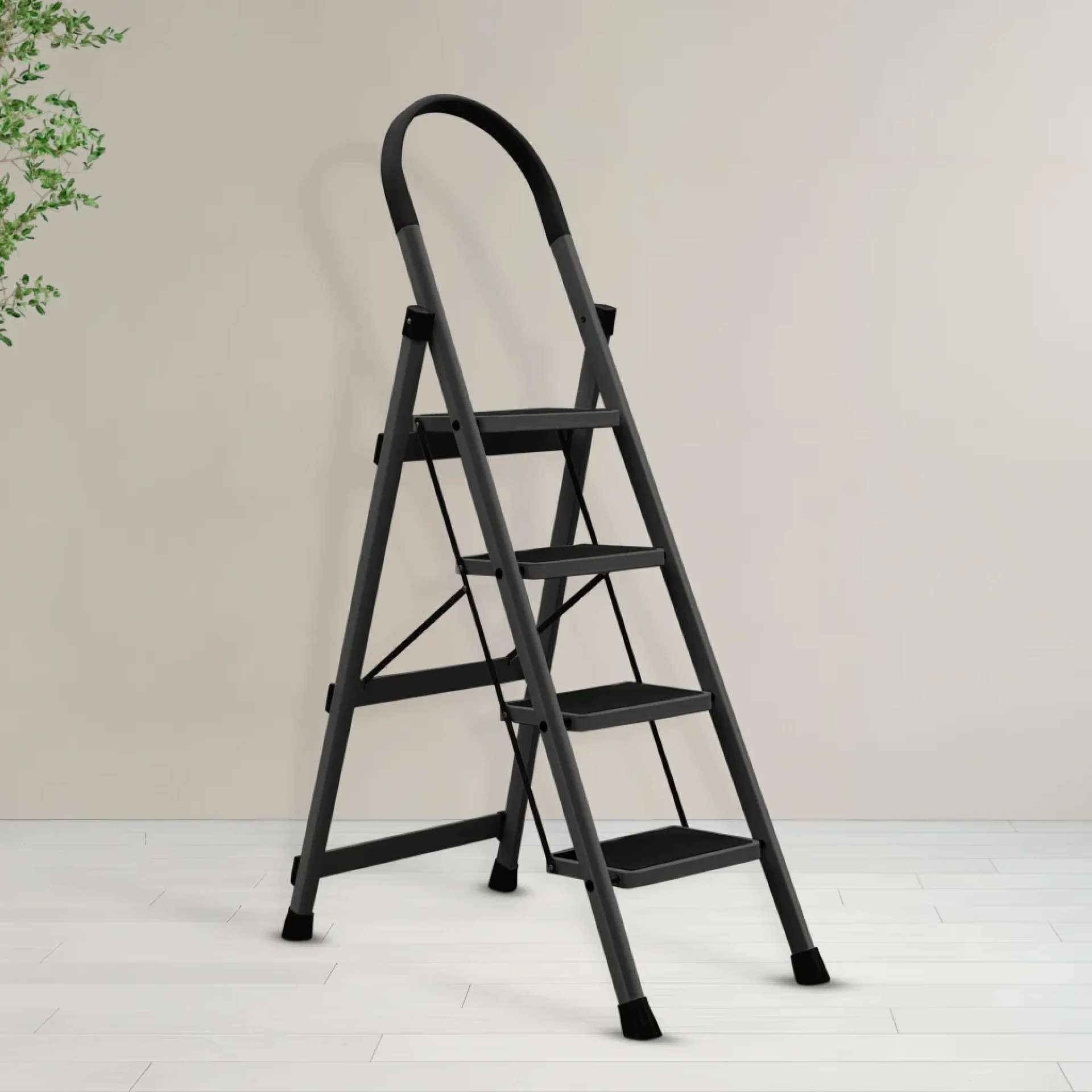
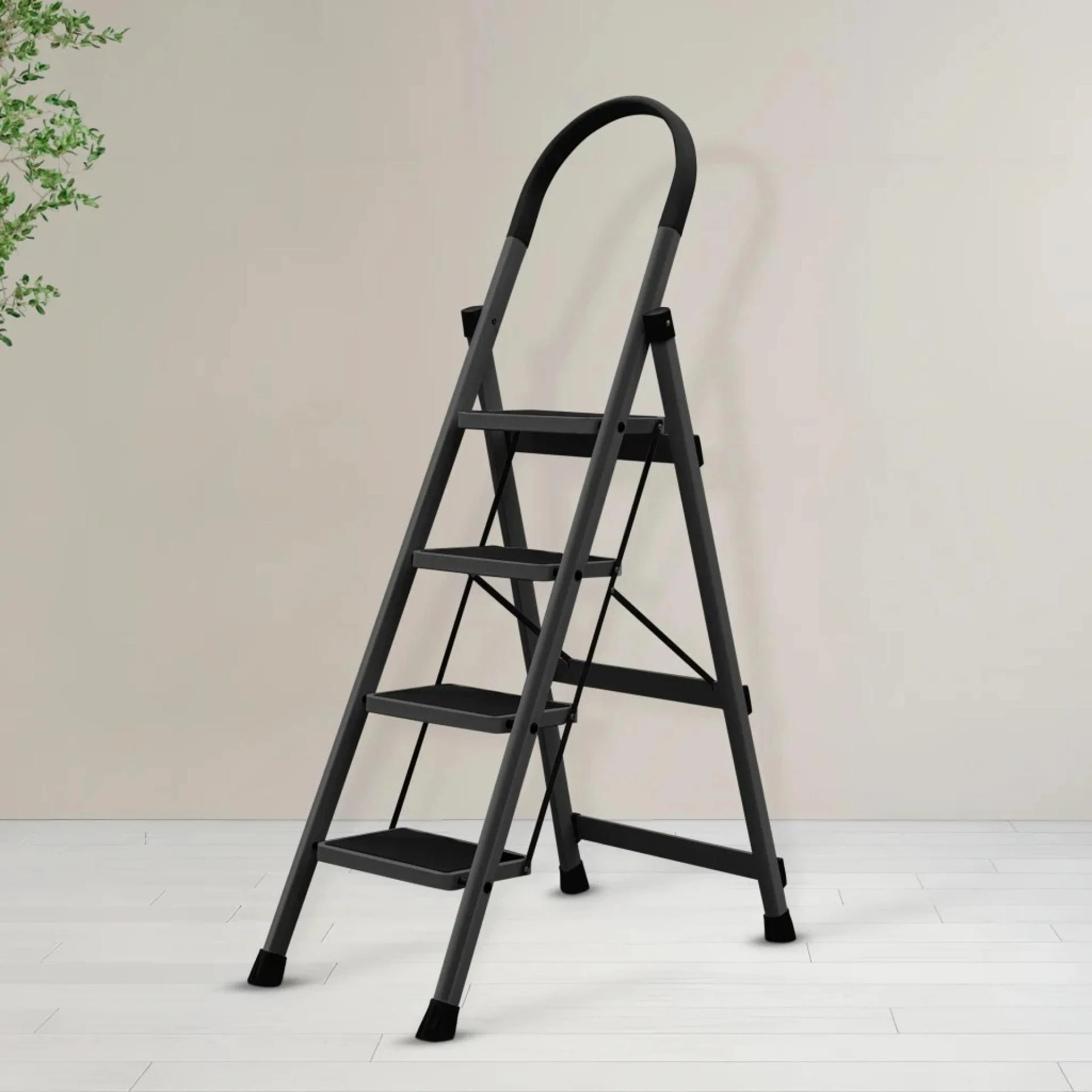
This is where the design of a quality industrial ladder makes a real difference. Built for repeated, heavy use, these ladders are engineered with wider steps, stronger frames, and locking mechanisms that hold firm under load. When a worker does not have to think about whether the ladder beneath them is stable, they can focus entirely on the task at hand. That shift in focus alone adds up to measurable time saved over the course of a workday.
The Folding Advantage: More Than Just Compact Storage
The folding design of a ladder is often marketed purely as a storage benefit. It folds flat, takes up less space, easy to carry. All of that is true. But the real productivity gain from a folding ladder goes deeper than saving space in the storage room.
On an active worksite, movement matters. A worker who needs to relocate a ladder from one end of a warehouse to another, up a stairwell, or through a narrow corridor loses time with every move. A heavy, bulky ladder becomes an obstacle in itself. A well-designed folding ladder, on the other hand, collapses quickly, travels easily, and sets up in seconds. That means less time transitioning and more time working.
In environments like retail stockrooms, paint jobs, or facility maintenance, where the same worker handles tasks across multiple locations in a single shift, this ease of movement compounds. Small time savings at every transition add up to a genuinely more productive day.
Stability Builds Confidence, and Confidence Builds Speed
There is a psychology to working at height that does not get discussed enough. When a worker stands on a ladder that wobbles, creaks, or shifts underfoot, the natural response is to move slowly and cautiously. Even a small amount of uncertainty at height causes workers to hesitate. They hold on longer than needed, double-check every step, and avoid reaching too far in any direction.
A ladder with a solid aluminium frame, secured hinges, wide non-slip steps, and anti-skid rubber feet removes that uncertainty. The worker feels grounded even when they are several feet off the ground. That confidence translates directly into faster, more fluid movement on the ladder and a willingness to do the job properly without cutting corners out of anxiety.
Safety and speed are not opposites. The right equipment makes both possible at the same time.
Choosing the Right Ladder for the Right Task
One of the most common productivity mistakes on worksites is using a ladder that is not matched to the specific task. A three-step ladder on a job that needs five steps means the worker is stretching, overreaching, or coming down and repositioning constantly. An oversized ladder on a simple task wastes setup time and takes up floor space that gets in the way of other workers.
Matching the ladder height to the task is basic, but it is frequently ignored. Beyond height, consider the surface the ladder will stand on. Smooth warehouse floors, outdoor uneven ground, and tiled surfaces each demand different grip and foot design. Consider also the weight the ladder needs to support. A ladder rated for 100 kg used by someone carrying tools and equipment near or above that limit is both a safety risk and a liability waiting to happen.
When worksites take time to match the right ladder specifications to each job type, the results show up in fewer interruptions, fewer near-misses, and a cleaner, faster workflow across the board.
Maintenance and Inspection: Keeping Productivity Consistent
A ladder that gets inspected and maintained regularly is a ladder that works reliably every time it is picked up. Loose hinges, worn anti-skid pads, bent steps, and surface corrosion are not just safety concerns. They are productivity killers. A ladder that unexpectedly fails mid-job stops an entire task dead and may put a worker out of action for far longer.
Building a simple pre-use check into the team's routine takes under a minute and prevents hours of potential downtime. Check the hinges are locked, the feet are intact, the steps are free of debris, and the frame shows no visible damage. This habit protects both the worker and the workday.
Conclusion
The folding ladder is a small investment with a surprisingly large impact on how smoothly a worksite runs. When it is the right height, the right material, built for the right load, and properly maintained, it fades into the background and just does its job. Workers move faster, feel safer, and waste less time on repositioning and second-guessing. Productivity on a worksite is built from dozens of small decisions made well. Choosing the right folding ladder is one of the simplest and most overlooked of them all.


























Sign in to leave a comment.