A few years ago, not many people outside of the trade had heard of Dekton. Now it comes up constantly when homeowners start researching worktop materials — and if you have been doing your own research, you have probably landed on it more than once already.
So what is it, really? Dekton is an ultra-compact surface — not a natural stone, not quartz, something in its own category entirely. It is made by compressing a mixture of raw materials under enormous heat and pressure. That process gives it a density and toughness that most other surfaces simply cannot match. The finish is consistent all the way through, which matters more than people realise until something goes wrong with a lesser material.
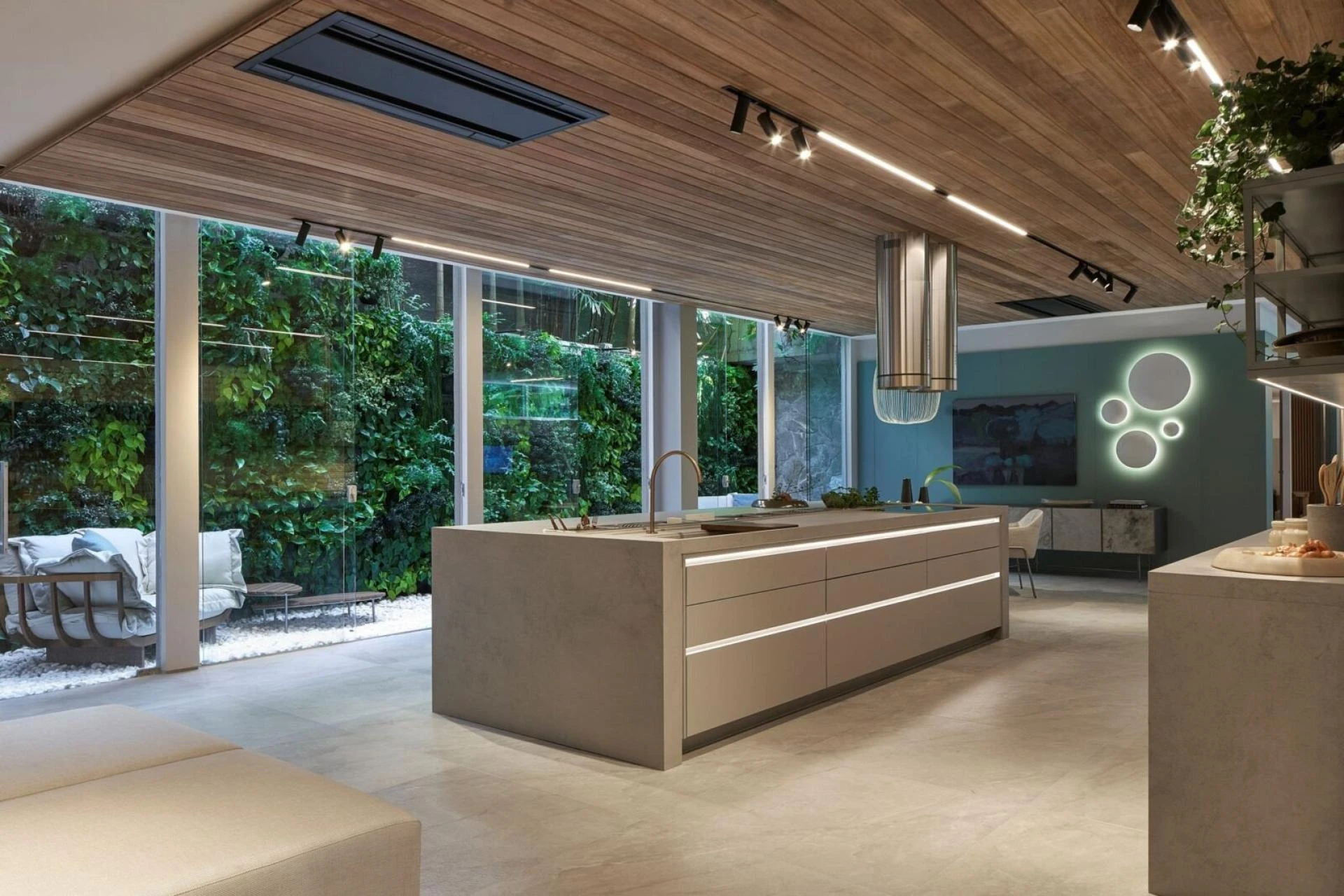
What draws people in initially is usually the look. The range of finishes is genuinely broad — some designs mimic marble or concrete, others have their own distinct character. But looks alone would not explain why dekton worktops have built such a strong reputation. That part comes down to how they actually perform in a real kitchen.
Can a Dekton Worktop Really Handle Everything a Busy Kitchen Throws at It?
This is the question worth spending time on. Showroom surfaces always look impressive. The real test is two or three years down the line when the novelty has worn off and the kitchen is being used properly.
Heat is the first thing most people ask about. A dekton worktop can take a hot pan straight from the hob without any issue. No scorching, no cracking, no need to hunt for a trivet every time you are mid-cook. For people who cook regularly, that is a genuinely big deal — not a small convenience.
Staining is another area where it performs well above average. The surface is almost entirely non-porous, so things like red wine, coffee, turmeric, and cooking oils do not sink in. They sit on the surface and wipe away. Anyone who has scrubbed a stained marble or laminate worktop at eleven at night will know exactly why this matters.
Scratches are less of a concern than with softer materials, though Dekton is not completely immune. Under normal kitchen use — chopping, placing dishes, general activity — it holds up very well. It is only under particularly aggressive treatment that you would expect to see any surface damage, and even then it takes some effort.
Where people do sometimes get caught out is with sharp impacts on the edges. The material is hard, which is mostly a strength, but a heavy dropped object hitting a corner at the wrong angle can chip it. It is not a common problem but it is an honest one worth knowing before you make your decision.
How Does It Compare to Other Worktop Materials Honestly?
Marble looks incredible but it demands a lot from you in return. It etches when acidic foods touch it — lemon juice, vinegar, tomatoes — and it stains if spills are not caught quickly. Sealing it regularly helps but does not solve the problem completely. For some people that trade-off is fine. For others it becomes exhausting.
Granite is tough and has been a reliable kitchen worktop choice for decades. The limitations are mainly around variety — you are working with what nature provides, and the colour and pattern options are fixed. Dekton kitchen worktops give you far more flexibility in terms of how the finished kitchen looks, while actually outperforming granite in areas like UV resistance and heat tolerance.
Quartz composites are probably the most direct comparison. They look great, they are practical, and they are widely available. But quartz can be sensitive to prolonged heat and direct sunlight, which causes issues in certain kitchen layouts. If your kitchen gets a lot of natural light or you are designing a space that connects to the outside, that is worth factoring in.
What Makes the Dekton Laurent Worktop Worth a Closer Look?
Within the Dekton range, the Dekton Laurent worktop is one that consistently gets attention. It has a warm, earthy quality with gentle tonal variation running through it — not the dramatic movement you see in some marble-effect surfaces, but something quieter and more considered.
It works across different kitchen styles without feeling forced. Paired with dark cabinetry it feels rich and grounded. Alongside lighter units it brings warmth without dominating the room. That kind of versatility is harder to find than it sounds, and it explains why Laurent gets specified so often by designers working across very different projects.
Final Thoughts
There is a reason dekton kitchen worktops keep appearing on shortlists when people are seriously researching their options. The combination of durability, low maintenance, and genuine design variety is difficult to argue with.
If you are at the stage of looking at suppliers, Stone Sense is worth a conversation. They stock Dekton across a wide range of finishes and bring real knowledge to the process — which makes a difference when you are making a decision that will shape how your kitchen looks and functions for years to come.

























Sign in to leave a comment.