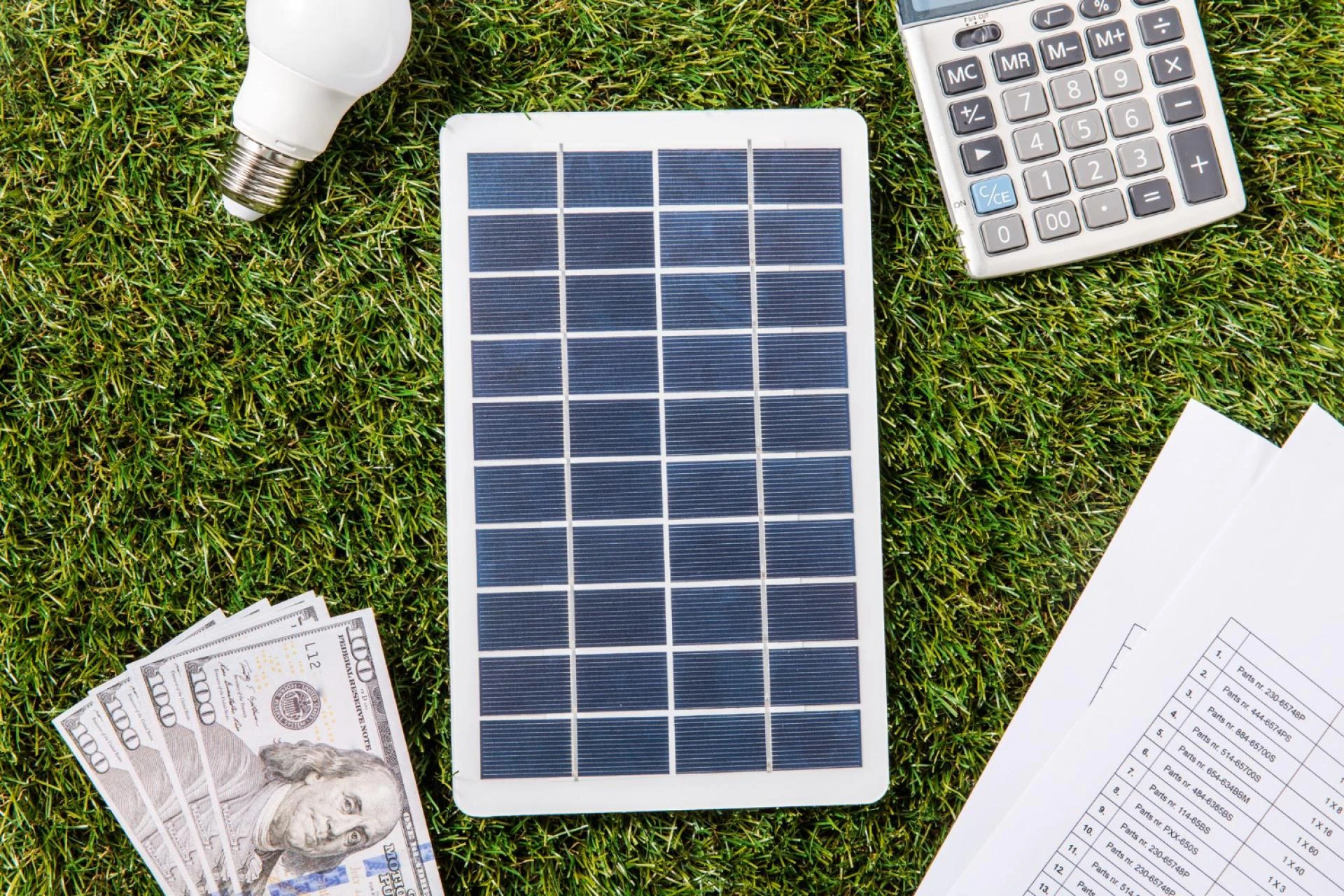

India has been making significant strides in solar energy adoption, with the government actively promoting renewable energy sources through various initiatives. However, one of the key challenges with solar power is its intermittent nature. This is where solar inverter batteries come into play.
These batteries store excess energy generated during the day, making it available for use at night or during power outages, which are common in many parts of India. But are they a smart investment for Indian households and businesses? This article provides an in-depth cost-benefit analysis to help you make an informed decision.
Understanding Solar Inverter Batteries
What Are Solar Inverter Batteries and How Do They Work?
Solar inverter batteries are specially designed energy storage devices that work alongside solar panels. During the daytime, solar panels convert sunlight into electricity. The energy produced is either consumed immediately or stored in the battery for later use. Once the sun sets or when there is an outage, the stored energy can be drawn from the battery to power appliances, ensuring an uninterrupted electricity supply.
In India, power cuts are frequent in rural areas and even in some urban regions, making battery storage an essential component of a solar energy system. Unlike traditional power backup solutions like diesel generators, which are noisy and polluting, solar batteries offer a cleaner and more efficient alternative.
Types of Solar Batteries Available in India
India’s solar energy market offers different types of batteries, each with its advantages and limitations:
Lead-Acid Batteries – These are the most commonly used solar batteries in India because they are affordable. However, they require regular maintenance and have a shorter lifespan, typically lasting around 5 to 7 years.
Lithium-Ion Batteries – These are gaining popularity due to their higher efficiency, longer lifespan (10 to 15 years), and lower maintenance requirements. Though they are costlier than lead-acid batteries, they offer better long-term savings.
Flow Batteries – These are less common but are ideal for larger-scale solar storage solutions. They are durable and highly scalable but come with a high initial cost.
Cost Analysis:
Initial Investment and Installation Costs
The cost of solar batteries in India varies based on their type, brand, and storage capacity. A good-quality lead-acid battery can cost anywhere between ₹10,000 to ₹50,000, while lithium-ion batteries can range from ₹80,000 to ₹3,00,000, depending on capacity and technology.
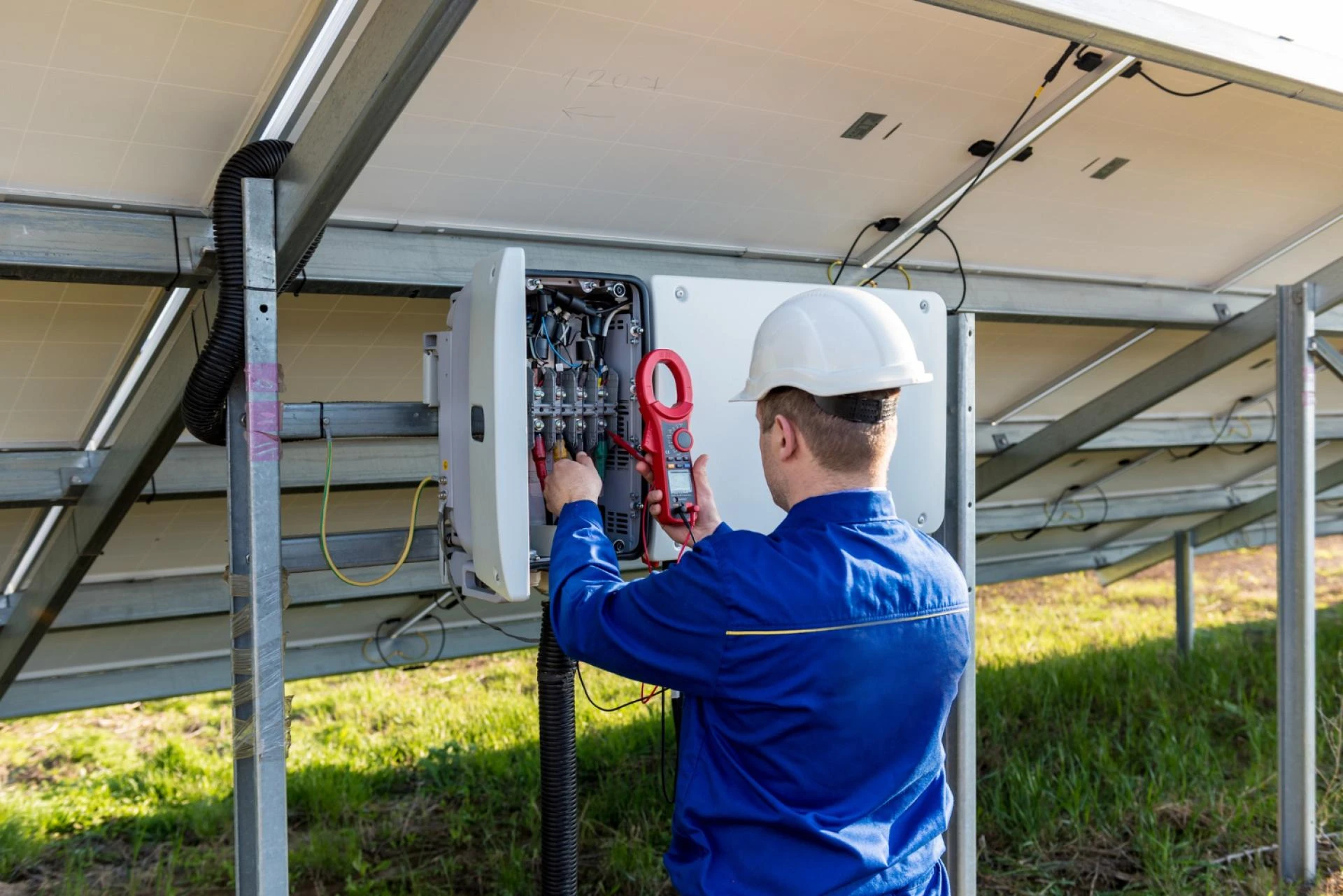
In addition to battery costs, installation expenses need to be considered. A professional installation can cost between ₹5,000 to ₹20,000, depending on the system’s complexity. While these costs might seem high upfront, they must be weighed against the long-term benefits of energy savings and grid independence.
Maintenance and Lifespan Considerations
Lead-acid batteries require regular maintenance, including water top-ups and periodic checks, adding to long-term costs. They also degrade faster in high-temperature environments, which is a key concern in India’s hot climate. On the other hand, lithium-ion batteries are virtually maintenance-free and last significantly longer, making them a more attractive option despite their higher initial cost.
Government Incentives and Tax Benefits
To promote renewable energy adoption, the Indian government offers various subsidies and incentives for solar installations. Many states provide financial assistance to homeowners and businesses that opt for solar power. Additionally, users can benefit from net metering policies, where surplus solar energy can be sold back to the grid, further reducing costs.
Benefit Analysis
Energy Independence and Reliability
With rising electricity prices and an unreliable power supply in many regions, solar inverter batteries offer a reliable solution. They help users reduce dependence on grid electricity and provide uninterrupted power, especially in areas with frequent load shedding. This makes them an excellent investment for rural households and businesses that suffer from erratic power supply.
Savings on Electricity Bills
One of the biggest advantages of solar inverter batteries is their ability to lower electricity costs. By using stored solar energy during peak hours, users can avoid drawing expensive electricity from the grid. In states like Maharashtra, Tamil Nadu, and Karnataka, where electricity tariffs are high, solar battery storage can lead to substantial long-term savings.
Environmental Benefits
India has committed to reducing its carbon footprint under international climate agreements. By adopting solar batteries, individuals and businesses contribute to a cleaner environment. Unlike diesel generators, which emit harmful pollutants, solar batteries offer a silent and eco-friendly power backup solution.
Factors to Consider Before Investing
While the benefits are evident, certain factors must be taken into account before making an investment in solar batteries:
Location and Sunlight Availability: Areas with ample sunlight will benefit more from solar battery storage, ensuring maximum energy generation and storage.
Electricity Consumption Patterns: Households with higher energy usage during peak hours or frequent power cuts will gain the most from solar batteries.
Grid Reliability: If your region experiences frequent power cuts, investing in a solar battery makes more sense.
Budget and Financing Options: While upfront costs can be high, financing options such as solar loans and government subsidies can help ease the financial burden.
Conclusion
Solar inverter batteries are a worthwhile investment for many Indian households and businesses, offering energy security, cost savings, and environmental benefits. While the initial cost can be significant, the long-term advantages, including reduced electricity bills, energy independence, and sustainability, make them an attractive choice.
If you live in an area with frequent power outages or high electricity costs, investing in a solar inverter battery could be right for you. With advancing technology and increasing government support, the future of solar energy in India looks brighter than ever.
Would you consider installing a solar inverter battery for your home or business? Share your thoughts and experiences in the comments!

























Sign in to leave a comment.