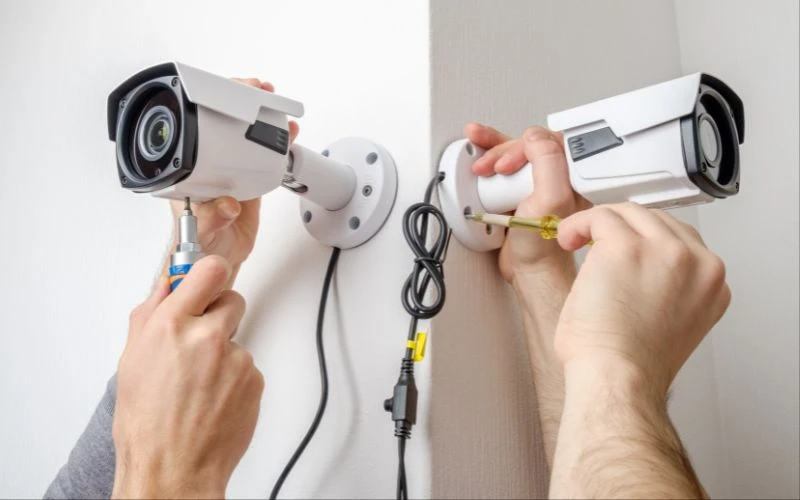

With modern urban living becoming more security-conscious, many residents are turning to personal surveillance. While CCTV installation in Glen Iris is increasingly popular for safeguarding homes, the legality of placing cameras inside individual apartments remains complex. It’s not just about protection—it’s about understanding privacy laws, building by-laws, and the rights of others within shared spaces.
What Are the Legal Considerations for Installing CCTV in an Apartment?
Some important legal concerns are:
- Laws of surveillance: Each state in Australia has its own Surveillance Devices Act. It can be against the law in Victoria to record someone without their permission in a private area.
- Body Corporate Rules: Most complexes don't allow gadgets that record or look at shared property.
- Reasonable Expectation of Privacy: Individuals should not be recorded where they expect privacy, such as bathrooms, bedrooms, or communal areas.
- Signage and Notification: If the footage covers private space, there may be a legal necessity for signs or notifications.
Pros and Cons of Apartment CCTV
Pros:
- Better security: watches over guests, deliveries, and unusual conduct.
- Peace of Mind: Gives residents who worry about safety peace of mind.
- Collecting evidence: useful for investigations during conflicts or occurrences.
Cons:
- Privacy Concerns: Cameras might accidentally record guests or neighbours.
- Legal Risk: If you break privacy laws, you could get fined or face legal action.
- Maintenance: The footage needs to be kept safe and in order.
Can Body Corporate Rules Override Personal Security Needs?
Yes. Even when safety is the motivation, body corporate regulations can restrict or deny CCTV installation if it affects others’ privacy. You normally require authorisation before putting up cameras that look over shared spaces.
Management committees make sure that everyone follows the regulations in high-end communities, especially when there are a lot of privacy-friendly CCTV installations for Albert Park residents. This protects the privacy of both individuals and groups.
Things to Do Before Installing
- Read the lease and the rules for the building very carefully.
- Speak with a certified CCTV expert who is familiar with the laws in your area.
- Keep the camera's view inside your house.
- If the camera catches something in a public place, tell other people.
- Don't share footage unless you have to, and keep it safe.
FAQ
Can Cameras Record Outside Apartment Doors or Hallways?
No, not generally. These are public places, and recording them could break rules about privacy or the building.
Is Audio Recording Allowed Inside Apartments?
You usually need permission to capture audio. Always check state privacy laws before turning on the sound.
Can Landlords Install Cameras in Rental Apartments?
Only with permission and within extremely strict legal limits. Cameras should never be allowed to view into the private spaces of renters.
What Are the Penalties for Breaking Surveillance Laws?
Depending on how serious the breach was and what the person meant to do, it could lead to huge fines or even criminal charges.
Last Thoughts
CCTV in your apartment can help keep your house safe, but only if you use it the right way. If you know the law, what the body corporate wants, and your moral obligations, you can stay safe without bothering anyone.
People's personal space is vital, but so is safety. A camera should watch things, not get in the way.




























Sign in to leave a comment.