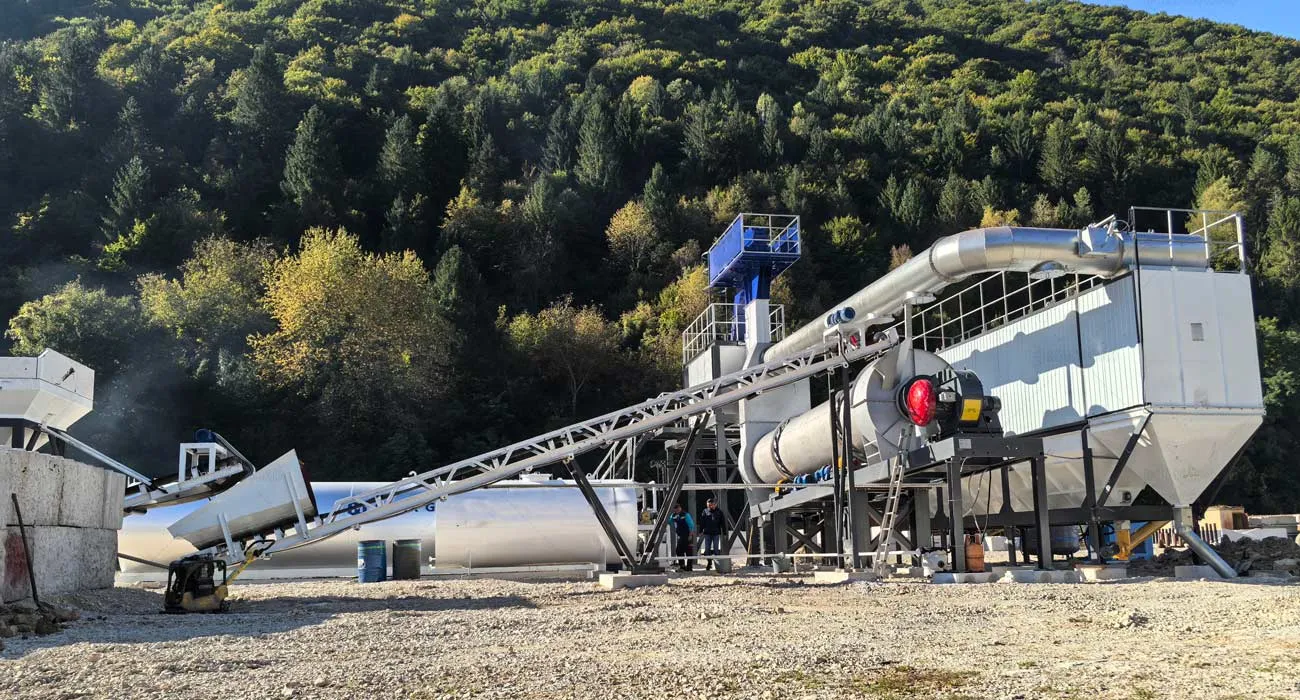

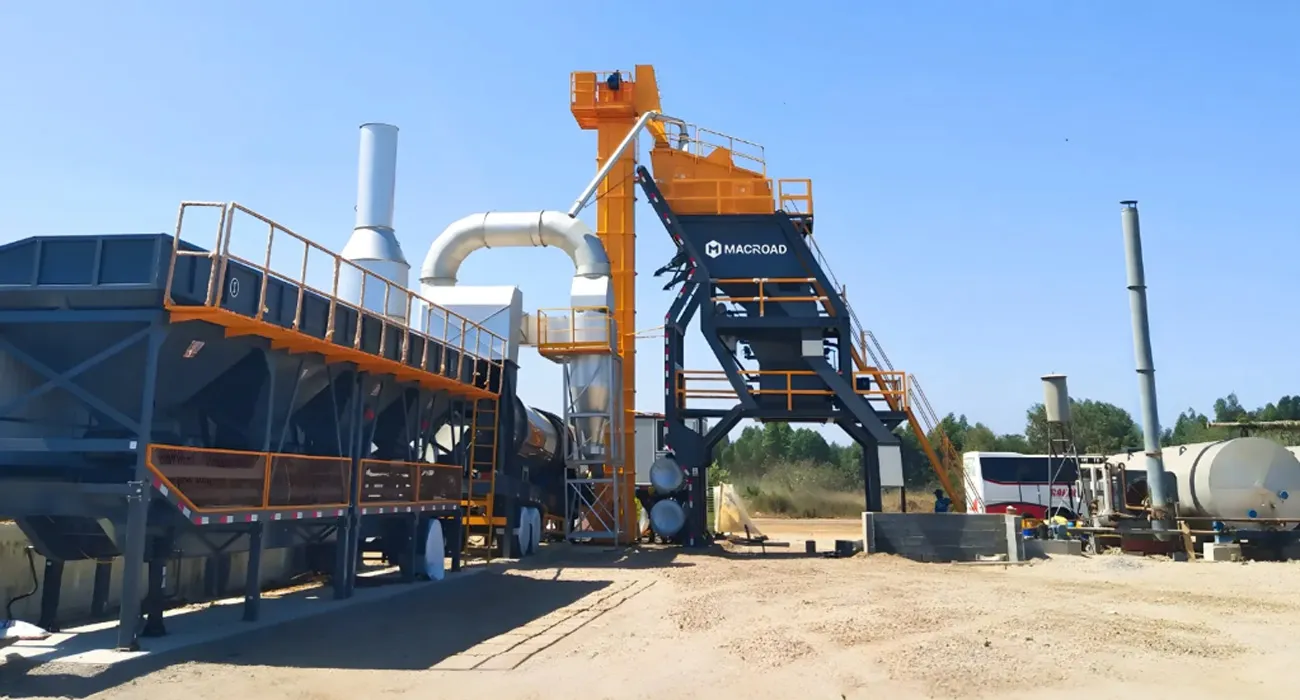
Premium asphalt plant manufacturers who treat centralized mechanical synchronization between continuous aggregate blending and liquid bitumen injection as a primary design requirement — rather than a commissioning adjustment — deliver asphalt drum mix plant configurations whose volumetric output accuracy is verified before overseas shipment rather than discovered after installation. The synchronization architecture connecting aggregate mass flow measurement to bitumen pump output is the engineering commitment that separates a plant whose oil-to-stone ratio holds specification across variable production conditions from one whose ratio accuracy depends on operator calibration discipline that remote international sites cannot reliably sustain.
How Premium Asphalt Plant Manufacturers Engineer Centralized Synchronization
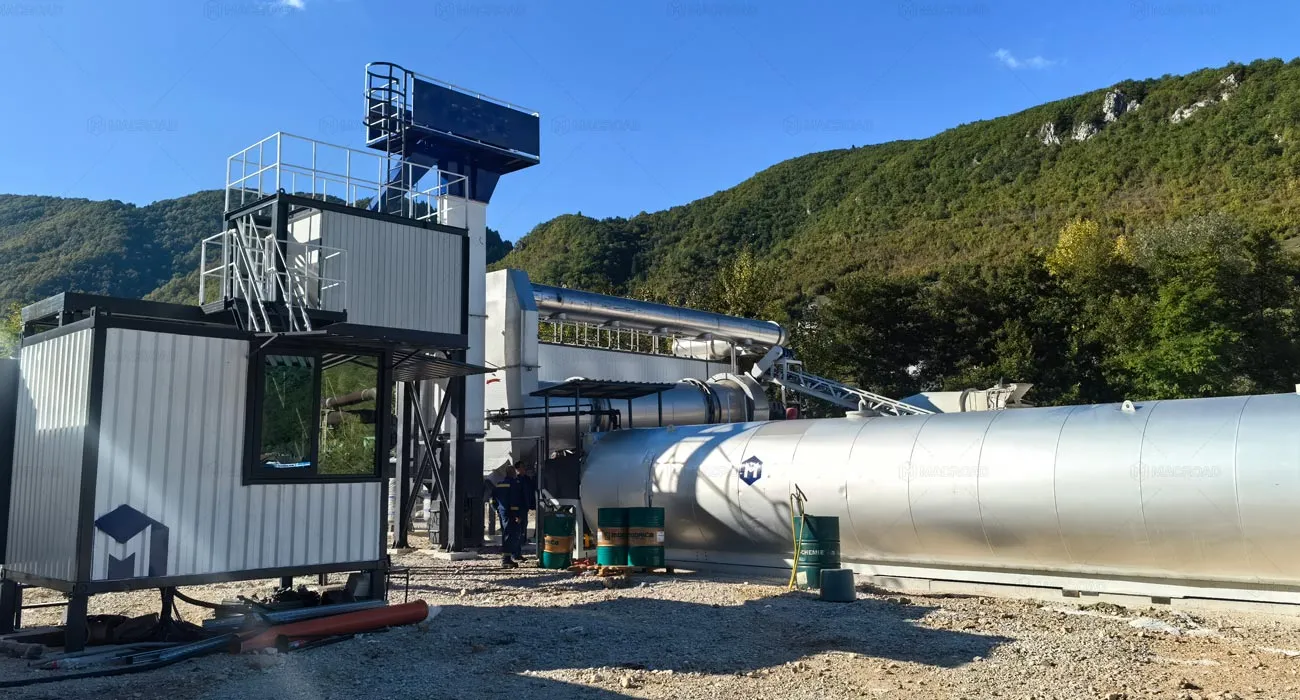
Premium asphalt plant manufacturers design the synchronization between aggregate blending and bitumen injection around a centralized control algorithm that treats both systems as dependent variables of a single ratio target rather than independent parallel processes sharing a production frame. The aggregate belt scale feeds continuous mass flow data to the control processor, which calculates the bitumen pump output rate required to maintain the target oil-to-stone ratio at every moment of production — adjusting pump VFD speed in real time as aggregate flow deviates from steady-state conditions.
The mechanical linkage that makes this synchronization reliable is the physical positioning of the bitumen injection ring relative to the aggregate mass flow measurement point on the asphalt drum mix plant frame. Injection nozzles positioned downstream of the weigh bridge by a distance that corresponds to aggregate transit time — the period between mass flow measurement and drum arrival — allows the control system to pre-adjust bitumen rate against measured aggregate rather than reacting after the deviation has already entered the drum. This predictive compensation architecture is a frame geometry engineering decision, not a software configuration choice, and it must be verified in the plant layout drawing before purchase commitment.
Mandatory Factory Calibration Tests Before Overseas Shipment
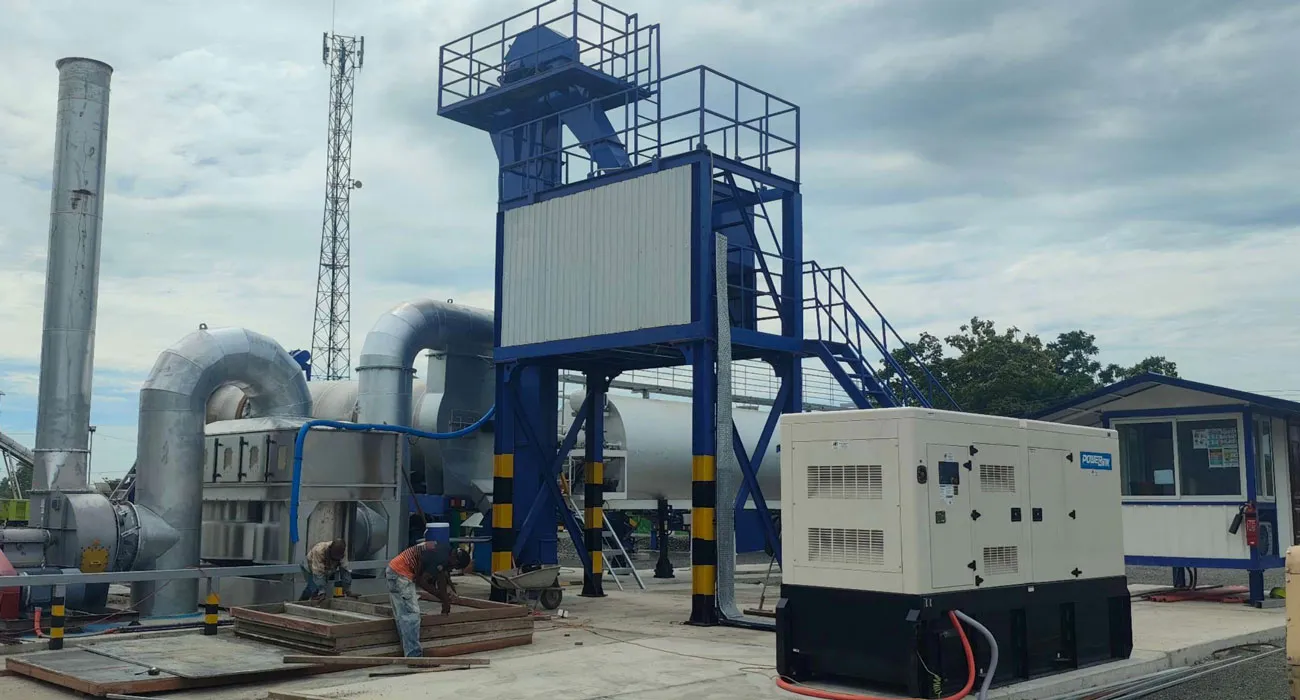
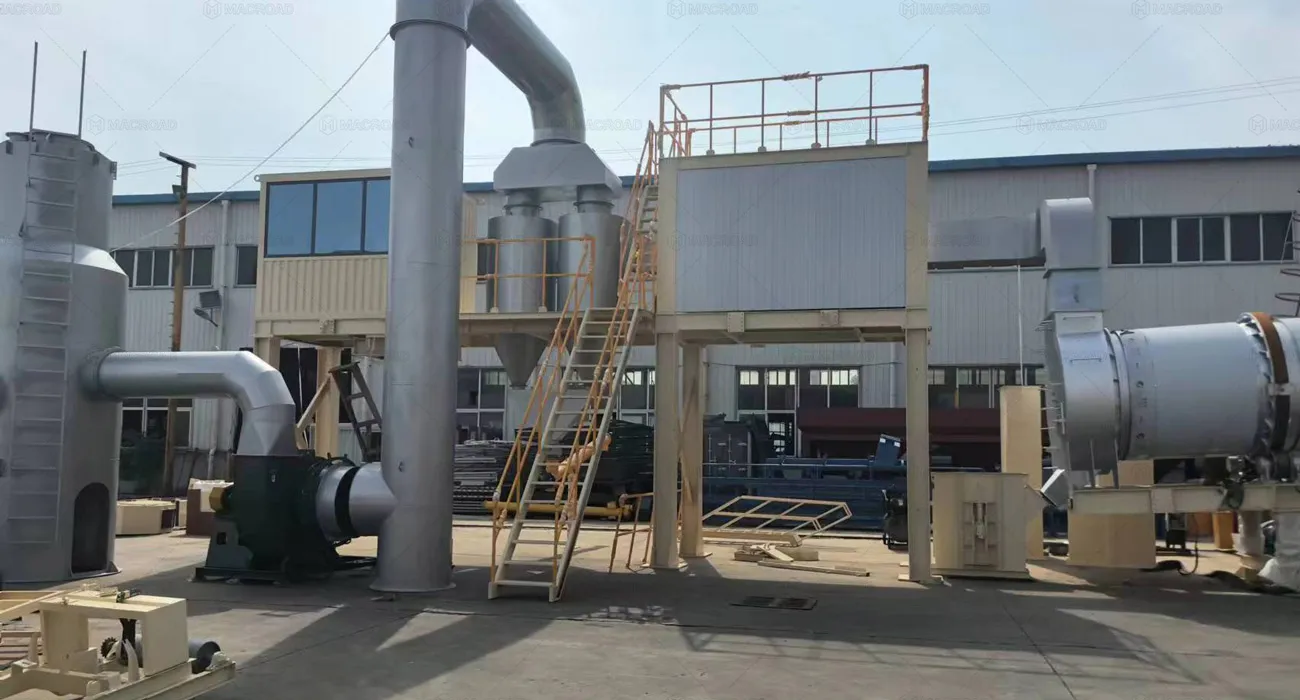
Factory-floor total system calibration on an asphalt drum mix plant covers four sequential verification stages that premium asphalt plant manufacturers complete before any international shipment. The first stage is belt scale static calibration — applying certified test weights across the full measurement range of each cold feed belt scale and recording deviation against the control system's displayed mass flow reading. Any deviation exceeding the tolerance specified in the mix design accuracy requirement triggers load cell adjustment before dynamic testing begins.
The second stage is dynamic flow calibration under aggregate simulation — running the belt conveyors at production speed with reference aggregate and verifying that displayed mass flow matches timed physical weighing across the operating range. The third stage is bitumen pump linearity verification — confirming that pump output volume at each VFD speed setting corresponds to the control system's injection rate calculation across the full production output range. Any non-linearity in pump output against drive speed requires nozzle or pump component adjustment before the synchronization loop can be closed accurately.
The fourth and most critical stage is integrated synchronization testing — running aggregate feed and bitumen injection simultaneously under simulated production conditions and recording oil-to-stone ratio variance across deliberate feed rate perturbations that replicate moisture-driven flow variation. This test confirms that the closed-loop control architecture corrects ratio deviation within the response time specification under dynamic conditions, not only under steady-state calibration scenarios.
Documentation Requirements That Confirm Calibration Before Overseas Dispatch
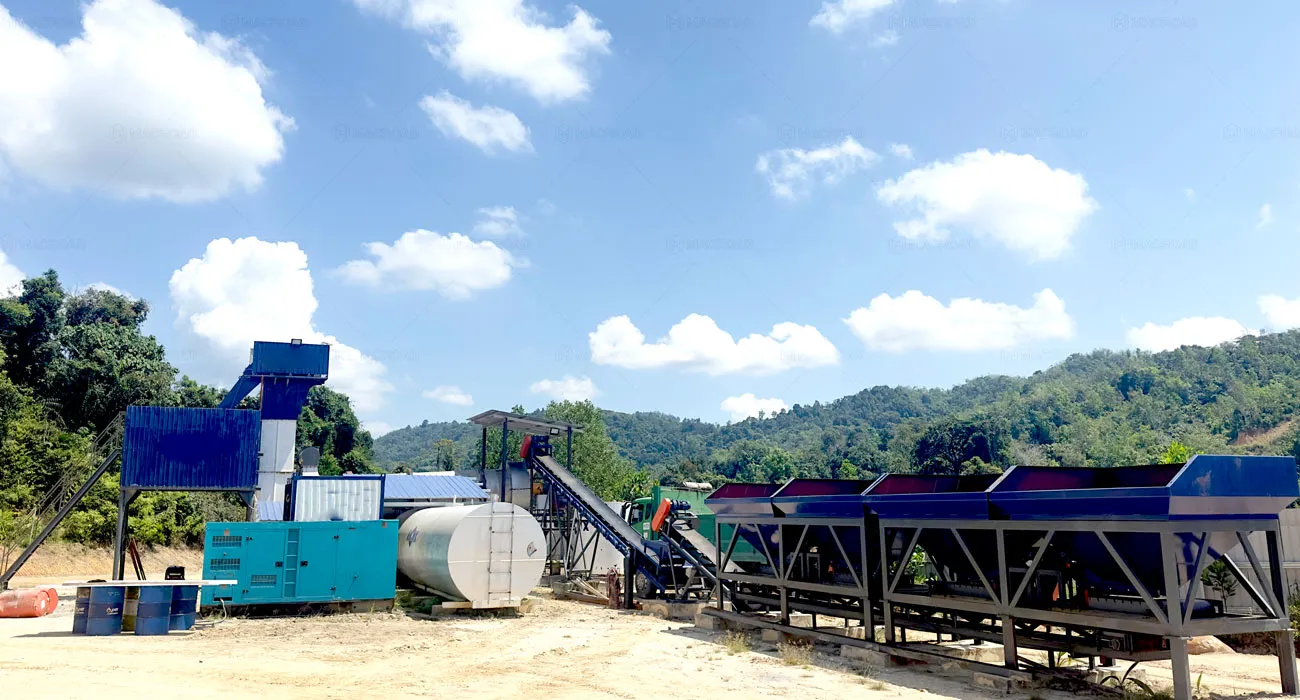
Overseas shipment of an asphalt drum mix plant without factory calibration test records transfers ratio accuracy verification onto the receiving contractor — at international commissioning engineer mobilization cost and project schedule delay that factory-stage verification eliminates. Premium asphalt plant manufacturers issue calibration certificates for each verification stage, signed by a quality control engineer and tied to the specific plant serial number being shipped.
Request calibration certificate scope confirmation during the quotation stage — confirming that integrated synchronization testing under dynamic feed perturbation is included rather than only static component calibration that does not verify the closed-loop architecture under production-representative conditions.

Conclusion
An asphalt drum mix plant whose premium asphalt plant manufacturers complete centralized synchronization engineering, four-stage factory calibration under dynamic conditions, and serial-number-tied calibration certification before overseas shipment arrives at the international project site with ratio accuracy verified rather than assumed — eliminating the commissioning discovery process that uncalibrated plants impose at the moment project production schedules allow no tolerance for delay.


























Sign in to leave a comment.