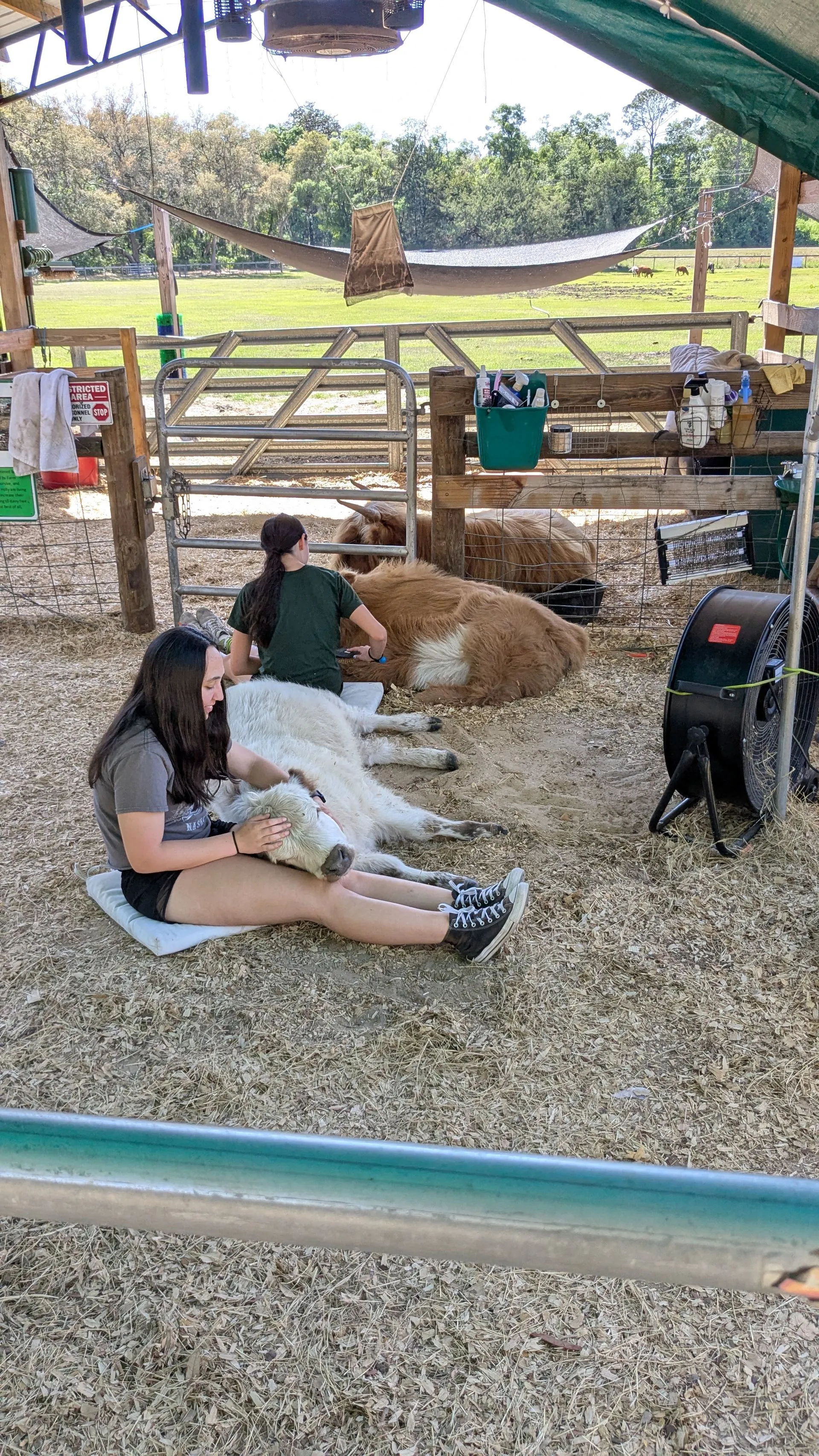

In today’s fast-paced, convenience-driven world, the connection between people and the origins of their food has significantly weakened. Supermarket shelves offer abundance, yet very few consumers truly understand the processes, resources, and environmental impact behind what they consume daily. This disconnect has contributed to unsustainable consumption patterns, food waste, and a lack of environmental awareness. As sustainability becomes a global priority, individuals and organizations are seeking meaningful ways to reconnect with nature and adopt more responsible lifestyles. One powerful and immersive approach is an authentic farm experience, which bridges the gap between modern living and sustainable practices.
Understanding the Value of Sustainable Living
Sustainable living is not just a trend—it is a necessity driven by environmental challenges such as climate change, soil degradation, and resource depletion. At its core, sustainability emphasizes the responsible use of resources to meet present needs without compromising future generations. However, understanding sustainability in theory is very different from experiencing it in practice. Many people struggle to translate abstract concepts like “resource conservation” or “eco-friendly living” into everyday actions. This is where experiential learning becomes essential. By engaging directly with agricultural systems, individuals gain practical insights that reshape their perspectives on consumption, waste, and environmental responsibility.
Bridging the Gap Through Hands-On Learning
One of the most impactful aspects of an authentic farm experience is its emphasis on hands-on participation. Rather than observing from a distance, participants actively engage in daily farm operations—planting, harvesting, feeding animals, and maintaining the land.
This hands-on approach creates a deeper understanding of:
- The effort and time required to produce food
- The importance of soil health and biodiversity
- The challenges farmers face in maintaining sustainable practices
When individuals physically participate in these processes, sustainability becomes tangible. It is no longer an abstract concept but a lived reality that influences their decisions long after the experience ends.
Developing Awareness of Resource Management
Modern lifestyles often obscure the true cost of resource consumption. Water, energy, and food are frequently taken for granted, leading to excessive use and waste. Farm environments, on the other hand, operate within clearly defined resource limits.
Participants quickly learn that:
- Water must be used efficiently for irrigation and livestock
- Energy consumption is carefully managed, often incorporating renewable sources
- Food production depends on seasonal cycles and environmental conditions
An authentic farm experience highlights the interconnectedness of these resources, encouraging individuals to adopt more mindful consumption habits in their daily lives.
Strengthening the Connection to Food Systems
Understanding where food comes from is a critical component of sustainable living. Many consumers are unaware of the environmental impact of industrial agriculture, including transportation emissions, packaging waste, and chemical use.
Farm-based experiences provide direct exposure to:
- Organic and regenerative farming practices
- Seasonal and local food production
- Ethical treatment of animals
This exposure fosters food literacy, enabling individuals to make informed choices about what they eat and how it is produced. As a result, participants often develop a preference for locally sourced, sustainably grown products, supporting both environmental health and local economies.
Encouraging Waste Reduction and Circular Thinking
Waste is one of the most pressing sustainability challenges. In urban environments, waste management systems often hide the consequences of overconsumption. On a farm, however, waste is visible and must be managed responsibly.
Participants learn about:
- Composting and nutrient recycling
- Minimizing food waste through careful planning
- Reusing materials and reducing reliance on single-use products
These practices introduce the concept of a circular economy, where resources are reused and repurposed rather than discarded. This mindset shift is a key takeaway from any immersive farm-based learning experience.
Promoting Environmental Stewardship
Sustainability extends beyond resource management to include the protection of ecosystems. Farms that prioritize sustainable practices often serve as models for environmental stewardship, demonstrating how human activity can coexist with nature.
Key lessons include:
- The importance of preserving soil fertility
- Supporting pollinators and biodiversity
- Maintaining balanced ecosystems
Through observation and participation, individuals gain a deeper appreciation for the delicate balance required to sustain life. An authentic farm experience instills a sense of responsibility, encouraging participants to become active contributors to environmental preservation.
Building Practical Skills for Everyday Sustainability
One of the most valuable outcomes of a farm-based experience is the development of practical, transferable skills. These skills empower individuals to implement sustainable practices in their own lives, regardless of their location.
Examples include:
- Growing food in small spaces, such as home gardens
- Understanding seasonal eating habits
- Practicing efficient water and energy use
These skills not only reduce environmental impact but also enhance self-sufficiency and resilience, which are increasingly important in a rapidly changing world.
Enhancing Mental Well-Being Through Nature
Sustainable living is not solely about environmental impact—it also encompasses personal well-being. Spending time in natural settings has been shown to reduce stress, improve mood, and enhance overall mental health.
Farm environments provide:
- Opportunities for physical activity
- A slower, more mindful pace of life
- A break from digital distractions
This holistic benefit reinforces the idea that sustainability is interconnected with quality of life. By reconnecting with nature, individuals gain a renewed sense of balance and purpose.
Fostering Community and Shared Responsibility
Sustainability is not an individual effort—it requires collective action. Farm experiences often involve collaboration, whether it’s working alongside farmers, participating in group activities, or sharing knowledge with others.
This collaborative environment:
- Encourages teamwork and communication
- Builds a sense of community
- Reinforces shared responsibility for environmental outcomes
Participants leave with a broader understanding that sustainable living is a collective journey, not a solitary endeavor.
Aligning Values with Everyday Choices
One of the most transformative aspects of an authentic farm experience is its ability to align personal values with daily actions. Many individuals express concern about environmental issues but struggle to make consistent, meaningful changes.
By witnessing sustainable practices firsthand, participants gain clarity on:
- The impact of their consumption habits
- The importance of supporting ethical and sustainable businesses
- The role they can play in driving positive change
This alignment leads to more intentional decision-making, from purchasing choices to lifestyle habits.
The Role of Education in Driving Long-Term Change
Education is a critical driver of sustainability. While traditional learning methods provide valuable information, experiential learning creates a lasting impact. Farm-based education engages multiple senses, making lessons more memorable and meaningful.
Participants are more likely to:
- Retain knowledge gained through direct experience
- Apply what they have learned in real-world situations
- Share their insights with others, amplifying the impact
This ripple effect extends the benefits of a single experience to broader communities, contributing to long-term cultural and behavioral change.
Integrating Sustainable Practices Into Urban Life
A common misconception is that sustainable living is only achievable in rural settings. However, the principles learned on a farm can be adapted to urban environments.
For example:
- Composting can be implemented in small households
- Community gardens can provide access to fresh produce
- Conscious consumption can reduce environmental impact
An authentic farm experience demonstrates that sustainability is not about location but about mindset and choices. With the right knowledge and commitment, anyone can contribute to a more sustainable future.
Conclusion
The journey toward sustainable living begins with awareness but is sustained through action. Farm-based experiences offer a unique opportunity to move beyond theoretical understanding and engage with sustainability in a practical, meaningful way.
By participating in an authentic farm experience, individuals gain valuable insights into resource management, food systems, and environmental stewardship. More importantly, they develop the skills and mindset needed to make informed, responsible choices in their everyday lives.
As you reflect on these insights, consider how small changes—such as reducing waste, supporting local agriculture, or adopting mindful consumption habits—can contribute to a larger impact. Sustainability is not about perfection; it is about progress and continuous learning.
Exploring opportunities to engage with real-world agricultural systems can be a powerful step toward a more informed and responsible lifestyle. By embracing these experiences, you not only enrich your understanding but also play a role in shaping a more sustainable and resilient future for generations to come.






























Sign in to leave a comment.