Take Back Your Gmail Inbox: Practical Ways to Block Junk and Clutter
Match the right Gmail tool (unsubscribe, block, report, or filter) to each type of unwanted email to keep your inbox clean.
Ever sent a crucial email only to be met with silence? Discover why messages often go unanswered and learn the art of following up effectively without sounding pushy. This guide unveils the secrets to crafting polite reminders that prompt quick responses while keeping your tone warm and professional.
Learn how to investigate a suspicious email step by step: secure the original, read headers, trace routing, check SPF, DKIM and DMARC, and report findings. A practical guide for analysts and lawyers.
People who need to pull mail out of the cloud tend to ask the same questions in the same order. Which tool should I use? Do I need a special license? Why is ...
Almost everyone has deleted an email and then needed it a week later. A contract confirmation, an invoice, a message from a client: it was gone in one click,...
Your email account serves as the gateway to countless online services, making it a prime target for cybercriminals. With many attacks going unnoticed for days, it's crucial to recognize the subtle signs of a breach. Discover the warning signs and immediate steps to safeguard your digital life before it's too late.
Short-term rental disputes often arise from simple misunderstandings, but there's a powerful tool that can help clarify the situation: timestamps on photos. By capturing the property's condition at both check-in and check-out, guests and hosts can settle disagreements quickly and fairly. Discover how this straightforward practice can transform the way you handle potential damage claims.
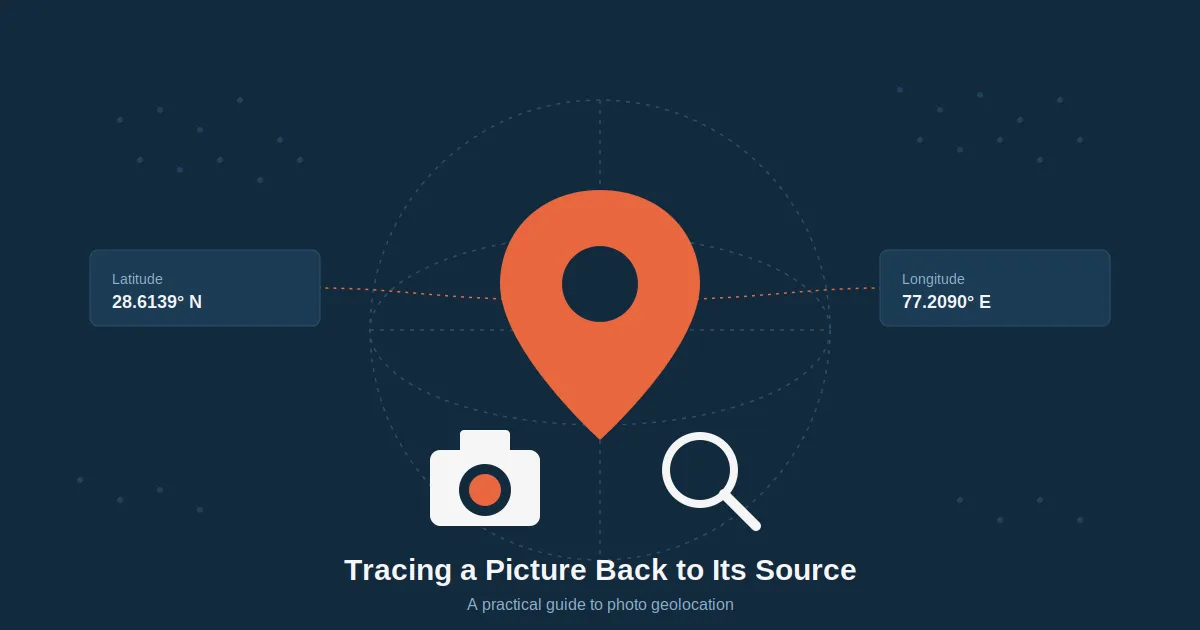
Learn how to trace where a photo was taken — from checking EXIF/GPS metadata to Google Lens, reverse image search, AI geolocation, and forensic tools for verified results.
Most phishing awareness training repeats the same handful of tips, and most of those tips are sound. The problem is what sits underneath them — a set of assu...
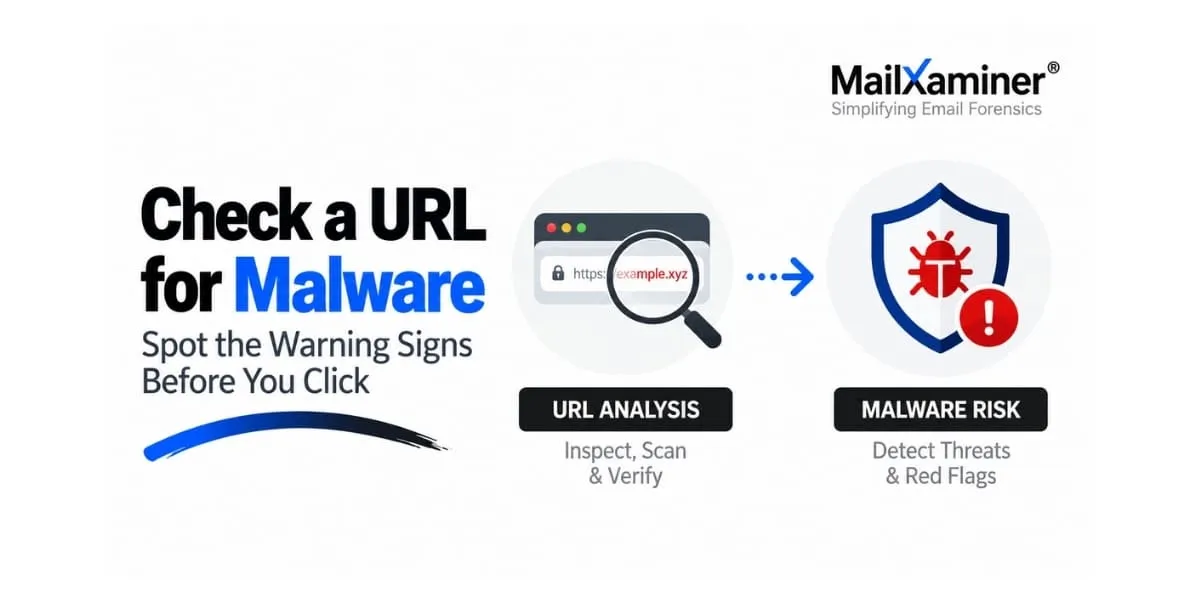
A link can look harmless and still lead to a phishing page, malware download, or fraudulent website. That is why reacting quickly to an unexpected link is of...
In a world where digital evidence overwhelms investigators, artificial intelligence emerges as a game changer. By swiftly sorting through vast amounts of data, AI enhances the forensic process, allowing examiners to focus on what truly matters. Discover the nuances of how these tools transform modern investigations in our latest exploration.
The art of deception in email communication has never been more sophisticated, with attackers exploiting our quick judgment. This article offers a detailed framework for dissecting emails that may seem trustworthy at first. Learn how to recognize the red flags and implement a methodical review process to safeguard your inbox.
Investigations often begin not with sirens, but with a subtle email or a quiet notice, marking the moment someone realizes they might be involved. In this pivotal moment, seemingly innocuous actions can take on profound legal implications. Discover how the choices made in those early hours can drastically alter the trajectory of an investigation.
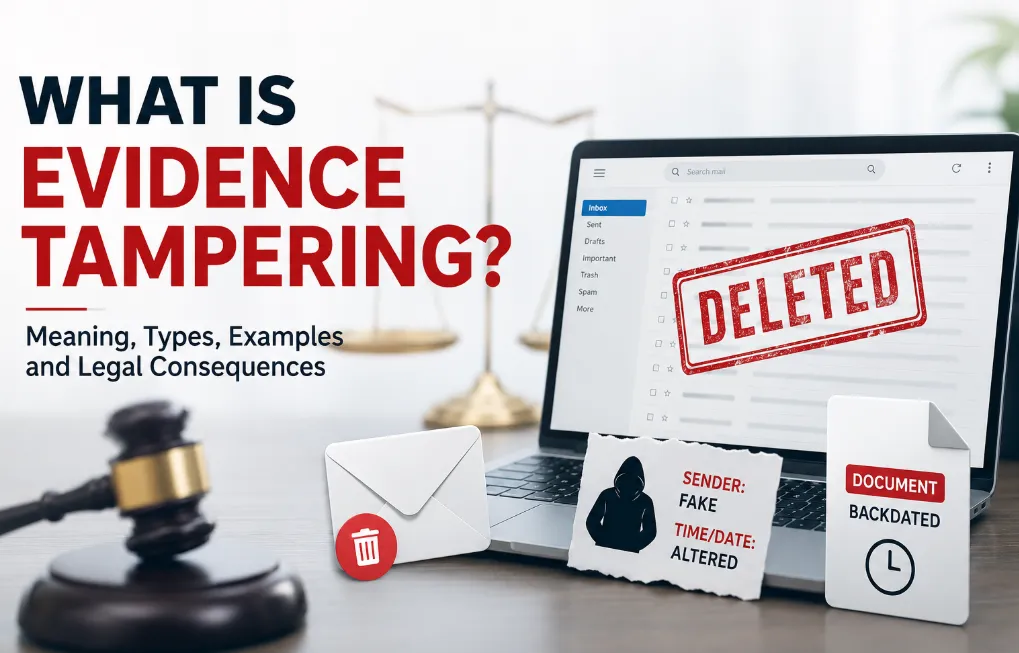
Evidence tampering means altering, hiding, destroying, or faking evidence to mislead an investigation. Learn its legal elements, digital red flags, and how forensic experts detect it today.
Share