
Most people picture an investigation as something that starts with sirens and ends with handcuffs. In reality, a huge share of modern cases start much quieter — with a subpoena, a compliance flag, or a lawyer's letter — and the most consequential moves happen in the days that follow, at a keyboard, not a crime scene.
Here's what that process actually looks like from the inside, step by step, and why the choices made in the first 48 hours often matter more than anything that happens afterward.
Day Zero: The Moment Someone Realizes They're Involved
An investigation rarely announces itself with a knock on the door. More often, it starts with an email from HR, a notice from opposing counsel, or a manager saying "legal wants to talk to you." That moment — the instant someone becomes aware they might be relevant to a case — is the exact point where ordinary behavior starts carrying legal weight.
Before that moment, deleting an old message is just inbox maintenance. After it, the same action can be read as an attempt to control what investigators see. Nothing about the click changes. Everything about its meaning does.
Day One: The Instinct to "Clean Up"
This is where most people make their first mistake, and it's rarely malicious. It's fear. Someone worries a message looks bad out of context, or that an old thread will be misread, so they delete it, archive it, or quietly edit a file "just to be safe."
The problem is that investigators don't see intent the way the person deleting the file does. They see a timeline: notice received, then relevant material disappeared. That sequence alone is often enough to shift someone from a witness to a subject of scrutiny — regardless of what was actually in the file.
Day Two to Five: Preservation Kicks In
Once an investigation is formally underway, most organizations issue what's typically called a litigation hold or preservation notice — an instruction to stop deleting, archiving, or altering anything that could be relevant. This is the point where "I didn't know" stops being a usable excuse. Ignoring a preservation notice, even passively, is treated very differently from an honest mistake made before anyone knew a case existed.
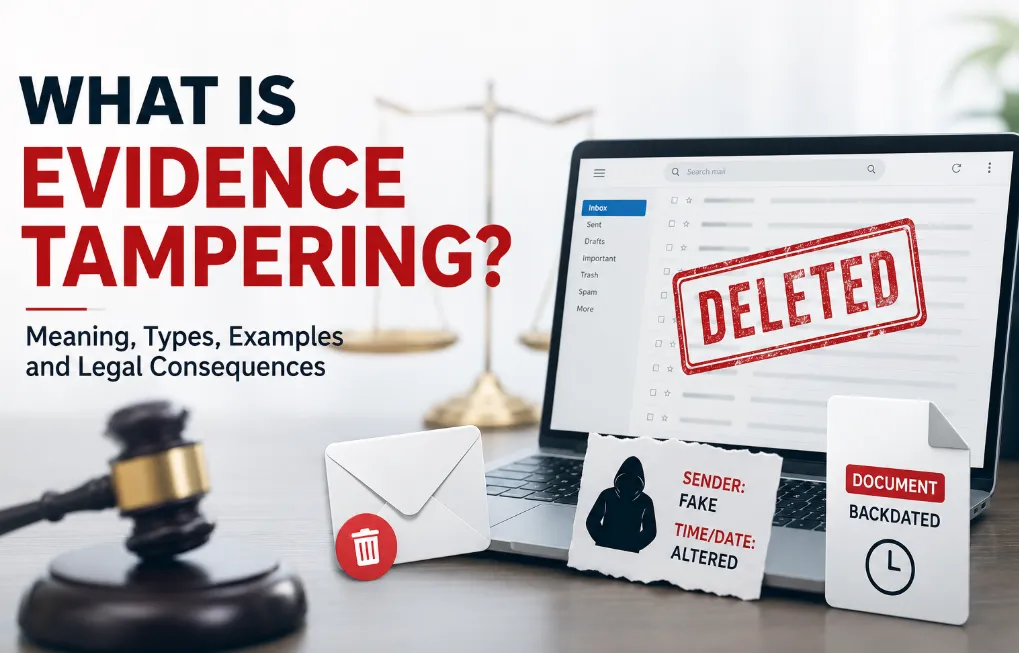
It's worth understanding this distinction clearly rather than guessing at it after the fact — the boundary between careless housekeeping and something a court will treat as interference is explained well in this breakdown of what is evidence tampering, which lays out exactly where that line sits.
Week One: The Forensic Side Begins
While employees or parties are busy worrying about what they said, investigators are usually already working the technical side. Digital records rarely vanish as cleanly as people assume. Mail servers, backup systems, and device logs retain far more than the visible inbox suggests.
At this stage, specialized recovery platforms come into play. Rather than trusting what a mailbox currently shows, investigators use dedicated email forensics software to pull records directly from underlying storage, compare current files against their original digital fingerprints, and flag anything that was altered, backdated, or removed after the fact.
This is usually the step that surprises people the most — the assumption that "it's gone" turns out to be wrong far more often than it's right.
Week Two Onward: Reconstructing the Timeline
Once recovery is complete, the investigation shifts from "what do we have" to "what does it prove." Investigators build a timeline: when a file was created, when it was last touched, whether its metadata matches its supposed history, and whether anything about it was changed after the point the person involved knew it might matter.
This is where cases are often decided — not by what was originally in a document, but by whether its history lines up with an honest account of events.
The Real Lesson From Watching This Process Play Out
The single biggest factor separating people who come through an investigation cleanly from those who don't isn't what they said in their original messages. It's what they did after they realized those messages might matter.
If there's one habit worth building, it's this: the moment you sense a dispute might become formal, stop touching anything even remotely connected to it. Don't delete, don't edit, don't "tidy up." Preserve it exactly as it is and let the process run its course. Everything else tends to sort itself out far better than trying to manage the record after the fact ever does.




























Sign in to leave a comment.