

The EU Just Updated Its Infant Formula Rules — Here's What Regulation (EU) 2026/743 ChangesInfant nutrition regulation in the European Union just took a nota...
Understanding the Importance of Fragrance Allergen DisclosureFragrances play a vital role in the consumer experience of cosmetic products, from perfumes and ...
UK REACH Just Got a Major Update — Is Your Business Ready?For several years, the UK REACH Candidate List barely moved, even as the EU steadily expanded its o...
The New EU Detergents Regulation: What Businesses Need to KnowThe European Union has rolled out a new Detergents Regulation, (EU) 2026/405, replacing the lon...
Navigating Mexico's Food Supplement Regulations: What the 2026 COFEPRIS Guidance Means for ManufacturersMexico has become one of Latin America's most dynamic...
Greenwashing in the Spotlight: What the EU's 2026 Rules Mean for BusinessesA Trust Problem Hiding in Plain SightSustainability now shapes what people buy — a...

Vietnam Is Overhauling Its Food Safety System — Here's What Businesses Need to KnowVietnam is about to rewrite the rulebook on food safety regulation. A newl...
Unsafe Cosmetics Are Still Reaching Consumers Online — Here's Why Compliance Matters More Than EverOnline shopping has changed the beauty industry for good. ...
What New Zealand's HSRN Portal Means for Your Chemical Compliance ProgramIf your business imports or manufactures hazardous substances in New Zealand, the wa...
Navigating Halal Certification for Cosmetics in IndonesiaThe rules of the game are changing for cosmetics brands in Indonesia. Halal compliance used to be a ...
MoCRA Explained: A New Era for Cosmetics Regulation in the U.S.For over 80 years, cosmetics in the United States operated under a regulatory framework that h...
Selling Supplements in Australia? Why PIC/S GMP Rules Could Change Your Whole PlaybookIf you're a dietary supplement or nutraceutical company looking at Aust...

New Fragrance Allergen Rules in the EU and Canada: What Cosmetic Brands Need to KnowContact dermatitis linked to cosmetics is frequently traced back to fragr...
The New Reality of Chemical Compliance Inspections: What Regulators Are Really Looking ForChemical companies are facing a different kind of scrutiny these da...
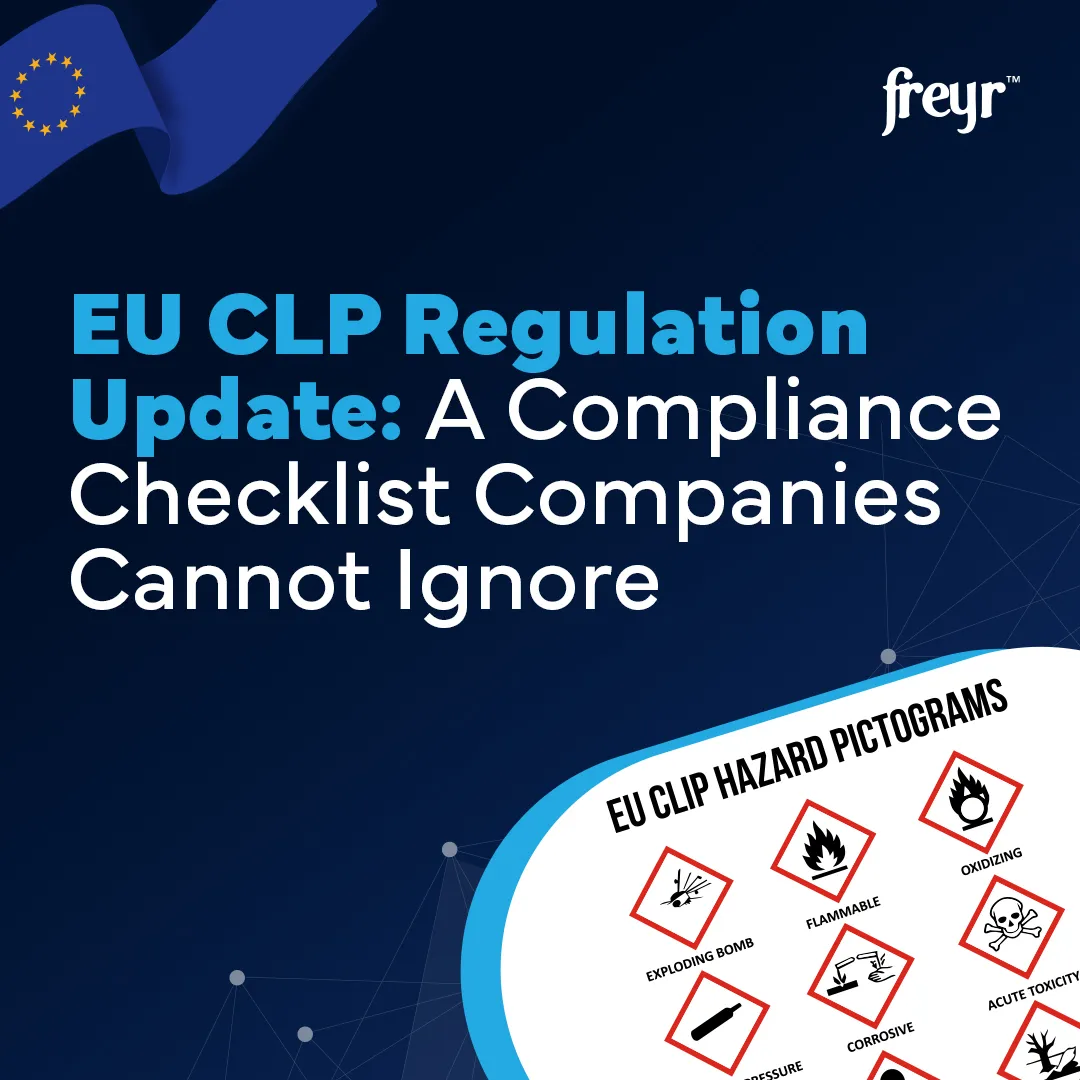
Updated EU CLP Rules: A Practical Breakdown for Chemical BusinessesThe EU has revised its Classification, Labelling and Packaging (CLP) Regulation again, and...

GMP Harmonization: Aligning Food Safety Standards in a Globalized Supply ChainFood and dietary supplement manufacturers operate under a system known as Good ...
What the EU's PPWR FAQ Means for Substances of Concern in PackagingAs the 12 August 2026 application date for the Packaging and Packaging Waste Regulation (R...
Front-of-Pack Labeling: A Growing Compliance Imperative for Dietary SupplementsFront-of-Pack Labeling (FOPL) is no longer a peripheral consideration in nutri...
As global scrutiny of cosmetic ingredients grows, per- and polyfluoroalkyl substances (PFAS) are emerging as a major concern for both regulators and consumer...
EU PFAS Regulations: What Cosmetic Brands Need to KnowThe European Union is strengthening its regulatory focus on per- and polyfluoroalkyl substances (PFAS),...

EU Breakfast Directives: A Major Regulatory Shift Reshaping Everyday Food CategoriesThe European Union’s revised “Breakfast Directives,” introduced und...
Incorrect SDS hazard classification can lead to penalties, recalls & compliance risks. Learn the real costs and how to avoid CLP misclassification.

Japan FFC Labeling Changes 2026: What Regulatory Teams Need to KnowJapan’s Consumer Affairs Agency (CAA) is expected to introduce significant updates to the ...
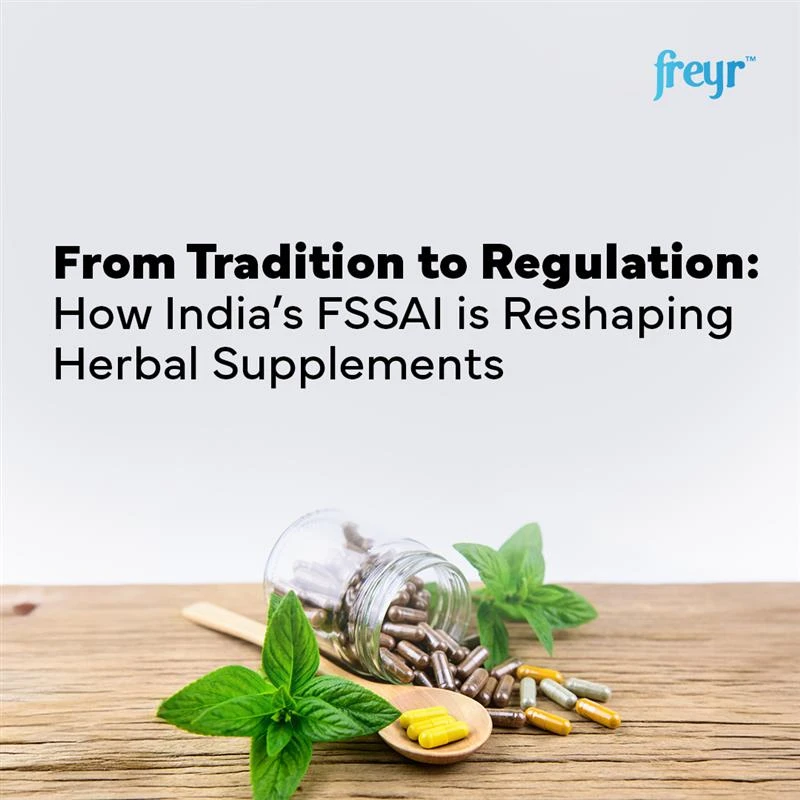
India’s Herbal Legacy Meets Modern OversightIndia has long been recognized as the cradle of Ayurveda and herbal medicine. Remedies derived from bota
The EU Classification, Labelling and Packaging (CLP) Regulation (Regulation (EC) No 1272/2008) is regularly updated through Adaptations to Technical P
FDA Food Recalls Are Surging — and Every Global Brand Should Pay AttentionThe surge in FDA food recalls is more than a U.S. headline — it’s a gl
Personalized Nutrition Is Reshaping Japan’s Supplement IndustryPersonalized nutrition is transforming Japan’s supplement industry, blending scienc

Safety Data Sheet (SDS) Update Requirements After Formulation ChangesSafety Data Sheets (SDSs) are essential documents that communicate the hazards, s

A New Chapter in EU Sustainability RulesThe European Union has adopted Regulation (EU) 2025/2650, amending the landmark EU Deforestation Regulation (E
EU Detergents and Surfactants Regulation 2025: Key Changes and Compliance ImplicationsThe EU Detergents and Surfactants Regulation 2025 represents a s

If you manufacture, import, or sell chemical products in the European Union (EU) or European Economic Area (EEA), you may already be familiar with the
The ECHA REACH Regulation (Registration, Evaluation, Authorisation and Restriction of Chemicals) is a cornerstone of chemical safety legislation in th
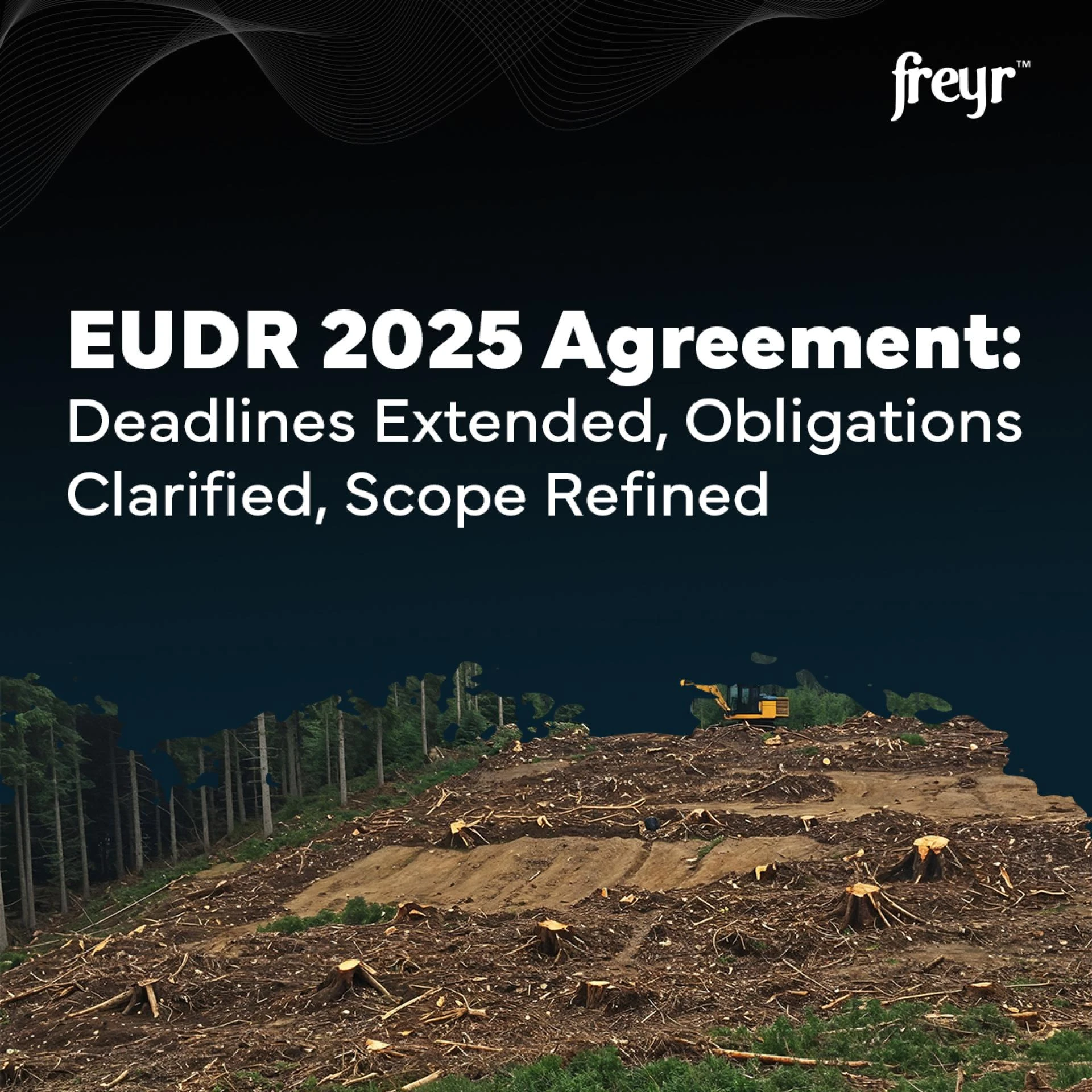
EU Deforestation Regulation (EUDR): Key Updates and Compliance ImplicationsThe EU Deforestation Regulation (EUDR) is a landmark sustainability law des
Environmental Labeling for Dietary Supplement Packaging in Europe: What Brands Need to KnowAs Europe accelerates its shift toward a circular economy,
Navigating China’s Evolving Cosmetics Regulations: What Brands Need to Know in 2025China’s cosmetics market is booming, presenting massive opportu
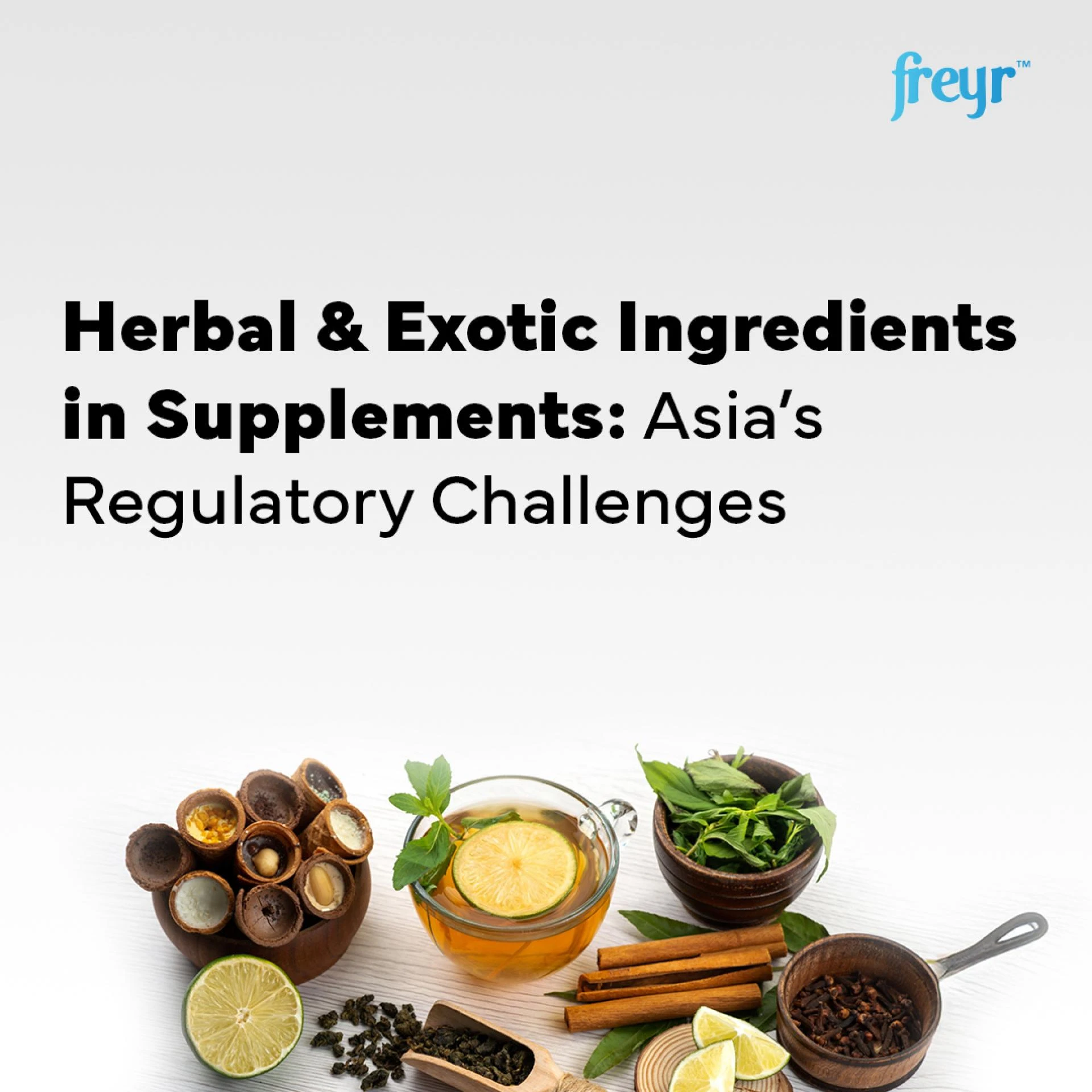
Herbal and Exotic Ingredients: Unlocking Opportunities in Asia’s Fast-Growing Dietary Supplement MarketThe global dietary supplement industry is exp

Understanding FSMA Rule 204: Strengthening Food Traceability in the U.S.The FDA’s Food Traceability Rule (21 CFR Part 1, Subpart S)—implemented un

OPSS: Ensuring Cosmetic Safety and Compliance in the United KingdomIn the United Kingdom, the safety and compliance of cosmetic products are overseen

In recent years, the demand for plant-based alternatives has expanded beyond beauty products into the food and dietary supplement sector. A plant-base

Document reusability is the practice of leveraging validated regulatory documents across multiple product notifications or submissions. Instead of rec
Market Access in Japan for Detergents: Key Regulatory InsightsWhy Japan?Japan is a highly regulated and quality-conscious market.Compliance with safet

ECOCERT COSMOS Certification: A Mark of True Sustainability in CosmeticsSustainability is now a key factor in consumer choices, especially in the cosm
Japan’s Health Claims Regulation for Food & Supplements: A Strategic OverviewJapan is internationally recognized for its rigorous, science-based

Front-of-Pack (FOP) Nutrition Labeling: Summary OverviewWhat is FOP Nutrition Labeling?Front-of-Pack (FOP) nutrition labeling provides a simplified su
European Union Deforestation Regulation (EUDR)Building Transparent, Traceable, and Deforestation-Free Supply ChainsWhat is the EUDR, and Why Does It M
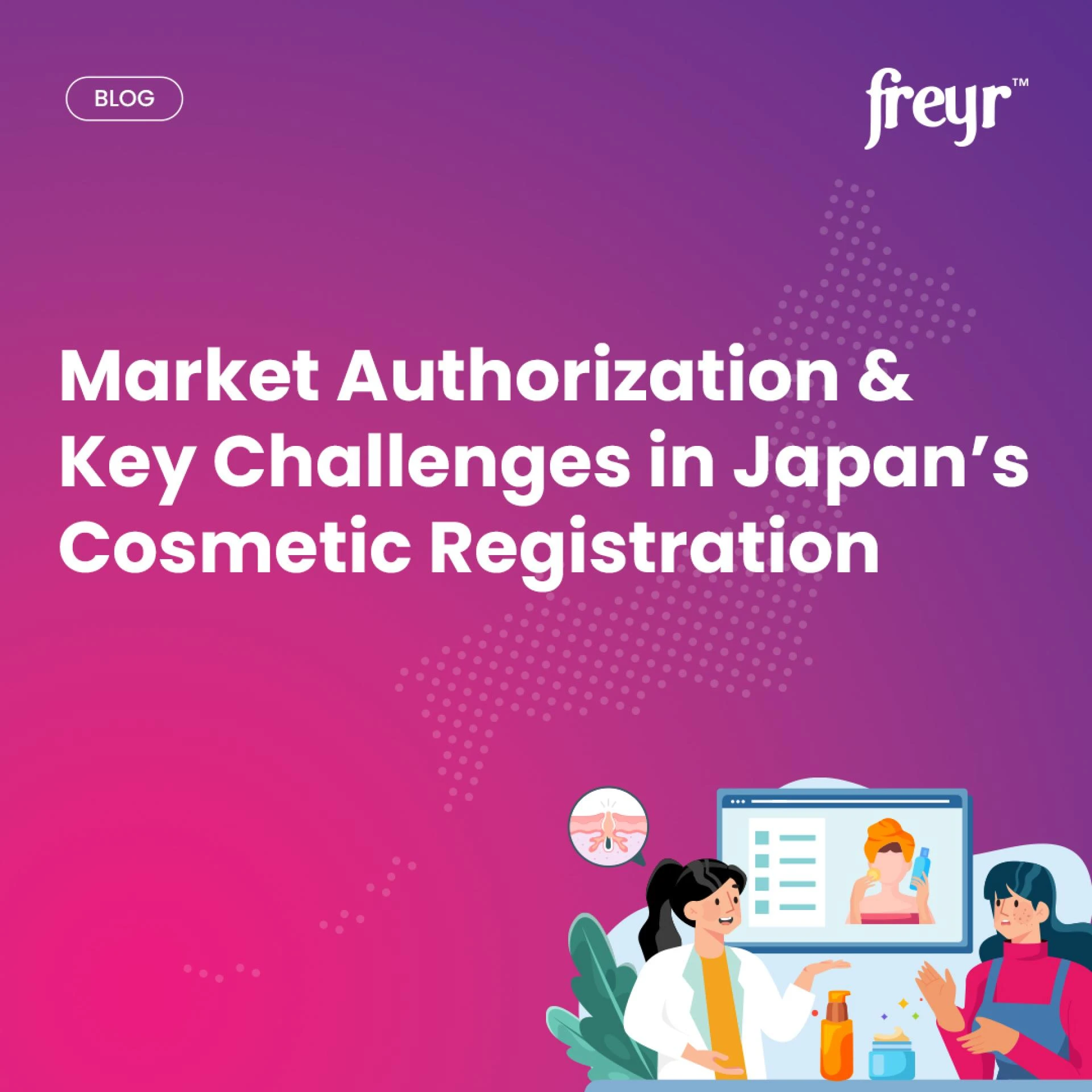
Cosmetic Product Registration in Japan: Understanding the MAH RequirementCosmetic products in Japan are regulated by the Ministry of Health, Labour an
Sanitizing Products in Brazil: Key Regulatory GuidelinesWhat Are Sanitizing Products?Sanitizing products in Brazil cover a wide range of cleaning and