

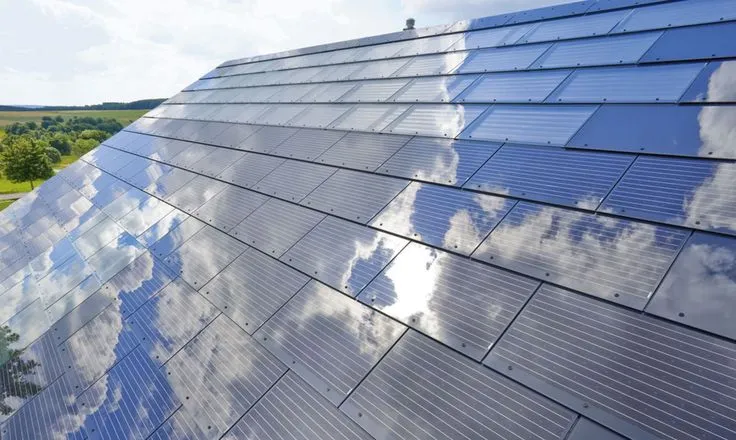

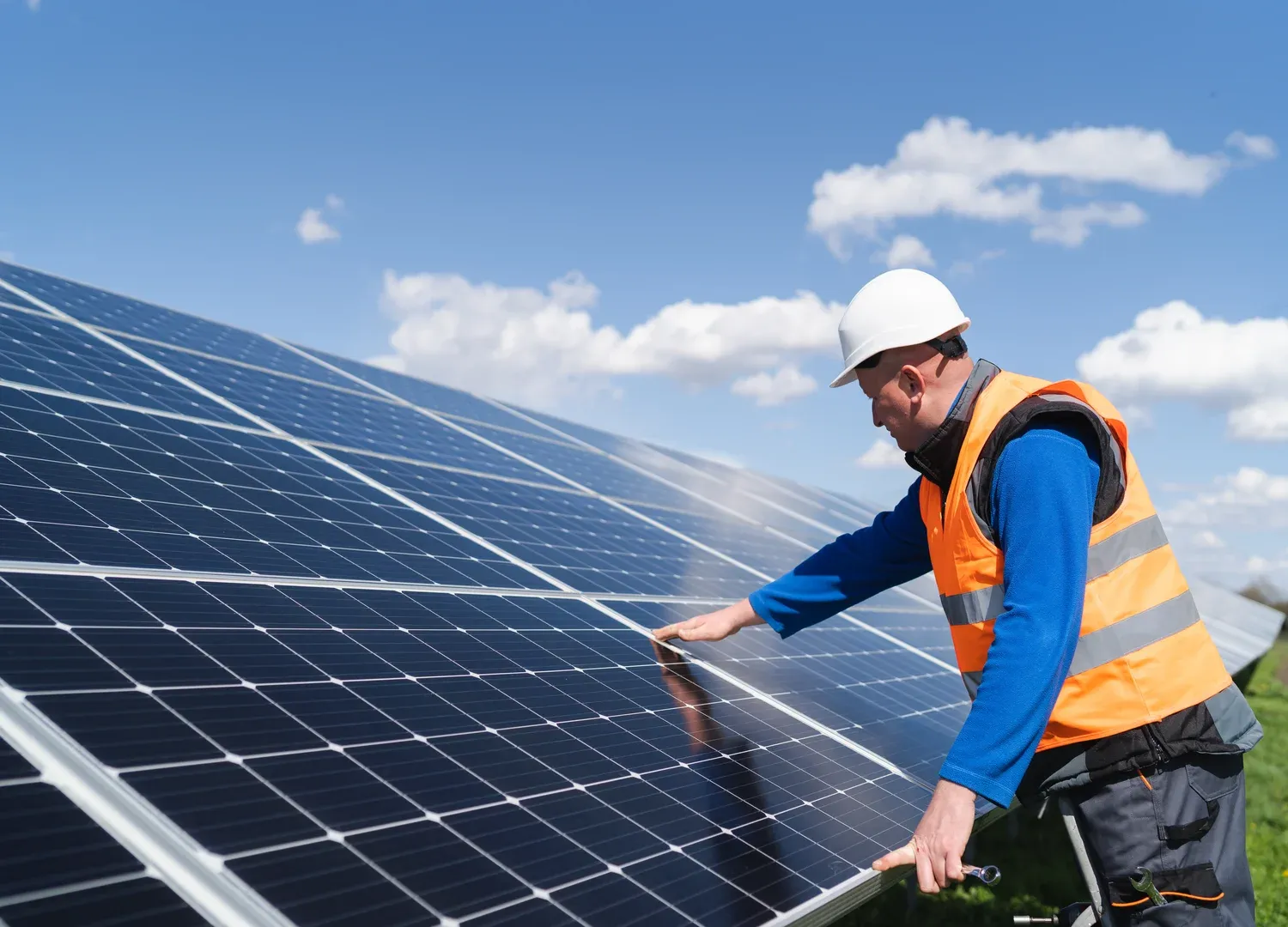
Long Island homeowners should plan roofing improvements carefully before installing or upgrading solar panels. Evaluating roof condition, repair needs, material options, and solar placement helps prevent future costs, protect the roof’s lifespan, and support efficient solar energy production.
As homeowners in Nassau and Suffolk counties weigh the decision of installing solar panels versus replacing an aging roof, a critical question emerges: which should come first? The answer lies in understanding the roof's condition and how it interacts with solar equipment. Dive into the nuances of planning both projects effectively to avoid costly mistakes and ensure a stable foundation for your solar investment.

Not every worn roof needs to be torn off. This guide explains when repair is enough and when replacement is the smarter investment for an aging roof. It covers warning signs, cost and lifespan comparisons, Long Island weather factors, and what owners should weigh before they decide.

Choosing the right roofing contractor is crucial for Nassau County homeowners, especially when a roof issue arises unexpectedly. From verifying licenses to understanding warranties, this guide uncovers the essential steps to ensure a reliable hire. Find out how to navigate estimates and avoid common pitfalls that can lead to costly mistakes.
Sudden storm damage calls for fast, careful action. Property owners should stay off the roof, photograph every problem, and arrange temporary protection to keep water out. They should also notify their insurer promptly and get an independent inspection from a licensed roofer. This guide covers each step, common storm damage types, and what to check before choosing a contractor.

Proper roof preparation is an important step before installing solar panels. Checking the roof’s condition, addressing existing damage, evaluating available space, and planning panel placement can help create a suitable foundation for the solar system. Careful preparation can also reduce future issues and support reliable roof and solar performance.
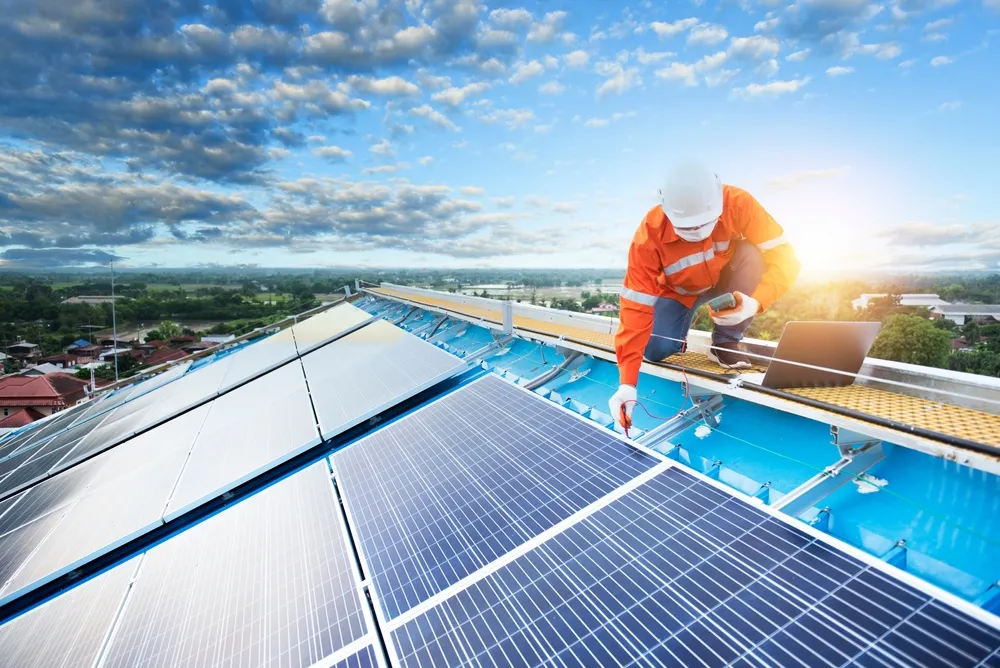
A flat roof requires careful planning when solar panels are involved. From drainage and roof condition to mounting methods and maintenance access, understanding these key considerations can help property owners protect their roof while supporting an efficient solar installation.
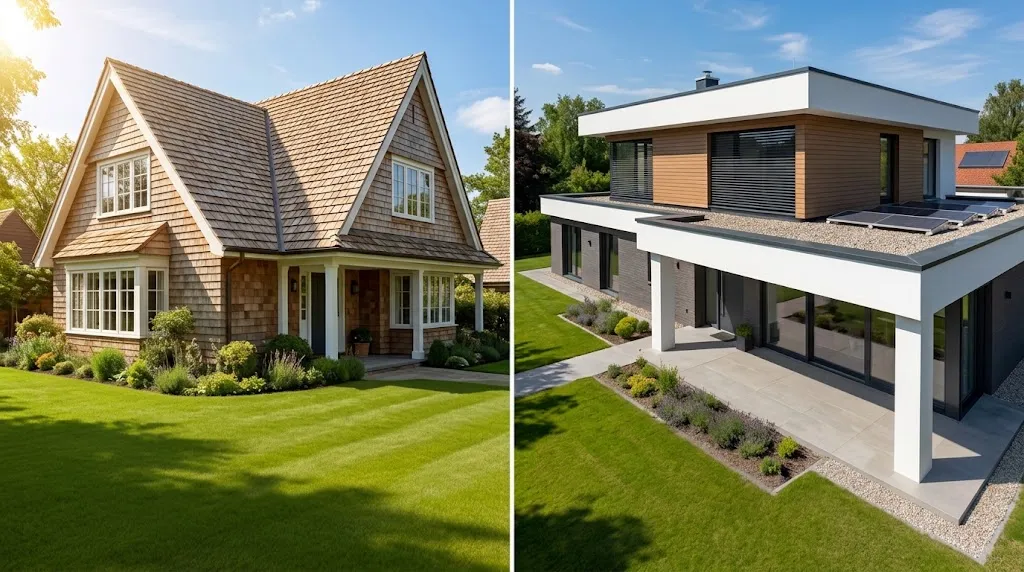
Cedar and flat roofing offer very different benefits, designs, and maintenance needs. Understanding how each roofing approach performs can help property owners choose the right option based on durability, appearance, drainage, maintenance, and long-term property needs.
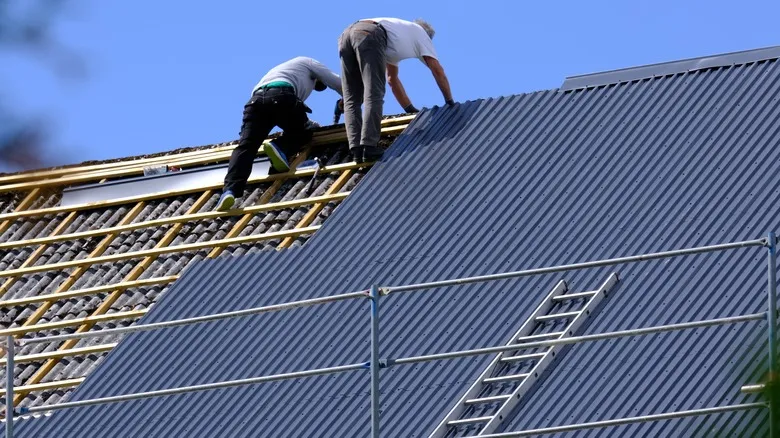
Is your roof showing signs of age or wear? Before you commit to a costly replacement, uncover the essential factors that dictate whether repairs or a complete overhaul are necessary. This guide offers insights on material quality, contractor communication, and the subtle warning signs that could change your roofing strategy.
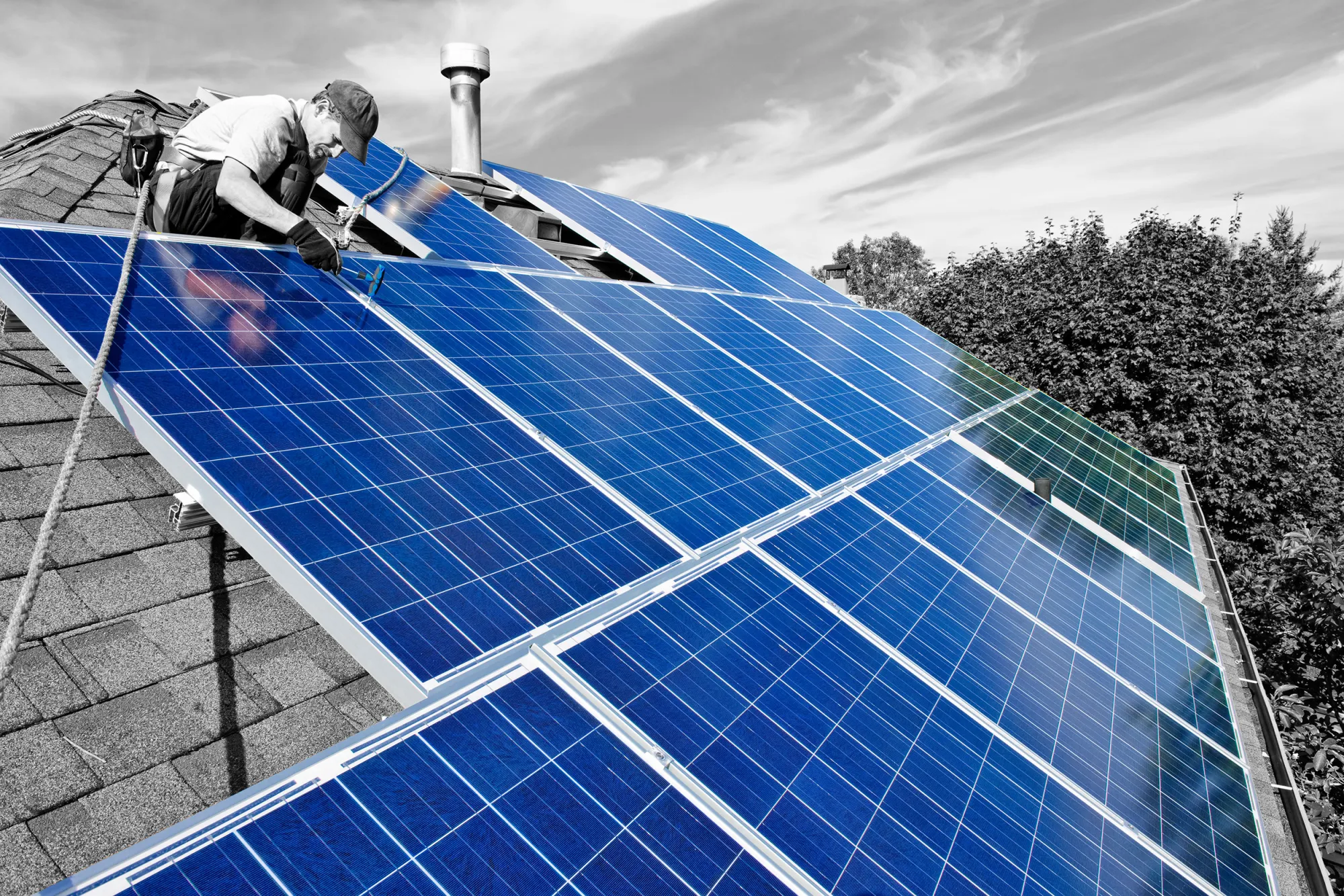
Before diving into the world of solar panels, homeowners must consider the condition of their roof. This guide outlines crucial factors like local project experience, clear roles during installation, and the importance of warranties. Each step in the process is vital for a successful solar installation that stands the test of time.
Before making the leap into solar energy, property owners must evaluate their roof's health, energy consumption, and local climate. This guide highlights key insights from industry experts that can set you up for success. Learn what steps to take and what common pitfalls to avoid to ensure your solar investment pays off in the long run.