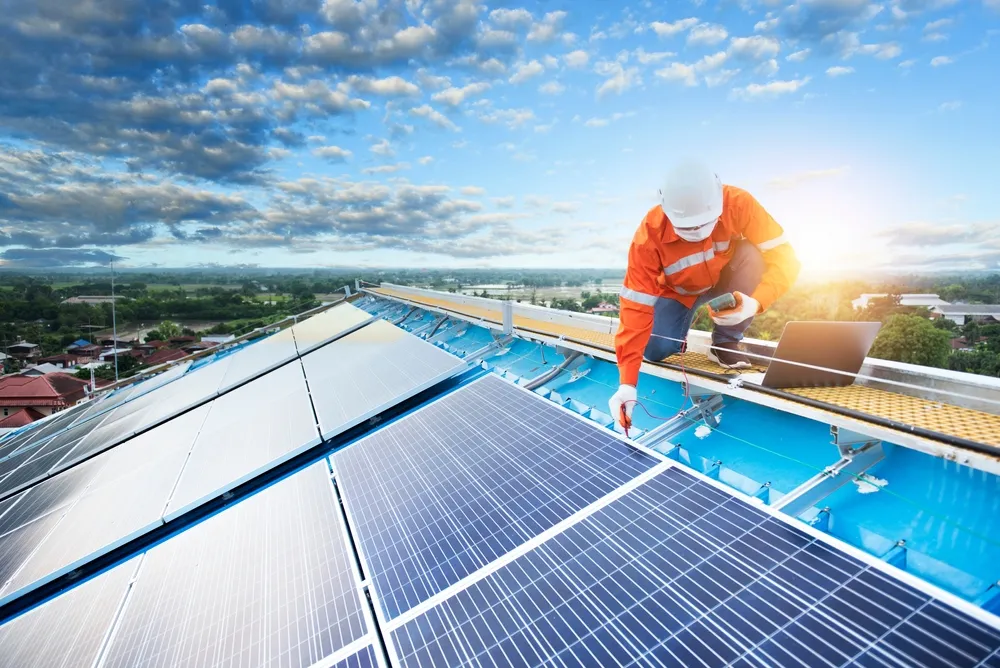

Solar panels can make good use of otherwise underutilized roof space, particularly on residential and commercial properties where energy costs are an important consideration. However, installing a solar array is not simply a matter of placing panels on an available roof surface. The condition, construction, drainage, structural capacity, and future maintenance requirements of the roof all need to be considered first.
For properties with flat roofing, these factors become especially important because solar equipment can affect access, water drainage, maintenance routines, and the way future roof work is performed. Proper planning helps property owners avoid unnecessary conflicts between the roofing system and solar equipment while supporting the long-term performance of both.
Why Flat Roofing Requires Careful Solar Planning
A roof provides the foundation on which solar equipment is installed, so its condition should be assessed before any panels are added. An aging roof may already require repairs or replacement, and installing solar equipment beforehand can make future roofing work more complicated and expensive.
Property owners should consider:
- The current age and condition of the roof
- The remaining expected service life
- Existing leaks, membrane damage, or weak areas
- The roof's ability to support the proposed solar system
- Drainage paths and roof penetrations
- Access requirements for future inspections and repairs
- The method that will be used to secure or support the solar equipment
Addressing roofing concerns before solar installation can reduce the possibility of removing and reinstalling panels later.
Evaluate Structural Capacity Before Installation
Solar panels and their supporting equipment add weight to a building. While the additional load may be manageable for many structures, the roof's structural capacity should not be assumed without proper evaluation.
A structural assessment can help determine whether the building can accommodate the proposed system and whether weight needs to be distributed across specific areas. Commercial buildings may have larger roof surfaces and more extensive solar arrays, making structural planning particularly important.
Wind loads should also be considered. Properties in Queens and other parts of Long Island can experience strong weather conditions, so solar mounting systems need to be appropriately designed and installed for the building and its environment.
The goal is not simply to determine whether panels can fit on the roof. It is to ensure that the complete system is compatible with the building's structural requirements.
Protect Drainage and Water Flow
One of the most important considerations is drainage. Flat roofs are designed with carefully planned slopes that direct rainwater toward drains, scuppers, or other drainage points. Solar equipment should not interfere with those pathways.
Mounting structures, wiring, ballast, and other components need to be positioned without creating areas where water can collect. Standing water can place additional stress on roofing materials and may contribute to deterioration over time.
Before installation, professionals can identify:
- Primary and secondary drainage routes
- Existing drains and scuppers
- Areas where water tends to accumulate
- Roof slopes and low points
- Locations that should remain clear for maintenance
Keeping drainage systems accessible and unobstructed can help protect both the roof and the solar investment.
Consider the Mounting Method
Solar systems can be installed using different mounting approaches, depending on the building, roof design, local requirements, and system specifications. Some installations use penetrations, while others may use ballasted systems or other mounting solutions.
Each approach has advantages and considerations.
Penetrating a roof surface requires careful detailing around the penetration points to prevent water intrusion. Ballasted systems can reduce the number of roof penetrations, but the added weight and wind-load requirements still need to be evaluated.
The mounting method should therefore be selected with both the solar system and the roofing assembly in mind. Improperly selected or installed equipment can create avoidable roofing problems, particularly when water management and maintenance access are overlooked.
Leave Room for Inspection and Maintenance
Solar panels should not cover every available section of a roof simply because space is available. Roof access remains necessary after installation.
Technicians may need to inspect drainage components, flashing, membranes, equipment, and other roofing details. Solar technicians may also need access to panels, wiring, inverters, and mounting components.
Adequate pathways can make these tasks easier and reduce the likelihood that maintenance work will disturb either system. Commercial properties may require additional planning because larger roofs often contain HVAC equipment, vents, skylights, electrical components, and other rooftop infrastructure.
A well-planned layout should account for these features rather than treating the roof as an empty surface.
Inspect the Roof Before Adding Solar Equipment

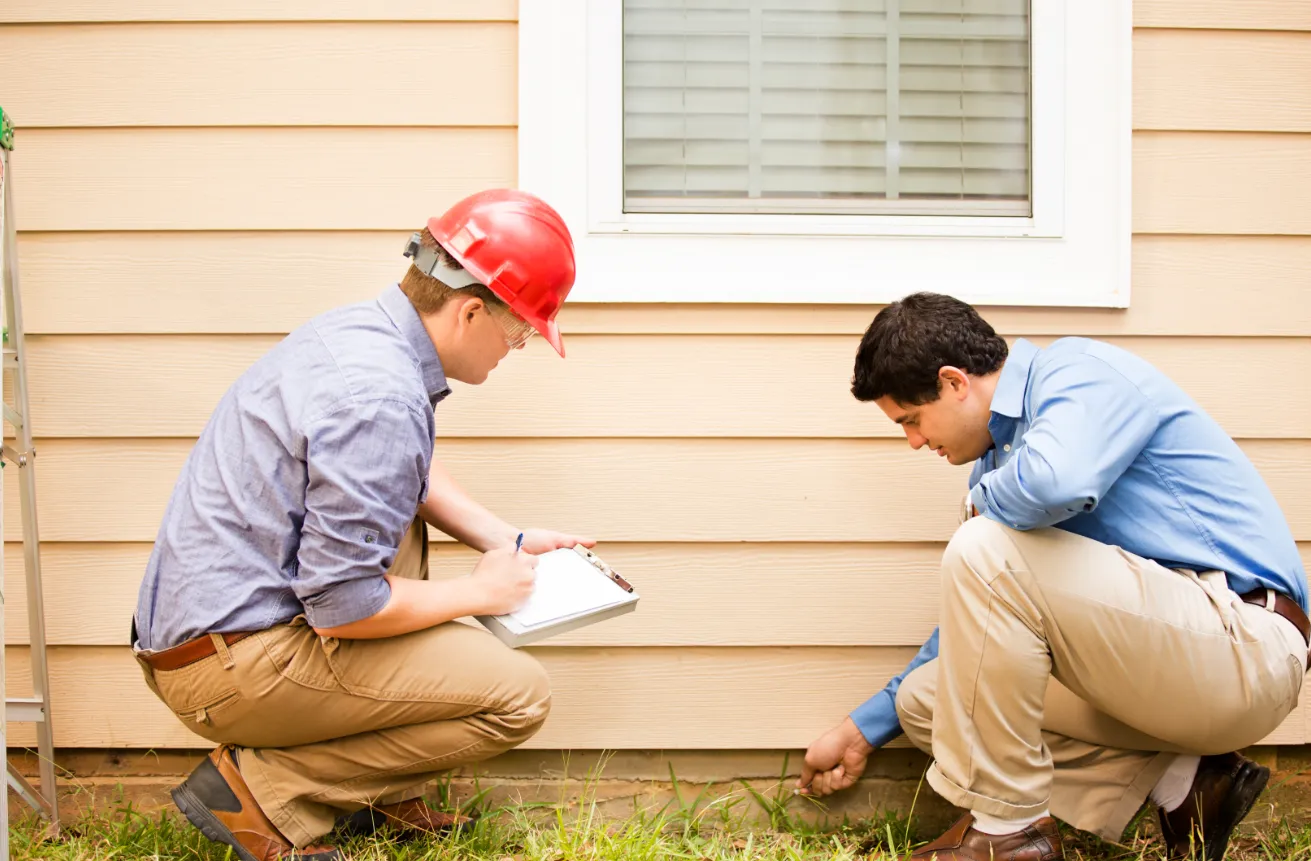
A detailed roof inspection can identify problems that may not be obvious from the ground. Small punctures, deteriorated materials, damaged flashing, ponding water, and previous repair areas can all affect the suitability of a roof for solar installation.
If significant roofing work is already necessary, completing that work before solar installation may be more practical. Otherwise, property owners could face the cost and disruption of removing solar panels when the roof eventually needs replacement.
This is particularly relevant for older commercial properties where the roof may have experienced years of weather exposure. A pre-installation inspection provides an opportunity to document existing conditions and identify areas that need attention.
Plan for Future Roof Replacement
Solar panels can have a long operating life, while roofing systems have different service expectations depending on the material, installation quality, environmental exposure, and maintenance.
That difference should be considered when planning a solar project.
If a roof is nearing the end of its useful life, replacing the roof before installing solar may be worth evaluating. A new roof can provide a stronger foundation for the solar system and potentially reduce the likelihood of removing the panels for major roofing work in the near future.
For properties that already have solar panels, future roof replacement should also include a plan for solar panel removal and reinstallation. Coordination between roofing and solar professionals can help reduce delays and prevent unnecessary damage to either system.
Account for Skylights, Equipment, and Other Features
Many commercial and residential roofs contain more than roofing materials and solar panels. Skylights, vents, HVAC units, access points, electrical equipment, and other rooftop features can influence where panels can be positioned.
Skylights deserve particular attention because they may require repair or replacement independently of the solar system. Panels should not make these areas inaccessible.
Similarly, mechanical equipment needs adequate clearance for servicing. A solar layout that looks efficient on paper may become problematic if technicians cannot safely reach equipment later.
Planning should therefore consider the entire roof environment rather than focusing exclusively on maximizing panel coverage.
Maintenance Should Cover Both Systems
Once solar panels are installed, roof maintenance does not stop. Property owners should continue monitoring the roofing system for leaks, drainage problems, membrane deterioration, and other signs of damage.
Solar equipment should also be inspected according to its maintenance requirements. If a roofing issue develops beneath or near the solar array, early detection can make repairs easier.
A coordinated maintenance approach can help property owners understand whether an issue originates with the roof, the solar equipment, or the interaction between the two. Keeping records of inspections and repairs can also provide useful information when the property eventually requires larger work.
Choosing the Right Professionals
Solar and roofing projects can overlap in ways that are easy to overlook. For that reason, property owners may benefit from working with professionals who understand both sides of the installation.
Solaroof NY provides solar services including panel installation, repair, inspection, replacement, and removal and reinstallation. Its roofing services include installation, repair, replacement, emergency roofing, and skylight repair, with experience across metal, cedar, shingle, and flat roofing systems.
The company serves residential and commercial property owners in Queens, as well as Nassau, Suffolk, and Brooklyn. Its combined approach can help property owners coordinate roofing considerations with solar-related work rather than treating the two projects as completely separate tasks.
Final Considerations Before Installing Solar
Solar panels can provide valuable energy benefits, but the roof beneath them should receive equal attention during project planning. Structural capacity, drainage, mounting methods, access, existing damage, rooftop equipment, and the roof's remaining service life can all influence the success of an installation.
For property owners, the most practical approach is to evaluate the roof before committing to the solar layout. Addressing necessary roofing work early can help prevent avoidable removal, repair, and reinstallation costs later.
Property owners considering flat roofing and solar panel projects in Queens can contact Solaroof NY at 516-744-0300 or [email protected] to discuss roofing and solar requirements and plan the next steps.
FAQs
1. Can solar panels be installed on a flat roof?
Yes. Solar panels can be installed on many flat-roofed properties, provided the building, roof condition, drainage, structural capacity, and mounting requirements are properly evaluated.
2. Should a roof be inspected before solar panel installation?
Yes. A pre-installation inspection can identify leaks, membrane deterioration, drainage concerns, structural issues, and other conditions that could affect the solar project.
3. Do solar panels affect roof maintenance?
They can. Panels and mounting equipment may affect access to parts of the roof, so the system should be laid out with inspection, drainage, repairs, and future maintenance in mind.






















Sign in to leave a comment.