
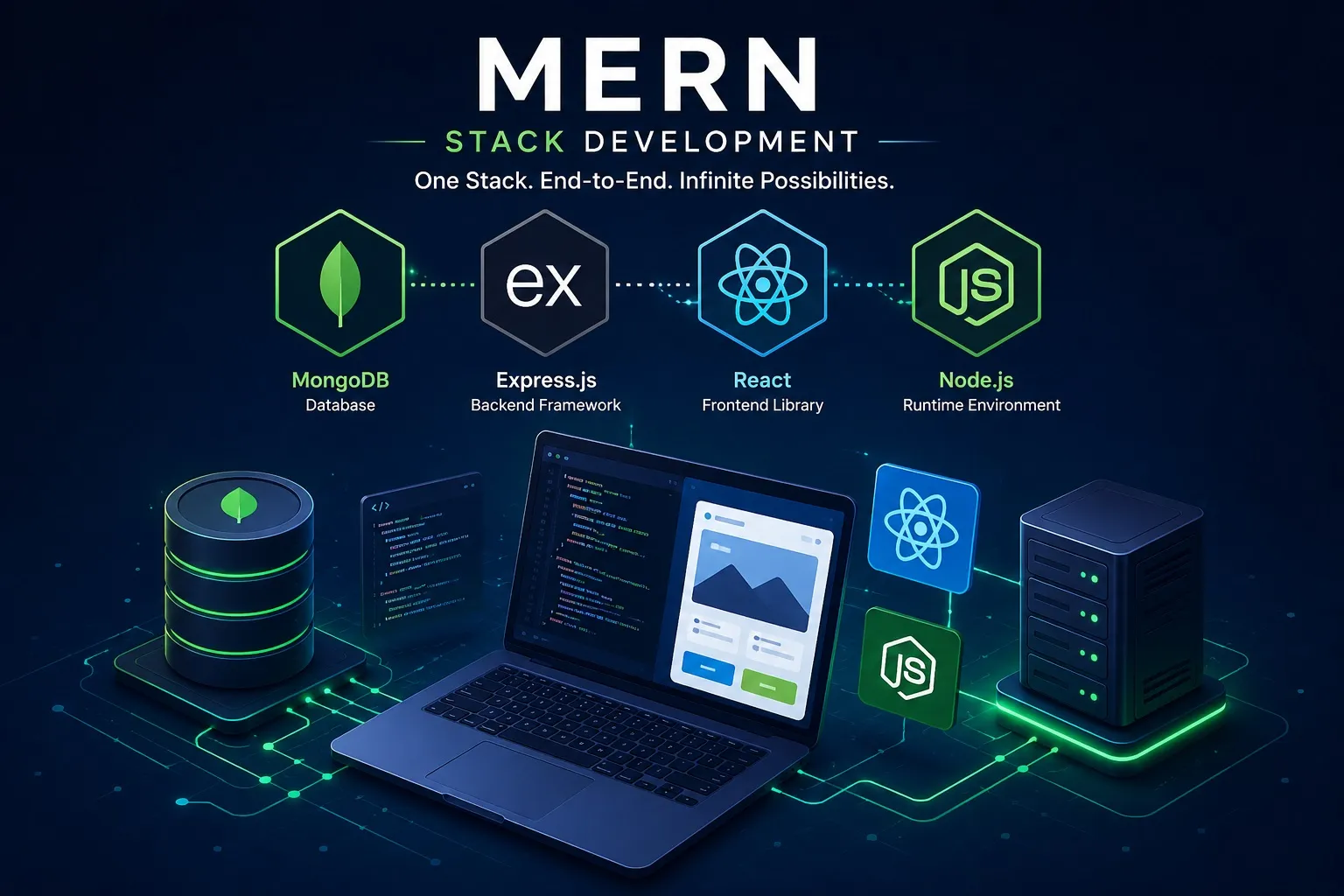



As Saudi Arabia's Public Investment Fund ramps up its AI initiatives, the focus must shift from just the technology to the data that underpins it. Many projects stall due to legal oversights surrounding data storage and handling. Uncover the key strategies for choosing the right AI development partner and how to navigate the complexities of data management in your projects.

The right team can make or break your AI development project, and treating it like simple outsourcing is a common mistake. This article dives into a real-world case study where a fintech company struggled after hiring a rotating team, underscoring the need for a dedicated and consistent group of developers. Uncover the critical strategies for ensuring your AI project is built to succeed from the start.
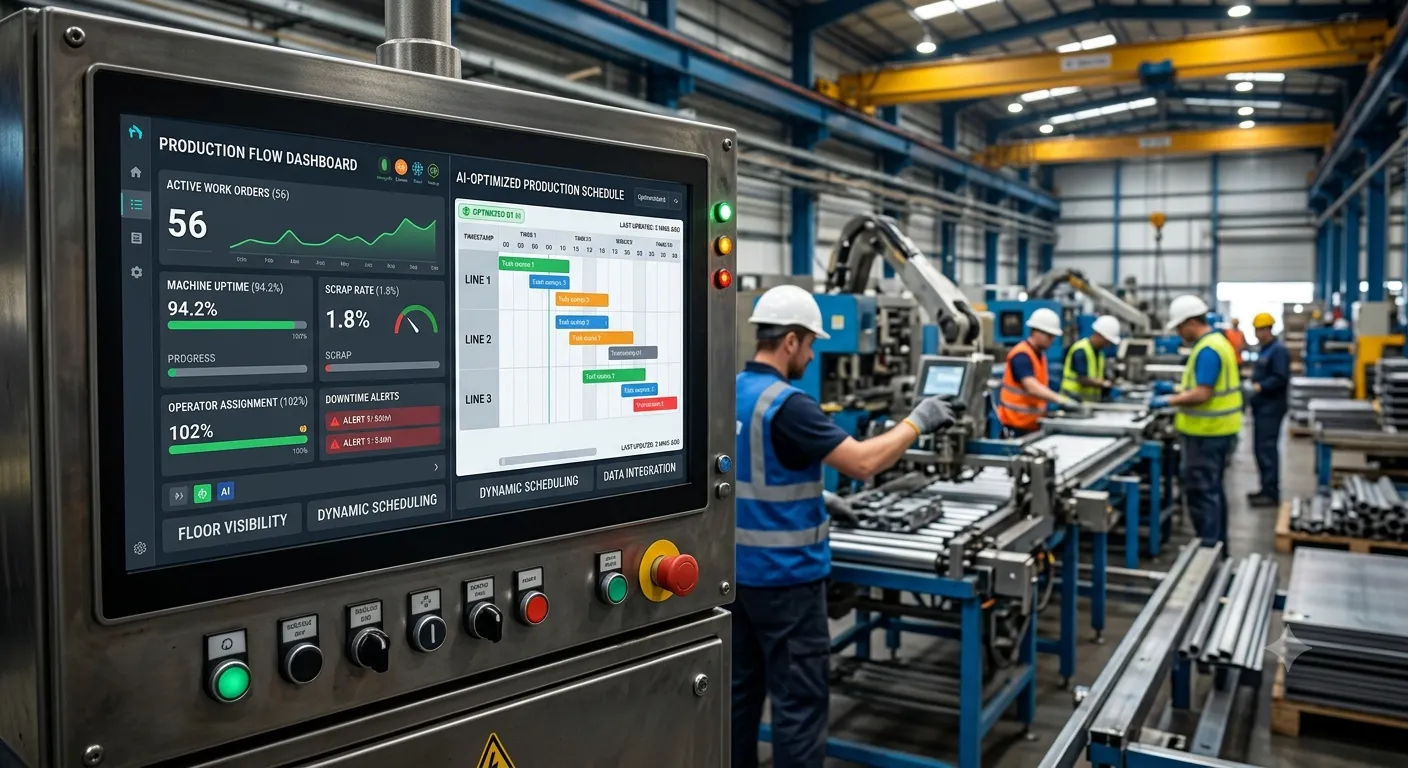
A senior full-stack consultant at Hidden Brains examines the practical advantages of the MERN stack for manufacturing software and explains when hiring dedicated MERN developers becomes the most effective route for Industry 4.0 initiatives.
Enterprise AI projects often fail due to flawed sequencing rather than technical flaws. Organizations must determine whether to start with strategy or custom development based on data readiness, process clarity, and outcome ownership. Combining both into a phased approach prevents unused pilots and ensures scalable, high-value enterprise adoption.
Full stack AI teams are helping manufacturers accelerate smart factory transformation by unifying front-end, backend, cloud, data, and AI development. This integrated approach connects AI to real manufacturing workflows, improves real-time decision-making, supports scalable MERN and MEAN architectures, and enables phased deployment across production facilities.

Managing enterprise software budgets requires looking beyond initial developer rates to understand the total cost of ownership. Unplanned cost increases stem from factors like scope complexity, system integrations, architectural choices, compliance needs, and ongoing maintenance. While hiring options span various global regions, lower hourly rates can lead to higher costs if quality or communication suffers. Hidden recruitment, onboarding, and management overheads also add up quickly.
With 90% of backend systems running on Node.js and React dominating the frontend landscape, the MERN stack has evolved into a powerhouse for enterprise applications. This article explores how these technologies have uniquely positioned themselves to meet the demanding needs of large organizations, transforming how they approach modern web development. Discover the strategies that make MERN a go-to choice for CTOs and engineers alike.