

Software development budgets rarely go over plan because of one big surprise. More often, they drift due to a series of overlooked decisions—project complexity, integration requirements, team composition, architecture choices, and hiring models.
For enterprise architects, budgeting is not about guessing how many hours the development will take. It is about knowing what causes costs to go up over time while making sure the software can grow safely and can be fixed or updated easily.
If you are working on a customer app, a company system, or a plan to change how the company uses technology, knowing where the money is going helps you make smarter choices about both the technology and the business.
This article looks at the things that affect how much it costs to build software and explains how working with a custom enterprise software development company or hiring people who can work on all parts of a website can really change how much the project costs and how well it works for the business.
Why Software Development Costs Vary So Much
One organization launches a business application for under $30,000. Another spends more than $500,000 on what appears to solve a similar problem.
The difference usually isn’t the technology stack. It’s everything surrounding it. Enterprise software budgets are influenced by factors such as:
- Business complexity
- Security and compliance requirements
- Integration with existing systems
- Team expertise
- Infrastructure decisions
- Product scalability
- Long-term maintenance
Instead of asking, “How much does software cost?” enterprise leaders should ask:
“What factors determine the total cost of ownership?”
Infographic to be placed here
Project Scope Is the Biggest Budget Driver
Each feature adds design, development, testing, deployment and future maintenance costs.
There is no such thing as a standard customer portal and a platform with thousands of users in multiple regions is quite different.
Typical development ranges include:
| Project Type | Scope & Key Features | Estimated Budget |
|---|---|---|
| Simple Applications | CRUD apps, informational websites, basic workflows | $15,000 – $50,000 (~£15,000 – £40,000) |
| Medium Complexity Platforms | Role-based systems, APIs, reporting, custom integrations | $40,000 – $200,000+ |
| Enterprise Applications | AI/ML integration, SaaS, compliance frameworks, multi-tenant architecture | $200,000 – $600,000+ (Large platforms often exceed $1M+) |
Technology Choices Influence More Than Licensing Costs
Technology decisions affect both immediate budgets and future engineering effort.
Enterprise architects often evaluate:
- Frontend frameworks
- Backend technologies
- Cloud infrastructure
- Databases
- Authentication systems
- DevOps pipelines
- Containerization
- Monitoring platforms
Choosing mature technologies generally reduces project risk. However, adopting emerging frameworks may increase implementation time because experienced developers are harder to find.
The goal isn’t choosing the cheapest technology. It’s selecting technologies that reduce future maintenance while supporting business growth.
Integration Requirements Add Significant Complexity
Very few enterprise applications operate independently. Most connect with systems such as:
- ERP platforms
- CRM software
- Identity providers
- Payment gateways
- Analytics platforms
- Third-party APIs
- Legacy databases
Each integration introduces:
- API development
- Authentication management
- Error handling
- Performance testing
- Security validation
- Ongoing maintenance
Complex integrations frequently account for a substantial portion of enterprise software budgets.
Architecture Decisions Affect Long-Term Costs
Choosing between a monolithic application and microservices isn’t simply an engineering decision. It directly impacts development effort. Enterprise architects must balance:
Simplicity
A monolithic architecture often costs less initially and works well for many business applications.
Scalability
Microservices improve flexibility but introduce additional complexity around deployment, monitoring, communication, and infrastructure. The right architecture depends on expected business growth rather than current requirements.
Hiring Model Plays a Major Role
Many organizations underestimate how much their hiring strategy affects total project cost.
Hourly rates vary significantly across global regions.
| Region | Typical Senior Developer Rates (USD) |
|---|---|
| North America | $100 – $200+ / hour |
| Western Europe | $70 – $180 / hour |
| Eastern Europe | $40 – $100 / hour |
| Latin America | $30 – $90 / hour |
| Asia (India, Vietnam, etc.) | $25 – $65 / hour |
Offshore and nearshore development teams can often reduce hourly costs by 40–70% compared to US or Western European teams. However, hourly rates alone don’t determine project value.
Organizations should also consider:
- Communication quality
- Domain expertise
- Engineering maturity
- Delivery methodology
- Time-zone overlap
- Code quality
- Documentation standards
A lower hourly rate can become expensive if rework, delays, or technical debt increase over time.
Hidden Costs of Hiring Developers
One of the most overlooked budget considerations is the hidden costs of hiring developers.
Beyond salaries or hourly rates, organizations frequently incur expenses related to:
- Recruitment
- Technical assessments
- Onboarding
- Infrastructure setup
- Employee benefits
- Knowledge transfer
- Team management
- Productivity loss during ramp-up
- Employee turnover
Hiring internally may appear economical on paper but often carries high indirect costs.
Working with experienced dedicated engineering teams can reduce many of these operational overheads.
Why Dedicated Full Stack Developers Improve Budget Predictability
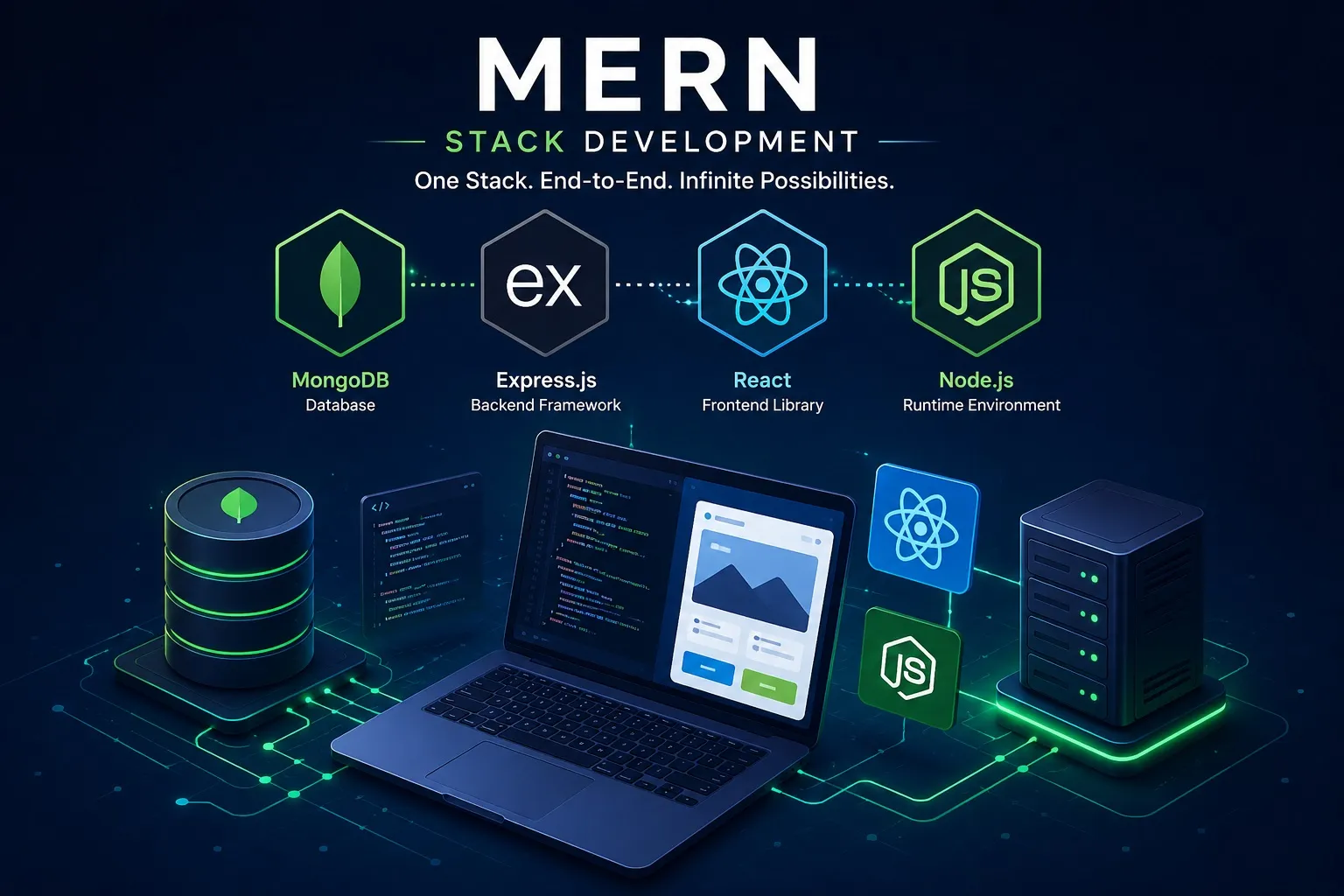
Enterprise projects often involve multiple technologies across the frontend, backend, APIs, databases, cloud platforms, and deployment pipelines.
A dedicated Full Stack Developer brings cross-functional expertise that reduces handoffs between specialized teams.
Benefits include:
- Faster decision-making
- Better collaboration
- Reduced communication gaps
- Faster bug resolution
- Consistent coding practices
- Improved development velocity
For medium-sized enterprise initiatives, this often results in better budget predictability.
If you want to get engineering work done without having to hire a lot of new people you should think about working with teams that have a lot of experience. These teams can give you stack developers who can do high quality work for big companies.
This way companies can get help from people who really know what they are doing. They can still make changes as they go along with their project. Full stack developers from these teams can really help with the development process.
Enterprise Requirements Increase Development Investment
Enterprise software must satisfy requirements beyond functionality. These often include:
- High availability
- Disaster recovery
- Identity management
- Compliance (GDPR, HIPAA, SOC 2, ISO)
- Audit logging
- Performance optimization
- Data encryption
- Multi-region deployment
- Role-based access control
Each requirement increases planning, implementation, testing, and operational effort. These investments improve reliability and reduce long-term business risk.
Maintenance Is Part of the Budget
Many organizations focus entirely on development while overlooking post-launch costs.
Software continues evolving after deployment. Ongoing investment includes:
- Security updates
- Performance improvements
- Feature enhancements
- Cloud optimization
- Framework upgrades
- Monitoring
- Bug fixes
- Infrastructure scaling
Annual maintenance typically represents a meaningful percentage of the original development investment, making it an essential part of budget planning rather than an afterthought.
Balancing Cost and Business Value
Budget optimization isn’t about finding the lowest-cost development option. It’s about maximizing return on engineering investment.
Enterprise architects should evaluate factors affecting full-stack development cost alongside long-term business objectives.
Questions worth asking include:
- Will this architecture support future growth?
- Can this solution integrate with existing systems?
- How much technical debt are we introducing?
- Does this hiring model support long-term delivery?
- What operational costs will exist after launch?
These questions often have a greater impact on total project cost than hourly development rates.
Choosing the Right Development Partner
The full stack development agency cost should never be evaluated in isolation. An experienced technology partner contributes through:
- Solution architecture
- Technical consulting
- Risk management
- Engineering best practices
- Faster delivery
- Quality assurance
- DevOps automation
- Long-term product support
The right partner helps organizations to avoid expensive redesigns, mitigate delivery risks, and speed up to business outcomes.
In the case of enterprise projects, it can be that a reliable custom enterprise software development company, with a proven track record in full stack development, provides greater value over time, than the cheapest possible vendor.
Final Thoughts
Software development budgets are influenced by more than just the cost of developers. Factors like how complicated the project is, how the system is designed, how different parts connect, how secure it is, how teams are hired and what it takes to keep everything running all play a role in how much money's needed.
Enterprise architects who know these things can create budgets lower the chances of problems and make technology choices that help the business grow over time.
If you are starting a digital project or updating an old one, putting money into skilled engineers and the right team makes sure that your budget leads to real results that last.
If you are getting ready, for your big project look into hiring dedicated full stack developers who have the right skills. This helps get things done faster while keeping things quality and cost effective.
Frequently Asked Questions
What are the main factors that influence software development costs?
Software development costs are influenced by various factors including project complexity, integration requirements, team expertise, chosen technology stack, and long-term maintenance needs. Understanding these elements can help organizations better anticipate their budget requirements.
How does project scope affect the budget for software development?
Project scope is a significant budget driver as each additional feature requires design, development, testing, and maintenance. Larger and more complex applications will naturally incur higher costs than simpler projects.
Why are technology choices important in determining software costs?
Technology choices impact both the immediate budget and future engineering efforts. Selecting mature technologies can reduce risk and maintenance costs, while newer frameworks may increase implementation time and costs due to a shortage of experienced developers.
How do hiring models affect software development budgets?
The hiring model can significantly influence total project costs, as hourly rates vary widely by region. While offshore teams may offer lower rates, it's essential to consider factors like communication quality and engineering expertise to ensure project success.
What hidden costs should organizations consider when hiring developers?
Organizations often overlook hidden costs such as recruitment, onboarding, team management, and productivity loss during ramp-up. These indirect expenses can add up quickly, making it essential to factor them into budget planning.
How can dedicated full stack developers improve budget predictability?
Dedicated full stack developers bring cross-functional expertise that streamlines the development process, reduces communication gaps, and enhances collaboration. This can result in better budget predictability and improved project outcomes.
Why is maintenance an important part of the software development budget?
Maintenance is crucial as software requires ongoing updates for security, performance, and functionality. Organizations should allocate a meaningful portion of their budget for annual maintenance to ensure the software continues to meet business needs over time.
What should organizations consider when selecting a development partner?
When choosing a development partner, organizations should evaluate factors such as the partner's experience, technical consulting capabilities, risk management strategies, and ability to provide long-term support. A reliable partner can significantly enhance project value and mitigate risks.



























Sign in to leave a comment.