Modern surveillance systems have evolved far beyond simple video recording. Today's security cameras are equipped with intelligent features that enhance monitoring accuracy, improve response times, and reduce the need for constant human supervision. One of the most significant advancements in surveillance technology is auto-tracking in PTZ (Pan-Tilt-Zoom) cameras. This feature allows CCTV camera in Pakistan to automatically detect, follow, and record moving subjects within their field of view.
Auto-tracking technology has become increasingly popular for residential properties, commercial buildings, warehouses, factories, educational institutions, parking lots, and public spaces. By automatically following suspicious movement, PTZ cameras provide broader coverage and capture more useful footage than fixed cameras alone.
This guide explains how auto-tracking technology works, its advantages, deployment considerations, and best practices for maximizing surveillance performance.
What Is Auto-Tracking Technology?
Auto-tracking is an intelligent surveillance feature that enables a PTZ camera to automatically identify a moving object and follow it as it travels across the monitored area.
Instead of remaining fixed in one direction, the camera adjusts its position by:
- Panning horizontally
- Tilting vertically
- Zooming automatically
This dynamic movement keeps the subject within the frame, allowing continuous recording without manual camera control.
Understanding PTZ Cameras
PTZ stands for:
- Pan
- Tilt
- Zoom
Unlike conventional fixed cameras, PTZ cameras can rotate in multiple directions and zoom in on specific objects or individuals.
Typical PTZ capabilities include:
- Wide-angle monitoring
- Long-distance zoom
- Preset patrol routes
- Remote control
- Automatic tracking
- Intelligent event detection
These features make PTZ cameras suitable for monitoring large and complex environments.
How Auto-Tracking Works
Modern PTZ cameras combine high-quality imaging with intelligent video analytics.
The process generally follows these steps:
- The camera detects movement.
- Intelligent software analyzes the object.
- The system determines whether tracking should begin.
- The camera automatically pans and tilts to follow the subject.
- Zoom adjusts when necessary to maintain image clarity.
- Recording continues until the object exits the monitored area or tracking ends.
This automated process helps ensure important events remain within the camera's field of view.
Benefits of Auto-Tracking
Auto-tracking offers numerous advantages over traditional surveillance systems.
Key benefits include:
- Continuous subject monitoring
- Reduced manual operation
- Improved incident documentation
- Better perimeter protection
- Faster threat identification
- Wider surveillance coverage
- Enhanced evidence collection
- Greater operational efficiency
These benefits improve overall security while reducing the workload for monitoring personnel.
Ideal Applications
Auto-tracking technology performs well across a wide range of environments.
Common deployment locations include:
- Residential homes
- Shopping centers
- Parking facilities
- Warehouses
- Manufacturing plants
- Office complexes
- Schools
- Hospitals
- Construction sites
- Public parks
The technology is especially valuable in areas where people or vehicles move frequently across large spaces.
Intelligent Motion Detection
Auto-tracking relies on advanced motion analysis rather than simple movement detection.
Modern systems distinguish between:
- People
- Vehicles
- Animals
- Environmental movement
This intelligent filtering helps reduce unnecessary tracking triggered by wind, rain, tree branches, or changing lighting conditions.
More accurate detection results in fewer false alarms and more efficient surveillance.
Wider Coverage Than Fixed Cameras
Traditional cameras monitor only one viewing direction.
PTZ cameras can observe much larger areas by rotating across wide angles and automatically repositioning themselves as activity occurs.
This broader coverage often reduces the number of cameras required to monitor expansive locations.
Automatic Zoom Improves Identification
Zoom functionality plays a critical role in auto-tracking.
As a subject moves farther away, the camera can automatically adjust zoom levels to maintain image clarity.
This helps capture valuable details such as:
- Facial features
- Clothing
- License plates
- Suspicious objects
- Vehicle characteristics
Better identification strengthens security investigations when recorded footage is reviewed.
Integration with AI Features
Many modern PTZ cameras combine auto-tracking with artificial intelligence.
AI capabilities may include:
- Human detection
- Vehicle recognition
- Intrusion detection
- Line crossing alerts
- Object classification
- Behavior analysis
These intelligent functions improve tracking accuracy while reducing unnecessary camera movement.
Remote Monitoring
Auto-tracking becomes even more powerful when combined with remote monitoring applications.
Users can:
- Watch live video
- Receive instant alerts
- Control PTZ functions
- Review recordings
- Capture snapshots
- Manage multiple cameras
Remote accessibility improves security management for property owners and security teams.
Improve Perimeter Security
Large outdoor areas often contain multiple entry points.
Auto-tracking helps monitor:
- Building entrances
- Boundary walls
- Parking lots
- Driveways
- Loading docks
- Industrial yards
Continuous subject tracking improves situational awareness while reducing blind spots.
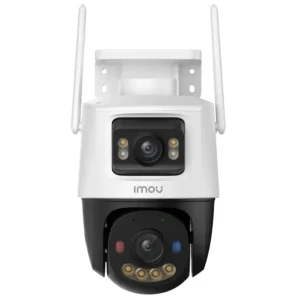
A CCTV camera PTZ outdoor solution is particularly effective for monitoring open spaces where individuals or vehicles may travel long distances across the surveillance area.
Installation Considerations
Proper installation is essential for maximizing auto-tracking performance.
Installers should consider:
- Camera mounting height
- Field of view
- Lighting conditions
- Network connectivity
- Power supply
- Obstacle placement
Avoid positioning cameras where large objects constantly block movement.
An unobstructed view improves tracking accuracy.
Lighting Conditions
Good lighting significantly improves intelligent detection.
Although PTZ cameras include infrared illumination for nighttime monitoring, balanced lighting allows:
- Better object recognition
- Improved tracking
- Clearer recordings
- More accurate zoom performance
Avoid directing bright lights toward the camera lens to minimize glare.
Storage Planning
Auto-tracking often captures more detailed video sequences than fixed recording.
Storage planning should account for:
- Camera resolution
- Recording schedule
- Frame rate
- Number of cameras
- Retention requirements
Adequate storage ensures important footage remains available for later review.
Cybersecurity Best Practices
Modern surveillance systems connect to networks and cloud services.
Protect PTZ systems by:
- Updating firmware regularly
- Using strong passwords
- Enabling encrypted communication
- Restricting administrator access
- Securing Wi-Fi networks
Cybersecurity protects both recorded footage and remote management capabilities.
Maintenance Tips
Regular maintenance keeps PTZ cameras operating efficiently.
Recommended maintenance includes:
- Cleaning camera lenses
- Checking moving components
- Updating software
- Inspecting mounting brackets
- Testing tracking accuracy
- Reviewing network performance
Routine inspections help prevent unexpected failures.
Budget Considerations
Choosing a PTZ camera involves evaluating long-term performance rather than focusing solely on purchase cost.
Important considerations include:
- Image quality
- Optical zoom capability
- AI functions
- Weather resistance
- Warranty
- Mobile application support
- Expandability
Many buyers comparing the PTZ camera price in pakistan evaluate advanced tracking features alongside durability and overall surveillance performance to achieve better long-term value.
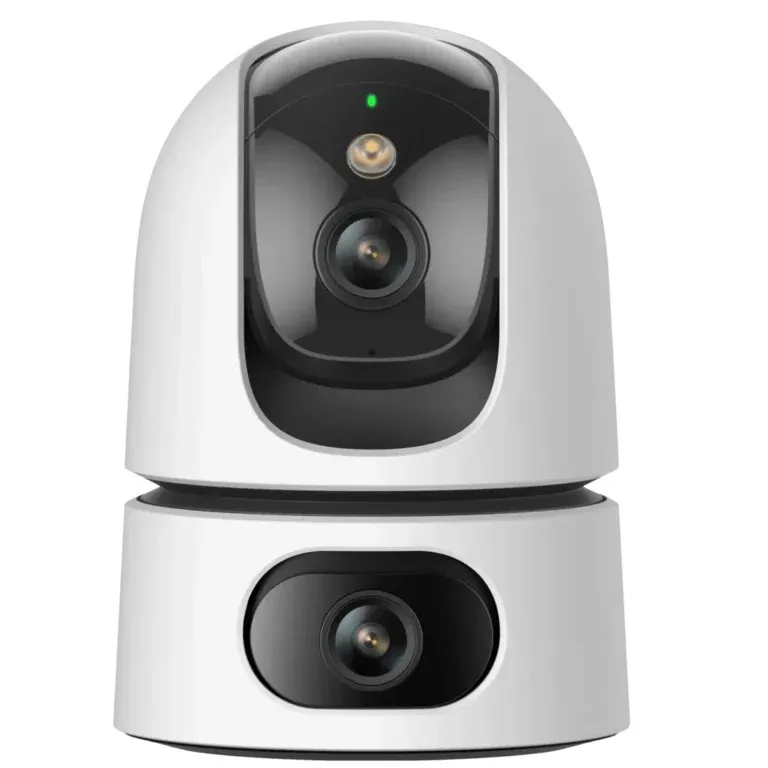
Similarly, customers exploring options for a cctv camera in pakistan increasingly prioritize intelligent automation, remote access, and image quality when selecting surveillance equipment.
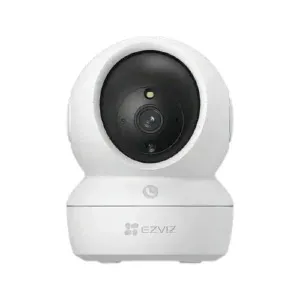
Some popular smart surveillance models, including the EZVIZ H8c 2K⁺ Pan camera, combine pan-and-tilt functionality with intelligent tracking features, making them suitable for residential and small business outdoor monitoring where wide-area coverage is important.
Common Mistakes to Avoid
Avoid these common deployment errors:
- Installing cameras too low
- Ignoring lighting conditions
- Poor network planning
- Insufficient storage
- Skipping firmware updates
- Weak cybersecurity practices
- Failing to test tracking performance
- Blocking camera movement with nearby obstacles
Avoiding these issues helps maintain reliable surveillance performance.
Future of Auto-Tracking Technology
Auto-tracking technology continues to evolve rapidly.
Future developments are expected to include:
- Smarter AI analytics
- Improved facial recognition
- Faster object classification
- Multi-camera coordinated tracking
- Predictive movement analysis
- Enhanced cloud integration
- Greater automation
- Improved low-light performance
These innovations will further strengthen surveillance capabilities while reducing manual monitoring requirements.




















Sign in to leave a comment.