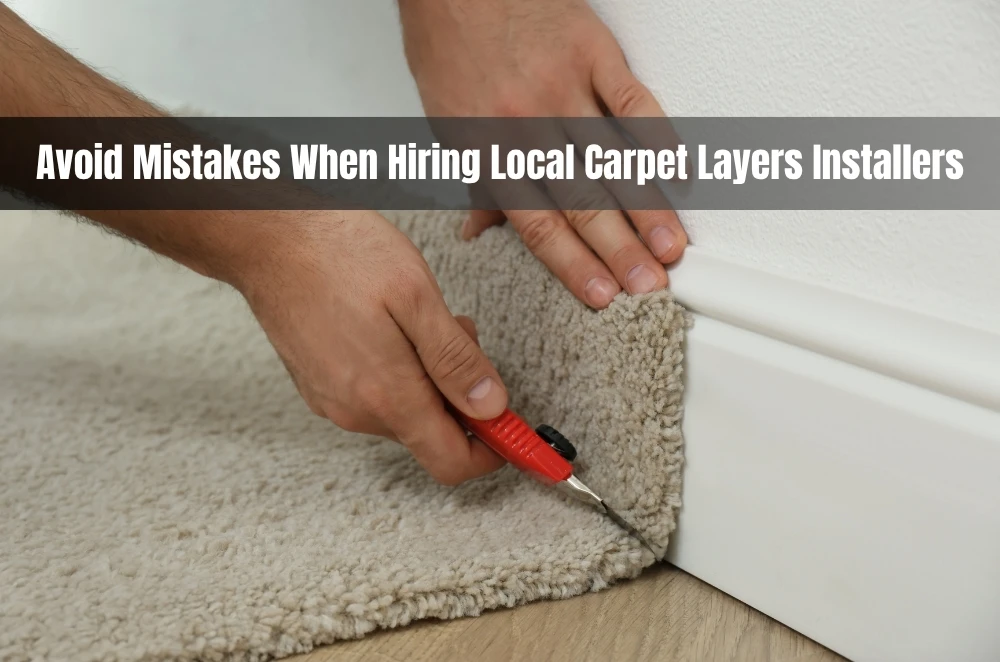

When I first organised a carpet installation, I figured it’d be a quick decision — pick the style, set a date, done. But there’s a lot under the surface, literally. If you don’t slow down and ask the right questions, small things get missed. And those small things? They’ll show up once the job’s finished, furniture's back, and you start noticing little issues that drive you mad.
That’s why understanding how carpet layer installation actually works can make all the difference — especially when it comes to spotting shortcuts before they become costly problems. The best tradies I’ve worked with took time to look at things I hadn’t thought of: dodgy joins between rooms, skirting board levels, and even how my floorboards moved in heat. Little stuff. But it all adds up.
Know the difference between carpet types — and who installs them best
Carpets aren’t all the same — and neither are the people installing them. The pile type, the fibre material, even how thick the underlay sits — each factor matters. What suits a rental might be a terrible fit for your forever home.
Here’s a quick rundown of common options:
- Twist pile: Tidy, durable, doesn’t show wear easily
- Plush pile: Soft feel, but marks easily with footprints
- Loop pile: Hard-wearing but may snag with pets or rough furniture
- Solution-dyed nylon: Great stain resistance
- Wool blend: Breathable and natural, but a bit more particular to clean
The key? Find someone who doesn’t just install carpet, but understands the product they’re working with. Ask them if your carpet choice fits your lifestyle — or if it’ll just become a magnet for dirt and frustration.
Avoid skipping a proper pre-installation inspection
Don’t skip the walkthrough. If your carpet layer offers a quote without seeing the space, that’s a warning sign. Every floor tells a story — and it’s not always one you can guess over the phone.
A solid inspection will uncover:
- Dampness or glue residue in subfloors
- Wobbly boards or height variations
- Cut-throughs where floorplans were changed
- Whether the old underlay should be binned, not reused
I once lived in a place where the installer didn’t check for slope in the back hallway — the carpet bunched after a week, and we couldn’t open the laundry door without dragging the pile. All because someone guessed instead of looking.
Look out for basic compliance and safe installation habits
Some installers rush the job. Others treat it like a real trade — which it is. Carpet that isn’t laid correctly can create hazards, especially near stairs or doorways. Over time, those loose edges or uneven seams become more than a visual issue.
Installers who are familiar with floor safety regulations tend to take more care, especially with edge sealing, transitions, and entryway joins. You don’t want someone stapling gripper rods like it’s a race — you want someone who knows those areas can trip people up if done wrong.
And here’s something else: homes with elderly residents, or with kids constantly running around, need extra thought. A smooth floor isn’t just about looks. It’s about not getting hurt.
Always find out who’s actually doing the work
Seems simple, right? You call for a quote, they give you a price, and someone shows up. But the person quoting might not be the one laying the carpet. In fact, they might have nothing to do with the job once it’s scheduled.
That matters because communication gets lost. The person measuring might assume the layers know about a specific doorway or stair finish, but they don’t. And you’re left with a weird trim or mismatched joins that no one told you about.
Ask these upfront:
- Who will be doing the actual install?
- Have they worked with this type of carpet before?
- Will they do the prep work too?
I’ve worked with both subcontracted and in-house installers. The key is not who they are — it’s whether they’ve been properly briefed and take pride in the job.
Understand the long-term role of cleaning and maintenance
Once the carpet’s down and looking fresh, it’s easy to forget it’ll need upkeep — and not just a once-over with the vacuum. Some materials react badly to steam, while others trap allergens faster than you’d expect.
One thing that helped me was understanding how working with professional carpet layers made a difference long-term. They gave actual advice — not just product brochures. Little things, like using a dry cleaner on high-traffic paths or turning the pile with a rubber rake every few months.
That kind of practical feedback doesn’t always come with DIY or fast-quote installers. If your carpet’s going to last more than a few winters, how it’s cared for really counts.
Think beyond the home — especially for work or rental spaces
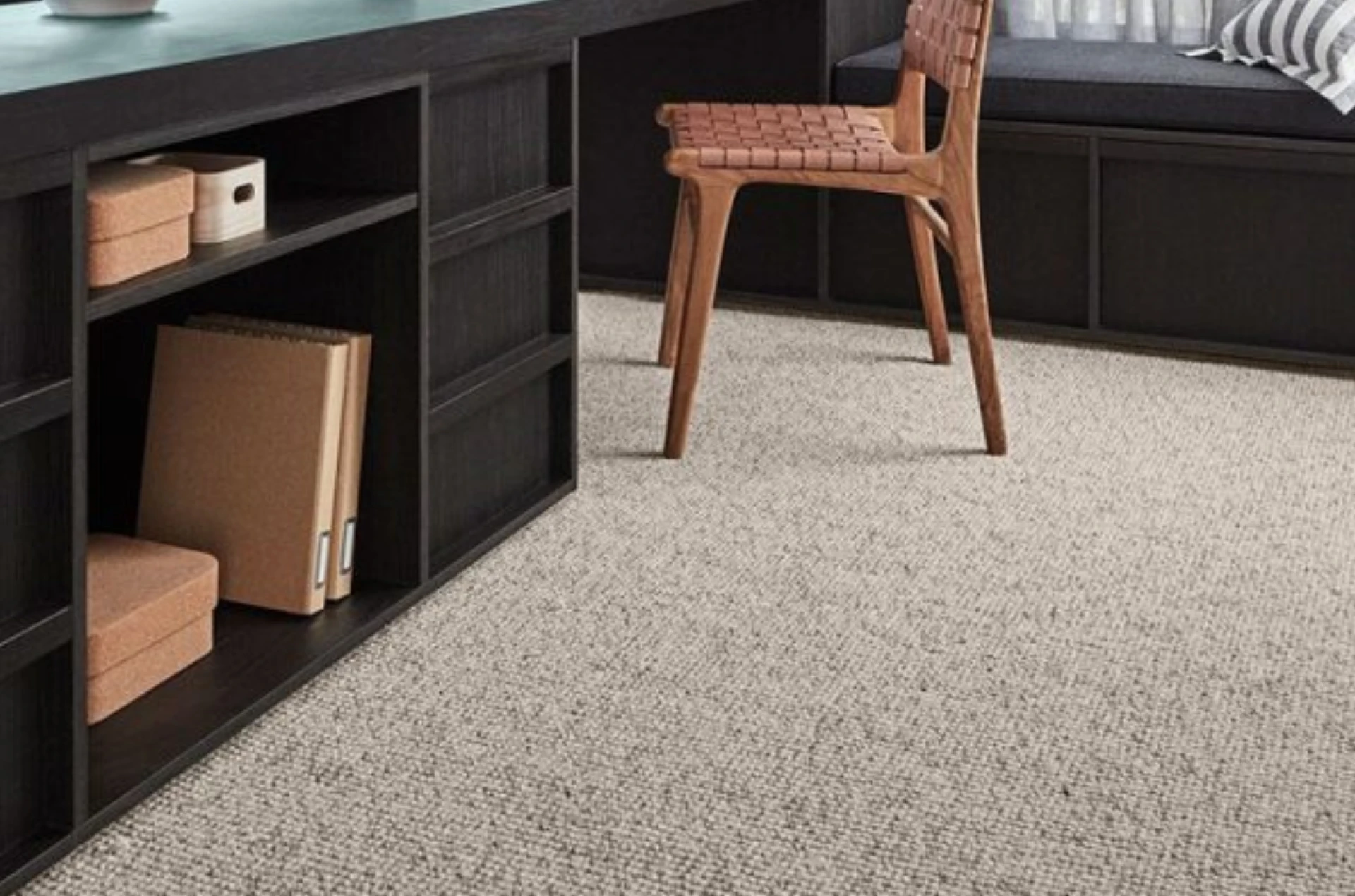
Residential work is one thing. But if you’re fitting out a studio, office, or rental, your priorities shift. It’s not just about softness — it’s about what handles foot traffic, mess, and daily wear with fewer complaints.
In those cases, people often weigh up vinyl vs carpet for businesses, especially in shared zones like waiting rooms or back offices. I’ve seen places that went all-in on plush carpet, only to regret it when the vacuum couldn’t keep up with footy boots and coffee spills.
Each space has different needs — and sometimes it’s better to combine carpet in quieter zones with something tougher in entryways or kitchens. An experienced installer will usually have thoughts on that, based on what they've seen hold up.



























Sign in to leave a comment.