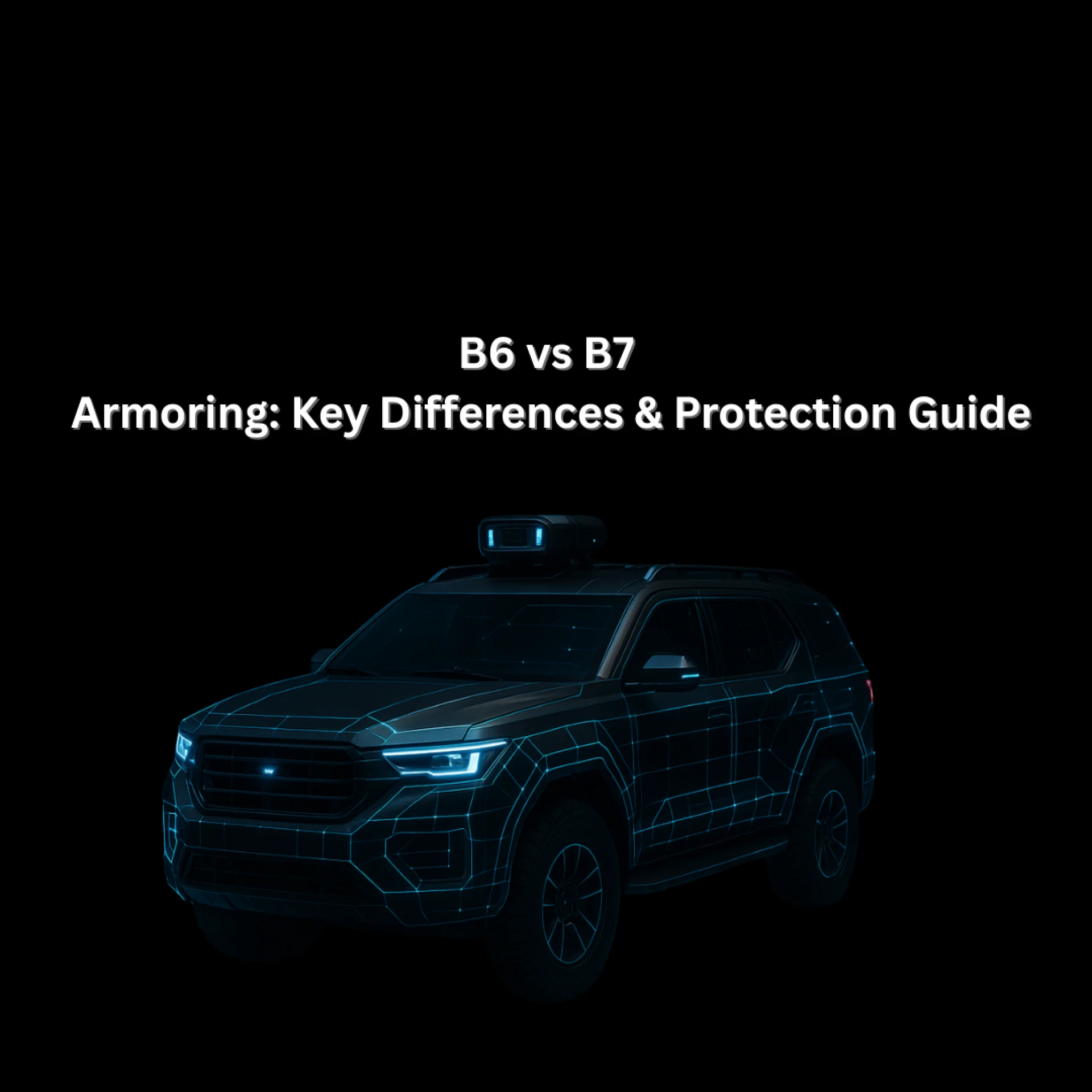

Introduction
When it comes to armored vehicles, one of the most common questions buyers ask is: “Should I choose B6 or B7 armoring?”
The difference between these two levels can determine how well you, your passengers, or your assets are protected in high-risk situations. In this article, I’ll explain the key differences, advantages, and ideal use cases for each, helping you make an informed decision.
What Do B6 and B7 Mean in Armoring?
Armoring levels are based on ballistic protection standards.
- B6 Armoring: Certified to withstand assault rifles such as AK-47s, AR-15s, and M16s.
- B7 Armoring: Designed to resist armor-piercing (AP) rifle rounds, offering the highest level of civilian ballistic protection.
These classifications follow internationally recognized testing standards (like EN 1063), ensuring the vehicle can survive specific threat scenarios.
B6 Armoring – The Global Standard for Civilian Protection
B6 armoring is the most requested level for civilian armored vehicles.
Features & Advantages:
- Stops 7.62×51mm NATO, 5.56×45mm, and 7.62×39mm rounds.
- Provides protection against multiple shots at close range.
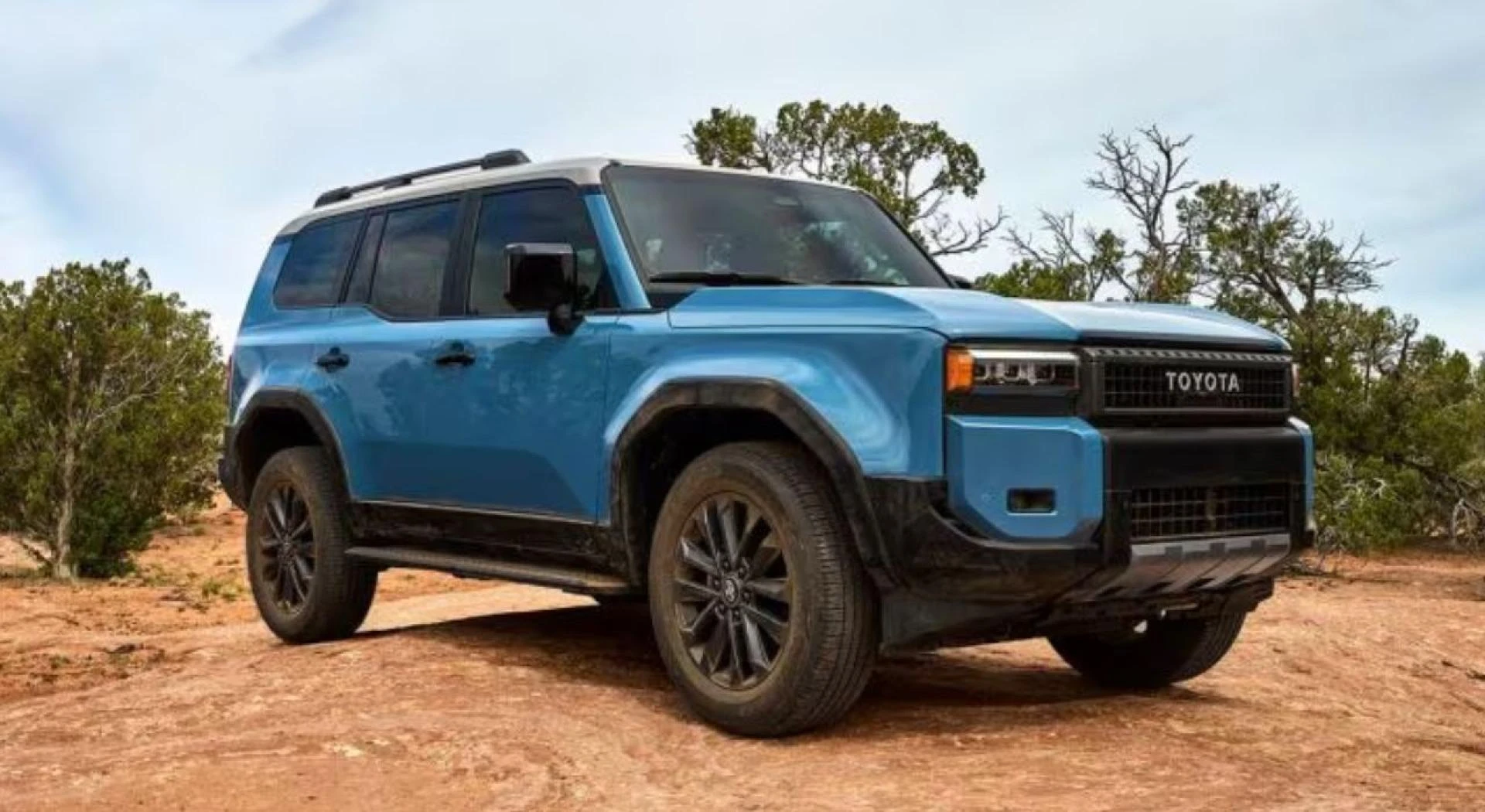
- Commonly used in SUVs such as Toyota Land Cruiser, Lexus LX, GMC Yukon, and Mercedes-Benz G-Wagon.
- Ideal for corporate executives, diplomats, celebrities, and high-net-worth individuals.
- Balances high security with comfort and drivability.
Best For:
- Travel in urban environments
- Corporate fleets
- Private protection where the threat level is medium to high
B7 Armoring – Maximum Civilian Ballistic Protection
B7 is the highest level of civilian armoring available.
Features & Advantages:
- Stops 7.62×51mm AP (Armor Piercing) rounds.
- Offers protection against sniper rifles and advanced rifle threats.
- Typically requires thicker ballistic steel and multilayer glass, which increases weight.
- Used in vehicles for government convoys, embassies, and high-risk security operations.
- Provides a true military-grade shield in a civilian vehicle.
Best For:
- Operations in conflict-prone zones
- Diplomatic missions in unstable regions
- Clients requiring top-tier security without compromise
B6 vs B7 Armoring: Key Differences
Protection Level
- B6 Armoring: Assault rifles (AK-47, M16, AR-15)
- B7 Armoring: Armor-piercing rifle rounds
Civilian Legality
- B6 Armoring: Widely permitted worldwide
- B7 Armoring: Restricted in some regions
Vehicle Types
- B6 Armoring: SUVs, luxury cars, vans
- B7 Armoring: SUVs, heavy-duty SUVs, armored trucks
Weight Impact
- B6 Armoring: Moderate (vehicle remains agile)
- B7 Armoring: Heavy (affects speed & fuel)
Cost
- B6 Armoring: Lower (more affordable)
- B7 Armoring: Higher (premium pricing)
Best Use
- B6 Armoring: Executive protection, urban travel
- B7 Armoring: High-risk zones, government fleets
Which Should You Choose: B6 or B7?
- If you are a corporate client, VIP, or diplomat in urban areas, B6 offers excellent security, comfort, and cost efficiency.
- If you are facing extreme threats or working in unstable regions, B7 is the safest choice, despite its cost and added weight.
At Zida Security, we guide every client through a needs-based assessment to match the right level of armoring with your threat profile, budget, and vehicle type.
Conclusion
Both B6 and B7 armoring provide exceptional protection — the choice depends on your security needs, environment, and risk exposure. Zida’s engineering expertise ensures that whether you choose B6 or B7, you get a vehicle that combines maximum safety, discreet design, and luxury comfort.





















Sign in to leave a comment.