
The automotive service industry doesn't like being disrupted. It's an old, relationship-driven business where customer loyalty runs deep and change happens slowly. But something has shifted in the last three years, and I think a lot of independent garage owners are underestimating how structural that shift is.
Mobile car servicing — the model where a qualified mechanic comes to the vehicle rather than the vehicle coming to a workshop — went from being a niche convenience service to a genuinely competitive alternative for a large slice of routine vehicle maintenance. The growth numbers are serious. On-demand and mobile repair services are among the fastest-growing segments in a global automotive services market now valued at $781 billion. OEMs — the actual vehicle manufacturers — are testing door-to-door maintenance programmes. That's not a trend. That's an industry realignment.
Why Now
A few things converged at the same time. Post-pandemic working patterns made people much more aware of the value of their time at home. Hybrid and remote work means more people are physically present in locations where a mobile mechanic can easily reach them. The growth of app-based booking platforms made it possible to schedule, confirm, and pay for mobile servicing with the same friction as ordering a takeaway.
Connected vehicles added another layer. Modern cars monitor their own condition continuously. Brake wear, battery health, engine performance, oil degradation — sensors are tracking all of it. Drivers now often receive alerts about service needs from an app before they'd notice anything themselves. That creates a natural demand for a servicing model that can respond quickly to a specific, diagnosed issue — rather than requiring the driver to book a general service slot two weeks out and drop the car off for a day.
What Garages Are Actually Good At — And What They're Not
I want to be fair here because the 'mobile will eat traditional' narrative oversimplifies things. Independent garages still hold about 70% of the global automotive services market by presence and there are real, structural reasons for that.
MOTs. Major engine work. Suspension jobs requiring a full lift. High-voltage EV battery servicing. Complex ADAS calibration after bodywork. These are genuinely workshop-dependent tasks, and no amount of clever van-mounted tooling changes that. Garages will continue to own this category.
The vulnerability is in routine maintenance. Oil changes, filter replacements, brake pad swaps, battery replacements, diagnostic checks — these tasks constitute the majority of what most cars need in a typical year, and none of them structurally require a fixed workshop. That's the territory mobile car servicing is taking. And once a customer tries mobile for an oil change and finds the experience better in nearly every practical dimension, their motivation to return to a traditional garage for similar jobs is significantly reduced.
The EV Question
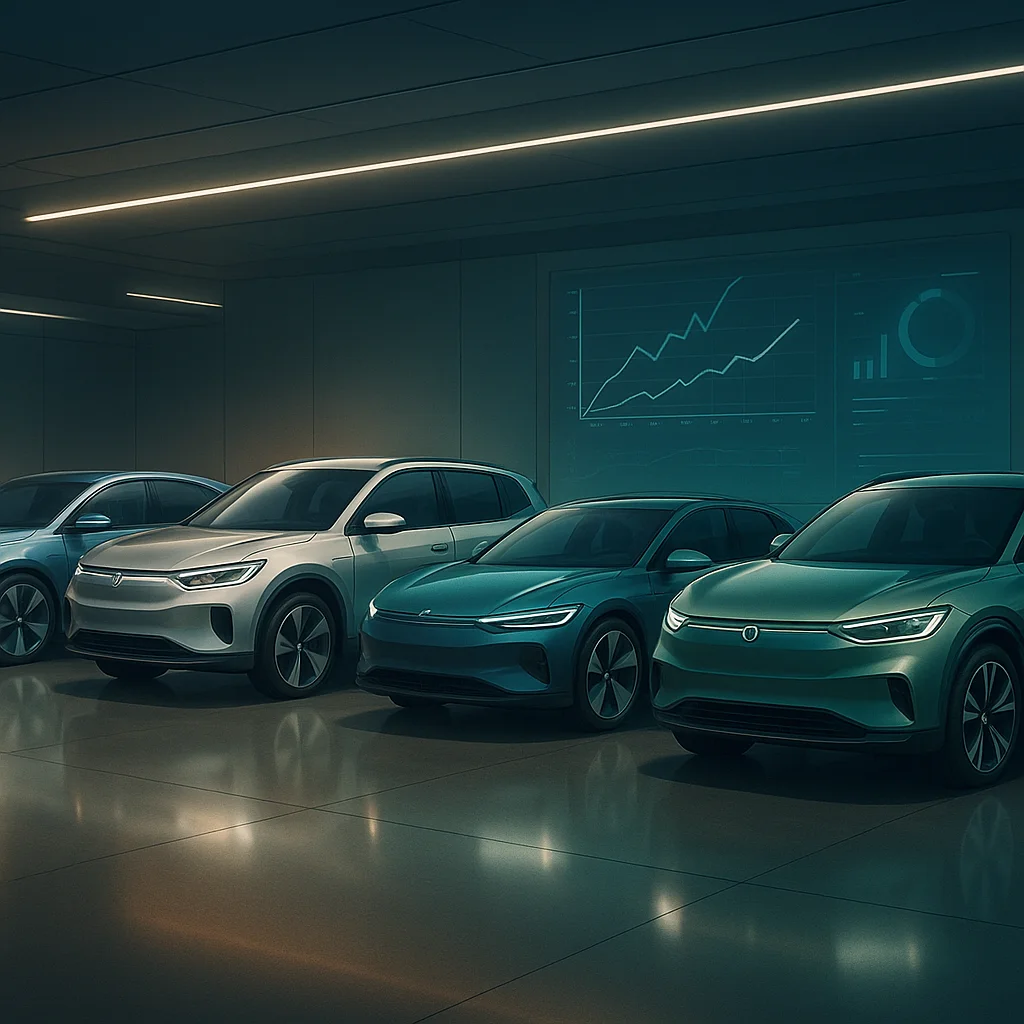
The electric vehicle transition is both the biggest threat and the biggest opportunity for mobile servicing. EVs eliminate engine oil changes, fuel system maintenance, exhaust servicing — a chunk of traditional garage revenue that disappears as the fleet electrifies. Mobile operators who haven't invested in EV diagnostic capabilities are in a genuinely precarious position.
But EV maintenance is not zero — it's different. Battery health monitoring, thermal management systems, 12-volt systems, tyre servicing (EVs wear tyres faster due to weight and instant torque), brake maintenance, general diagnostics. A significant proportion of EV maintenance is technically suited to mobile delivery, and mobile operators who invest in the right training and equipment are well positioned to capture it as the EV share of the vehicle parc grows.
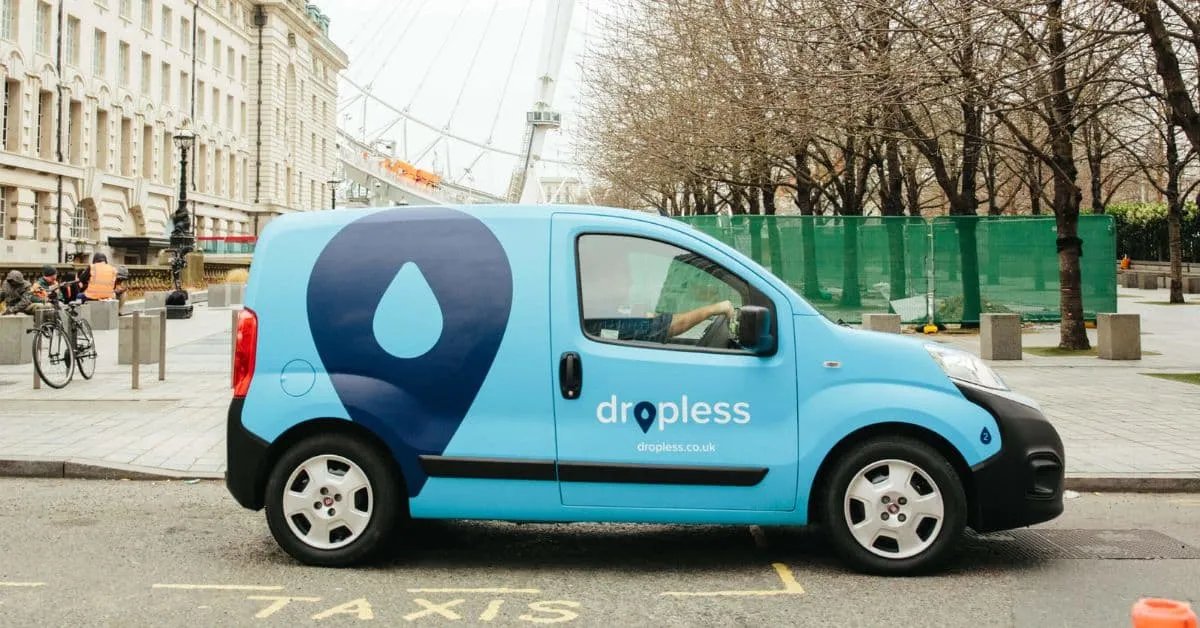
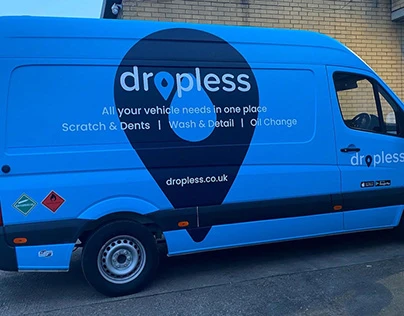
Dropless, for example, is building EV capability alongside its core mobile car servicing offer — which is the right move. The operators who wait for EV penetration to hit a threshold before training their mechanics will spend that entire growth period watching customers go elsewhere.
The Bottom Line for Garage Owners — And Customers
For garage owners: the routine maintenance category is at genuine risk from mobile, and the appropriate response is not denial. It's either investing in the customer experience and scheduling convenience that makes the traditional model worthwhile, or finding the specialist niches — EV, complex diagnostics, MOT, bodywork — where mobile simply can't compete.
For drivers: mobile car servicing has crossed the threshold from 'interesting experiment' to 'genuinely practical alternative' for the majority of routine maintenance needs. The pricing is competitive. The qualified mechanics exist. The convenience advantage is real. If you haven't tried it for a routine service, you're probably still living with a friction point that doesn't need to be there.




























Sign in to leave a comment.